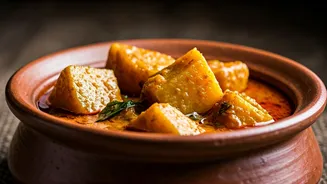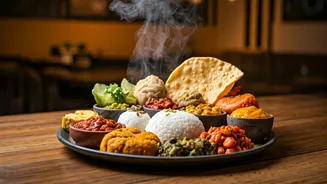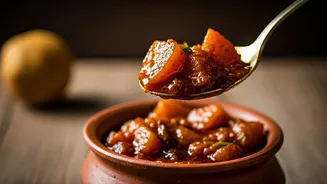


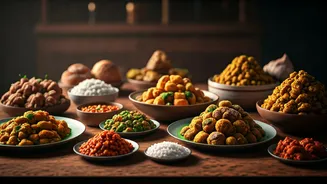



So, What Is Ou Khatta?
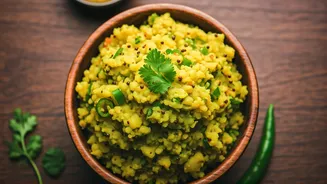
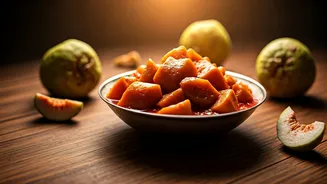
At its heart, Ou Khatta (pronounced oh-oo kha-tta) is a classic Assamese tangy curry or chutney. The name itself is a simple descriptor: 'Ou' is the Assamese word for the elephant apple, and 'Khatta' means sour. It’s a staple in Assamese households, often
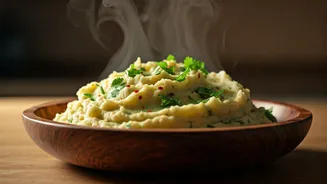
served as the final course in a traditional meal to cleanse the palate and aid digestion. The dish strikes a beautiful balance between sweet, sour, and savory notes, typically prepared with jaggery (unrefined cane sugar), mustard seeds, and a few simple spices. The texture is just as important as the taste; the cooked elephant apple becomes tender but doesn't dissolve, retaining a pleasant, slightly fibrous bite that makes the dish uniquely satisfying.
The Star: The Elephant Apple
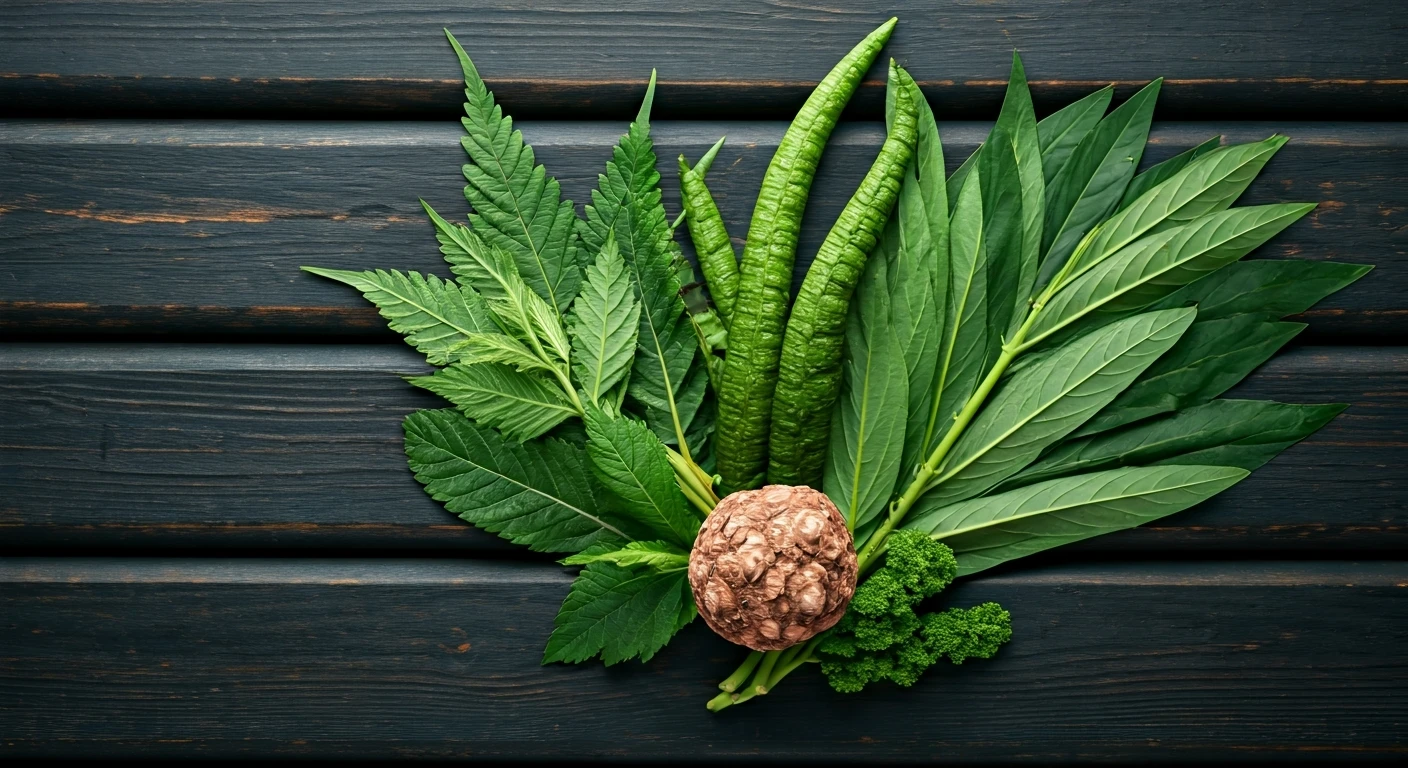
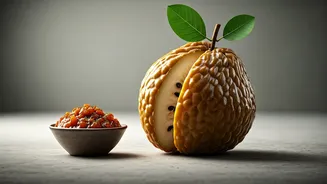
The main attraction here is the 'ou,' or elephant apple (Dillenia indica). This isn't an apple, and its connection to elephants is that they, along with other wildlife, enjoy eating the fallen fruit. Native to Southeast Asia, this large, greenish-yellow fruit looks like a cross between a green coconut and a giant, tightly-packed flower bud. Its flavor is its defining characteristic: bracingly sour and astringent, similar to an unripe green mango or tamarind, but with its own distinct floral notes. To prepare it, the tough outer layers are peeled away to reveal fleshy, layered petals. These petals are the edible part and form the base of Ou Khatta. This isn't a fruit you'd casually slice up and eat raw; its magic is unlocked through cooking, which mellows its intense sourness into a complex tang.
A Cornerstone of Assamese Cuisine
In Assam, a state in Northeast India known for its lush tea gardens and rich biodiversity, food is deeply connected to nature and season. Ou Khatta is a perfect example. Elephant apples are typically harvested in the post-monsoon and winter months, making the dish a seasonal delicacy. It represents a core principle of Assamese cooking: using fresh, local ingredients to create simple yet flavorful dishes that are balanced and nourishing. Unlike many other Indian cuisines known for heavy creams or intense spice blends, Assamese food often emphasizes tangy (khatta) and alkaline (khar) flavor profiles. Ou Khatta fits perfectly into this culinary philosophy, acting as a bright, acidic counterpoint to richer fish or meat curries served in the same meal.
Why Is It Viral Now?
So why is a humble, regional dish suddenly popping up on Instagram reels and YouTube shorts? The answer lies in a perfect storm of modern food trends. First, there's the visual intrigue. The elephant apple itself is bizarre and photogenic, immediately sparking curiosity. Second, it taps into the global craving for authenticity and culinary discovery. Food lovers are increasingly looking beyond mainstream restaurant fare to explore hyper-regional, home-style cooking. Indian food bloggers and diaspora creators are leading the charge, using social media to showcase the incredible diversity of their country's cuisine. A dish like Ou Khatta, with its unique ingredient and deep cultural roots, is exactly the kind of content that resonates. It feels like a genuine discovery, a secret being shared from a grandmother's kitchen in Assam with the rest of the world.
Can You Find It in the U.S.?
Here’s the catch: finding fresh elephant apple in the United States is next to impossible. It's a highly regional, perishable fruit that doesn't travel well and isn't commercially cultivated on a large scale for export. However, don't let that stop you from trying to capture its essence. You can find dried elephant apple slices in some specialty South Asian grocery stores or online, which can be rehydrated and used in recipes. For a fresh alternative, home cooks often substitute very tart green mangoes, starfruit (carambola), or even rhubarb, often adding a splash of tamarind paste to replicate that specific sourness. While it won’t be exactly the same, it’s a way to participate in the flavor profile and understand what makes the dish so special.