



1. Tires: Your First Defense Against Hydroplaning
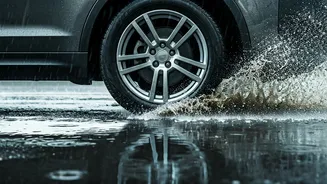
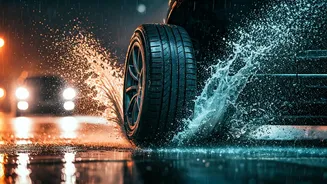
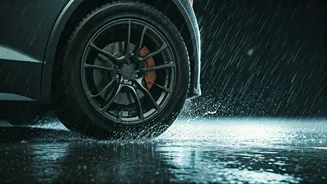
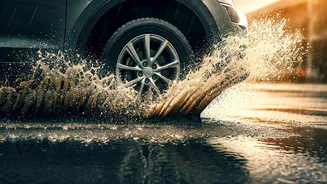
Your tires are the only part of your car that actually touches the road, and in a monsoon, their job is to cut through water, not glide over it. Hydroplaning—when a layer of water builds between your tires and the road surface, causing a total loss of steering
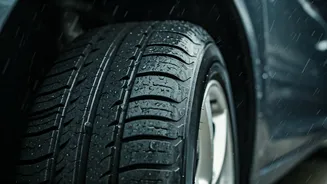
and braking control—is one of the biggest risks of wet-weather driving. The key to prevention is proper tread depth. A tire’s grooves are designed to channel water away. When they’re worn down, they can’t do their job effectively. You can quickly check your tread with the penny test. Insert a penny into your tire's tread with Lincoln's head upside down. If you can see all of his head, your treads are too shallow (below 2/32 of an inch) and the tires need to be replaced immediately. Also, check your tire pressure. Both under-inflated and over-inflated tires make poor contact with the road, reducing traction and increasing the risk of a blowout. Check the pressure when the tires are cold and inflate them to the manufacturer-recommended PSI, found on the sticker inside your driver's side doorjamb.
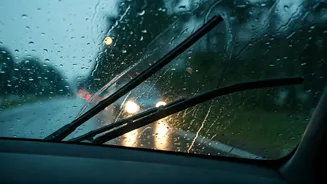
2. Wipers: The Unsung Heroes of Visibility
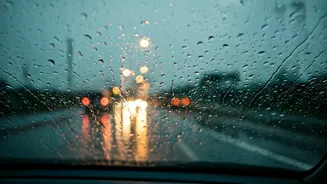
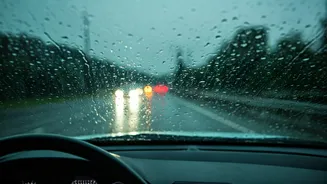
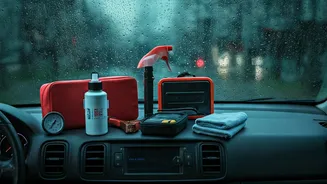
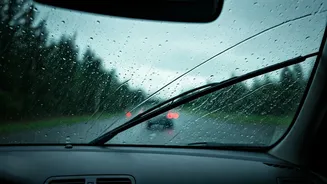
If you can’t see the road, you can’t drive safely. It’s that simple. Yet, windshield wipers are one of the most neglected components on a vehicle. The intense sun and dry heat of the pre-monsoon summer can bake the rubber, causing it to crack, stiffen, and lose its effectiveness. When the first heavy rain hits, you’ll be left with wipers that smear, squeak, or skip across the glass, dangerously obscuring your vision. Before the season starts, inspect your wiper blades for any signs of wear and tear. If they leave streaks or don't clear the windshield cleanly, replace them. It’s an inexpensive and easy fix that pays huge dividends in a downpour. While you’re at it, top off your windshield washer fluid. The dust and mud kicked up during a storm can quickly turn your windshield into an opaque mess, and you’ll need plenty of fluid to clear it.
3. Lights: See and Be Seen
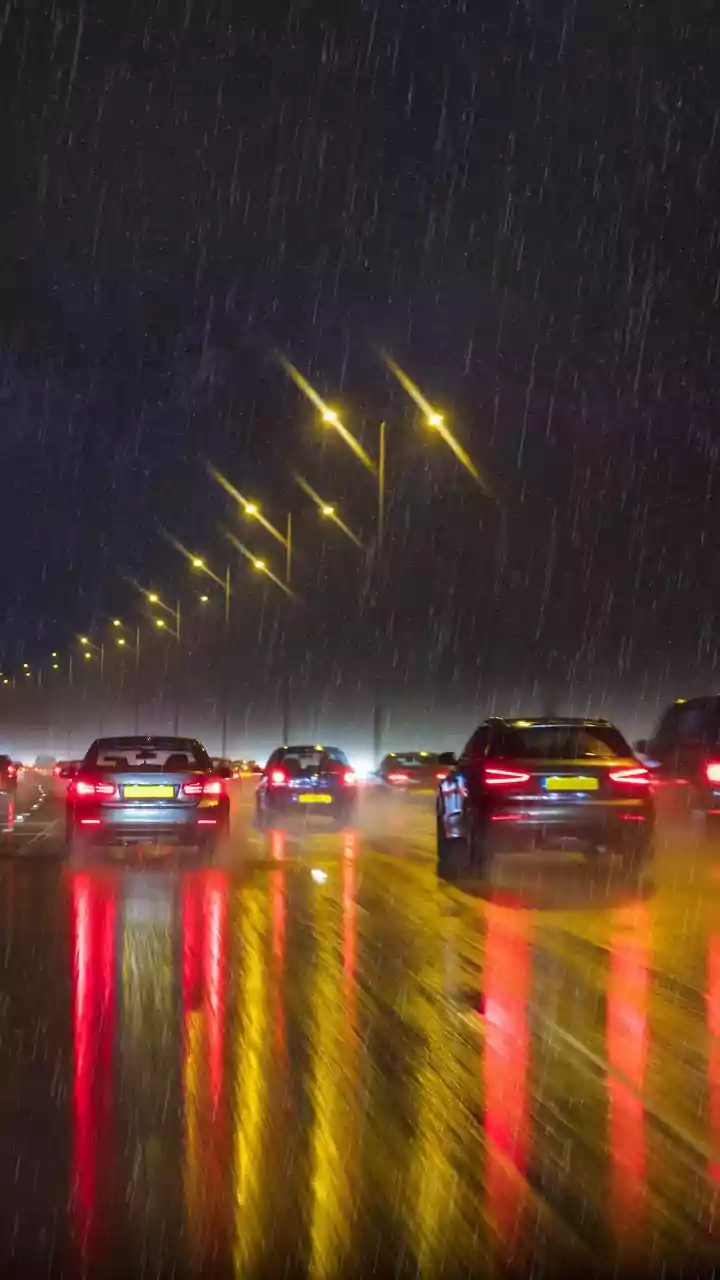
Monsoon storms dramatically reduce visibility, not just because of the rain but also due to the dark, overcast skies and the dust storms (haboobs) that often precede them. Functioning lights are critical for both seeing the road ahead and, just as importantly, being seen by other drivers. Take a moment to walk around your car and check that all your lights are working: headlights (both low and high beams), taillights, brake lights, and turn signals. Ask a friend to stand behind the car while you press the brake pedal to confirm your brake lights are functional. A burned-out bulb is a simple fix that prevents a potential rear-end collision in low-light conditions.
4. Brakes: Your Ultimate Stopping Power
Wet roads significantly increase your vehicle’s stopping distance. Even with good tires, it takes longer to come to a complete stop in the rain. This makes having a fully functional braking system absolutely non-negotiable. If you've been hearing any squealing, grinding, or feeling a pulsation in the pedal, get your brakes inspected by a professional before the storms arrive. These are classic signs that your brake pads or rotors are worn. A mechanic can check the thickness of your pads and the condition of your brake fluid. Healthy brakes give you the confidence you need to navigate slick intersections and react to sudden stops from traffic ahead.
5. Defroster and A/C: Clearing Interior Fog
When you get into your car during a humid rainstorm, the inside of your windshield can fog up almost instantly. This happens when the warm, moist air inside the car meets the cooler glass. It’s incredibly dangerous, but your car has a built-in solution: your air conditioning system. The A/C acts as a dehumidifier, pulling moisture out of the cabin air. To quickly clear a foggy windshield, turn on your defroster and your A/C at the same time, and direct the vents toward the glass. Before the season starts, run your A/C to ensure it's blowing cold. If it’s not, you may have a leak or need a recharge, and it’s a fix worth making for both comfort and safety.