




The Island That Breathes
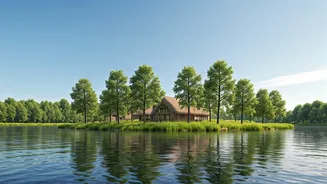
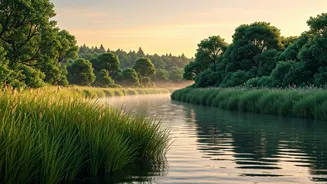
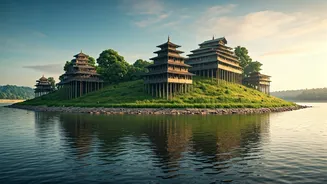
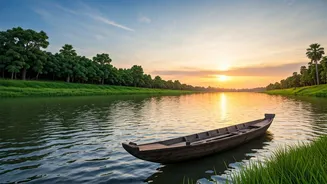
While the headline calls it a “floating” island, Majuli doesn’t actually float. It’s something even more remarkable: the world’s largest river island, a sprawling, emerald-green landmass cradled by the mighty Brahmaputra River in India’s northeastern
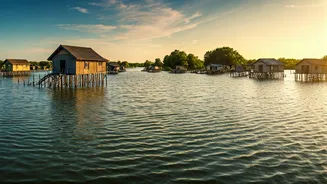
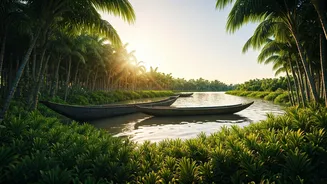
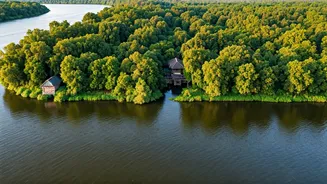
state of Assam. Its existence is a constant dance with the water that surrounds it. During the monsoon season, the river swells, inundating low-lying areas and reshaping the shoreline. In the dry winter, the waters retreat, leaving behind fertile soil perfect for rice cultivation. This cyclical rhythm of flood and renewal dictates every aspect of life, from the architecture—many homes are built on stilts—to the resilient, unhurried spirit of its people. But this fragile ecosystem is under threat. Decades of aggressive erosion have shrunk the island significantly, lending a poignant urgency to any visit.
The Soul of Neo-Vaishnavism
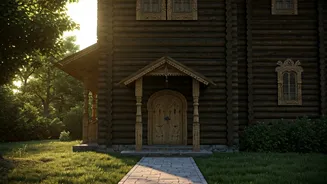
To understand Majuli is to understand its spiritual core. For over 500 years, the island has been the global center of Neo-Vaishnavism, a monotheistic stream of Hinduism established by the 15th-century saint and social reformer Srimanta Sankardev. He founded a network of unique institutions called *satras*—part monastery, part cultural center, part university. These are not silent, cloistered spaces. They are vibrant hubs where celibate monks, known as *bhakats*, dedicate their lives to worship through performance. Here, faith isn't just a matter of quiet prayer; it's expressed through music (*borgeet*), dance, and drama (*bhaona*), preserving traditions that have been passed down through generations. Visiting a satra feels like stepping into a living museum where devotion is an art form practiced daily.
Where Masks Tell Ancient Stories
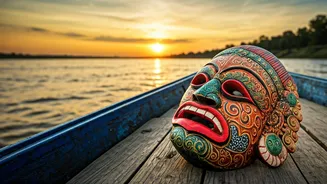
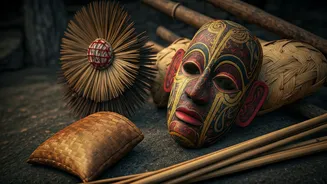
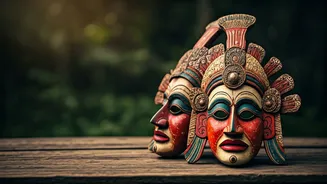
The island’s most captivating art form is its mask-making. At satras like Samaguri, master craftsmen create breathtaking masks from bamboo, cloth, clay, and cow dung. These aren’t mere decorations; they are sacred objects used to bring gods, demons, and animals to life during religious plays. The masks range from small, face-covering pieces to enormous, full-body creations that require multiple people to operate. Watching a performance of the *Raas Leela*, a festival celebrating Lord Krishna’s life, is an otherworldly experience. Dancers donning these expressive, hand-painted masks move with practiced grace, transforming the monastery courtyard into a divine stage. This tradition connects the community to its mythology in a deeply visceral way, making ancient stories feel immediate and alive.
The Rhythm of Village Life
Beyond the satras, life in Majuli unfolds at a gentle, agrarian pace. The island is predominantly inhabited by the Mishing tribe, an indigenous community with its own distinct culture. Their villages are collections of bamboo stilt houses, designed to withstand the annual floods. As you cycle along the island’s quiet dirt roads—the best way to explore—you’ll see women weaving intricate patterns on handlooms, fishermen casting their nets in wetlands teeming with birdlife, and farmers tending to their fields. The air is clean, filled with the sounds of nature rather than traffic. There’s a profound sense of community and self-sufficiency here. It's a reminder of a simpler, more sustainable way of living, deeply connected to the land and its seasons.