






More Than Just a Drink
In many South Asian, or Desi, households, tea isn't just a beverage; it's the rhythm of the day. It’s the first thing you smell in the morning, the punctuation mark to a long afternoon, and the mandatory offering for any guest who walks through the door.
The ritual of making chai—crushing cardamom pods, grating ginger, watching the milk and water boil into a perfect alchemy of color and spice—is a multi-sensory experience passed down through generations. It’s a constant, a comfort, a cultural anchor. The stainless-steel pot is a permanent fixture on the stove, and the fine-mesh strainer is never far away. After every cup is poured, what remains is a small, fragrant pile of spent tea leaves and spices. For years, this was just the byproduct of a beloved habit, destined for the trash can.
A Nod to Nana's Garden
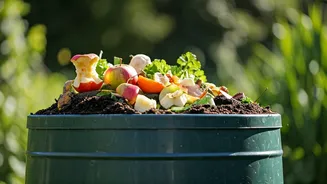
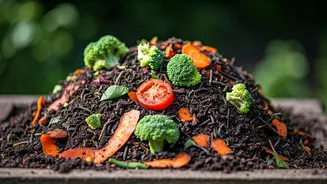
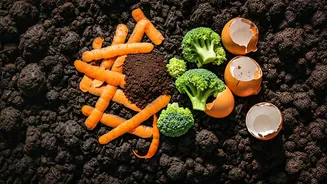
Then came composting. For many environmentally-conscious Americans, separating kitchen scraps for a backyard bin or a city collection program is a modern habit, a deliberate choice to reduce waste. But for many Desi-Americans, there’s an echo of something older in the practice. The act of saving organic matter feels familiar. It calls to mind grandmothers—Nanis and Dadis—who were masters of resourcefulness. They didn’t have a fancy bin with a carbon filter on the kitchen counter, but they instinctively knew not to waste. Eggshells were crushed and sprinkled around tomato plants. Vegetable water was saved to nourish potted flowers. And tea leaves? They were often unceremoniously tossed at the base of a rose bush or mixed into the soil of a small herb garden. It wasn't called 'composting'; it was just common sense, a way of returning to the earth what came from it. Seeing those dark, damp leaves in a modern compost pile feels like a direct link to that practical, ancestral wisdom.
Where Tradition Meets Soil Science
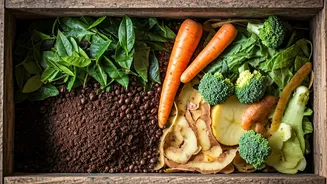
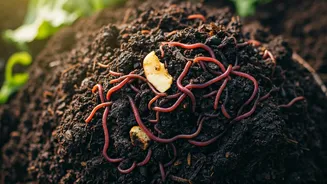
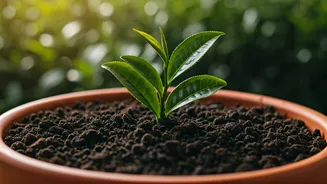
What our grandmothers knew intuitively, modern gardening science now confirms. Tea leaves are a fantastic addition to compost. They are rich in nitrogen, which is crucial for balancing the carbon-heavy 'browns' (like dried leaves and cardboard) in a compost pile. They also add organic matter that improves soil structure, helps retain water, and attracts beneficial microorganisms and earthworms. The tannic acid in tea can also create a more favorable environment for acid-loving plants like roses and ferns. It’s a satisfying realization: this small act, born of cultural habit and steeped in nostalgia, is also backed by horticultural best practices. The sentimentality is validated by science. It transforms the gesture from a simple waste-diversion tactic into a smart, soil-enriching tradition that has been practiced long before it had a trendy, eco-friendly name.
Compost as Cultural Connection
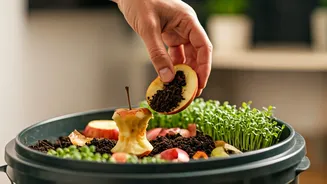
For second or third-generation immigrants, life is often a negotiation between two worlds. You navigate American professional life, social norms, and pop culture, while also carrying the food, language, and values of your heritage. Finding ways to merge these identities can be challenging. But sometimes, the connection appears in the most unexpected places. Composting tea leaves becomes more than an environmental chore; it becomes a bridge. It’s a way to participate in a contemporary American value system—sustainability—while simultaneously honoring a core piece of your Desi identity. Every time you empty the strainer into the compost bin, you’re not just feeding your garden; you’re feeding a connection to a lineage of chai-makers and resourceful gardeners. It’s a quiet, personal, and profoundly satisfying act of fusion culture.