



More Than Just a Hobby
For generations, the American experience has trended away from the agrarian and toward the urban. We live in apartments and townhomes, buy our produce from supermarkets, and often feel profoundly disconnected from the sources of our food. But this modern
convenience has come at a cost: a lost sense of groundedness. The urban gardening movement is a direct response to this feeling. It’s not just about growing a tomato; it's about nurturing a connection. It’s about the simple, profound satisfaction of watching a seed sprout, the mental health benefits of plunging your hands into soil, and the pride of eating something you grew yourself. This is the “green heritage” the headline speaks of—not necessarily a direct lineage of farmers, but a fundamental human link to the natural world that modern life has often severed.
Redefining the American Garden
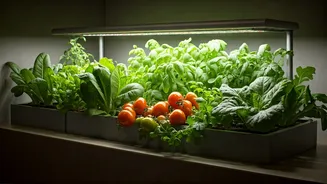
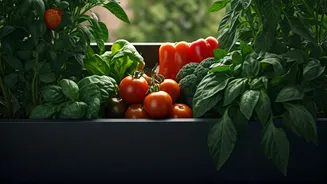
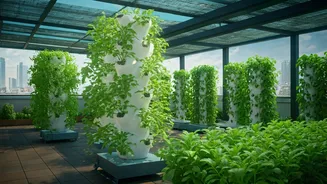
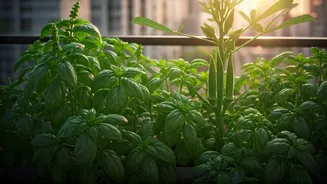
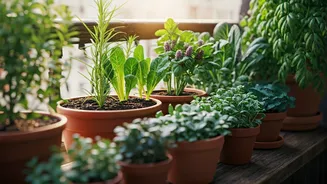
When you hear “gardening,” you might picture a sprawling suburban backyard with neat rows of vegetables. Urban gardening shatters that image. Today’s gardens are found in the most unexpected places. They are collections of pots on a fire escape, a fabric grow bag on a sun-drenched balcony, or a clever vertical planter system in a tiny studio apartment. Windowsills become herb gardens, providing fresh basil for pasta sauce. Community garden plots, once neglected corners of city parks, are now vibrant hubs where neighbors share tools, tips, and harvests. Rooftops are being transformed into lush oases that provide produce for entire buildings or local restaurants. This ingenuity proves that a lack of space is no longer a barrier; it's merely a creative constraint that inspires innovative solutions.
Your First Steps into the Soil
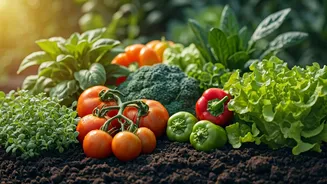
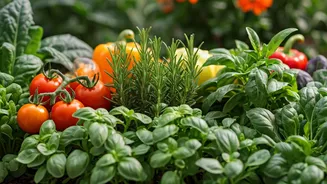
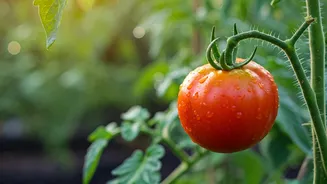
Getting started is less intimidating than it seems. The key is to start small and choose plants that offer a high rate of success. **1. Assess Your Light:** This is the most crucial step. Watch a spot for a day. Does it get 6+ hours of direct sun? You can grow sun-lovers like tomatoes, peppers, and basil. Less than 4 hours? Focus on shade-tolerant greens like lettuce, kale, spinach, or herbs like mint and parsley. **2. Choose Your Container:** Anything with drainage holes will work. A simple terra-cotta pot, a recycled bucket with holes drilled in the bottom, or a fabric grow bag are all great options. For beginners, a 5-gallon container is a versatile size for a single tomato plant or a mix of herbs. **3. Get Good Soil:** Don't just scoop dirt from a park. Buy a quality potting mix designed for containers. It's sterile, lightweight, and has the right balance of drainage and water retention your plants need to thrive. **4. Pick Easy-Win Plants:** Start with things that grow quickly and are relatively hardy. Radishes, bush beans, lettuce, and most herbs are fantastic for building confidence. Many nurseries also sell small starter plants, which lets you skip the delicate seedling stage.
Cultivating Community, Not Just Crops
While you can certainly garden in solitude, one of the most rewarding aspects of the urban gardening movement is its communal spirit. If you're feeling lost, there's an entire ecosystem of support. Look up your city’s community garden network; joining one provides you with a plot, shared resources, and a wealth of knowledge from fellow gardeners. Online forums and social media groups dedicated to container gardening or specific plant types are treasure troves of advice and encouragement. Local university extension programs often offer free workshops and resources tailored to your specific climate. By tapping into these networks, you're not just learning how to grow food—you're participating in a shared culture, trading seeds, celebrating successes, and troubleshooting failures together.