




Design That Defies Gravity
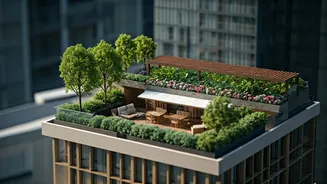
First, forget the idea of simply scattering a few pots. A high-end terrace garden is a bespoke outdoor room. The consultant's initial fee covers an intensive design process that treats your balcony or rooftop as a unique architectural space. This involves
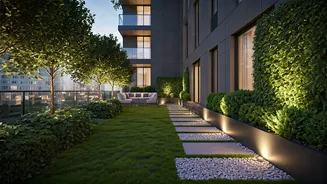
creating detailed 3D renderings, mood boards, and planting palettes that consider sun exposure, wind patterns, and your city's microclimate. They're not just picking pretty flowers; they’re selecting hardy, non-invasive species that can survive harsh rooftop conditions. This phase also includes planning for irrigation systems, custom lighting, and outdoor furniture layouts. You're paying for a landscape architect's vision, horticultural expertise, and an interior designer's spatial awareness, all rolled into one.
The Nightmare of Urban Logistics
On the ground, moving a bag of soil is simple. Twenty stories up, it's a military-grade operation. A huge portion of the 'execution fee' is pure logistics. Many residential buildings have strict rules for moving materials, often limiting work to specific hours and requiring service elevator bookings. For larger projects, getting soil, mature trees, and heavy planters to the terrace might require a crane rental, which can cost thousands of dollars per day and involve street permits. Consultants coordinate this entire ballet: booking elevators, scheduling deliveries, hiring specialized crews who know how to move heavy objects through finished interiors without causing damage, and handling all the associated insurance and liability. This logistical headache is a significant cost driver that clients often overlook.
Specialized Materials, Not Your Average Mulch
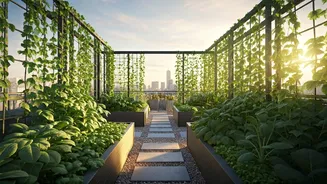
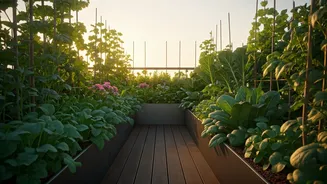
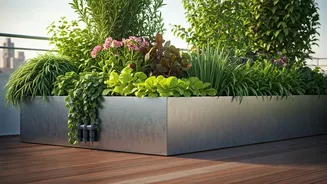
You can't use regular topsoil on a rooftop. It’s too heavy and can compromise the building's structural integrity. Terrace gardens require specially engineered lightweight soil mixes that provide necessary nutrients without the weight. Planters must be weather-resistant (think fiberglass or powder-coated aluminum, not terracotta which can crack in a freeze-thaw cycle), and often custom-fabricated to fit awkward dimensions or hide irrigation lines. Automated drip irrigation systems, essential for keeping plants alive in windy, sun-baked conditions, add another layer of cost and complexity. Even the plants themselves are more expensive; consultants source mature, healthy specimens from specialty nurseries to provide instant impact, rather than waiting years for seedlings to grow.
Navigating Red Tape and Structural Risk
Before a single plant is purchased, a good consultant addresses safety and compliance. They often need to work with a structural engineer to assess the terrace's load-bearing capacity, ensuring the final design won't cause catastrophic damage. This report alone can be a significant upfront cost. Then there's building management approval, which can be a bureaucratic maze of paperwork and presentations. The consultant handles all of it. They ensure the design complies with local building codes, fire regulations (especially for features like outdoor kitchens or lighting), and drainage requirements. This expertise protects you, the client, from liability and ensures the project is safe and sustainable. That peace of mind is a core part of the premium service.
The Post-Pandemic Outdoor Space Boom
The final piece of the puzzle is simple economics. Since 2020, the demand for private, functional outdoor space has skyrocketed. City dwellers who were once content with a nearby park now crave a personal sanctuary. This has created a massive surge in demand for the limited number of skilled consultants, landscape architects, and specialized crews who can execute these complex projects. With more clients vying for their time, top-tier firms can be more selective and charge premium rates for their services. The supply chain has also played a role, with lead times and costs for custom planters, outdoor furniture, and even specific plant varieties increasing significantly. The 'now' in the headline is largely about this confluence of high demand and strained supply.