





What Exactly Is Kokedama?
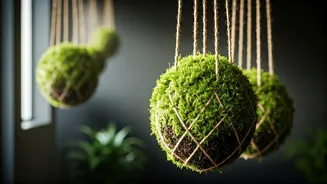
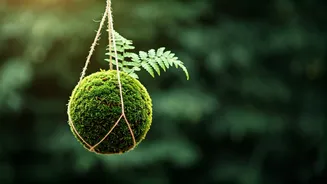
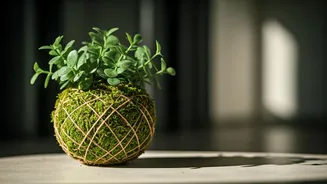
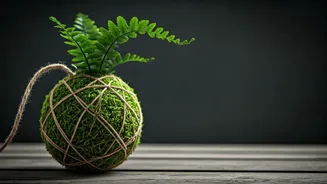
Kokedama, which translates to “moss ball” in Japanese, is a centuries-old garden art form. It’s a unique style of bonsai where a plant’s root system is wrapped in a mud and soil mixture, covered in moss, and bound with string. Unlike traditional potted
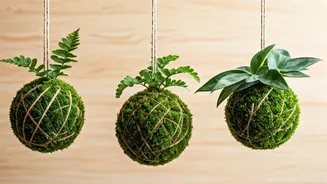
plants, kokedama are self-contained ecosystems that can be displayed on a decorative tray or, more dramatically, hung from the ceiling. This art form embraces the Japanese aesthetic of wabi-sabi, finding beauty in imperfection and nature's transient, earthy qualities. It strips away the container, leaving just the plant, its soil, and a simple, organic vessel.
The Appeal for Urban Dwellers
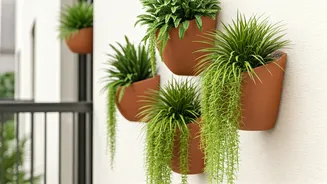
It’s no surprise that kokedama have captivated urban plant lovers. In cities where square footage is a precious commodity, a hanging garden is a brilliant space-saving solution. It allows residents to add greenery without sacrificing floor or shelf space, drawing the eye upward and creating vertical interest. Beyond its practicality, the process of making kokedama is a form of mindful craft. In a world of screens and digital distraction, the tactile experience of mixing soil, molding a ball, and wrapping it in moss offers a grounding, meditative activity. It’s a chance to get your hands dirty—literally—and connect with a small piece of nature.
Gather Your Materials
Ready to craft your own hanging garden? The good news is that the materials are relatively simple and can be found at most garden centers or online. You will need: * **A small plant:** Choose one that doesn't require massive root space. * **Peat moss and bonsai soil:** A common mixture is 7 parts peat moss to 3 parts bonsai soil (like akadama clay). * **Sheet moss or sphagnum moss:** This will form the outer layer. * **Twine or string:** Cotton or jute twine for wrapping, and a stronger string for hanging. * **A bowl of water and a spray bottle.** * **Gloves (optional):** Things are about to get muddy.
Step 1: Choose the Right Plant
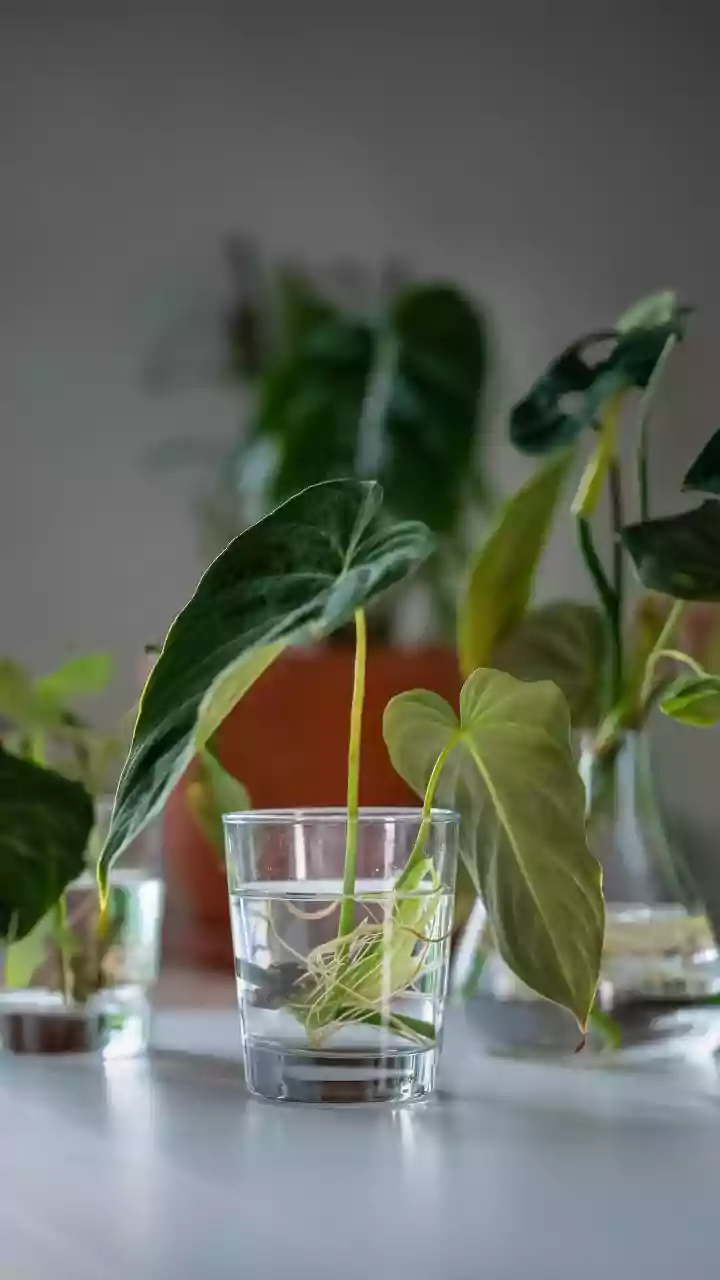
The success of your kokedama starts with the right plant. Look for species that are relatively low-maintenance and thrive in the conditions you can provide. Excellent choices for beginners include shade-tolerant and moisture-loving plants like pothos, spider plants, philodendrons, and many types of ferns (like bird's nest or maidenhair). Herbs such as mint or basil also work well, though they may require more light. Avoid succulents and cacti, as their roots dislike the constant moisture held by the moss ball.
Step 2: Prepare the Soil Ball
In a mixing bowl, combine your peat moss and bonsai soil. Slowly add water and mix with your hands until the soil has a clay-like consistency, damp enough to hold its shape when squeezed but not dripping wet. Once mixed, take your plant and gently remove it from its nursery pot, shaking off excess soil and carefully exposing the roots. Now, begin packing the damp soil mixture around the plant's root system, forming a firm, round ball about the size of a grapefruit or large orange. The key is to make it compact enough to hold together.
Step 3: Wrap It in Moss
Now for the defining feature. Take your sheets of moss and press them firmly onto the soil ball, covering it completely. You may need to use a few pieces to ensure there are no gaps. The moss helps retain moisture and gives the kokedama its classic, verdant appearance. As you press the moss on, it will begin to adhere to the damp soil ball. Don't worry about it being perfect; the string will secure everything in place.
Step 4: Secure with Twine
With the moss in place, take your twine and, holding one end against the ball, begin wrapping it around the sphere in all directions. Crisscross the string randomly but securely, as if you're wrapping a ball of yarn. This secures the moss and soil and adds a decorative, rustic touch. Once you feel the ball is secure, tie off the twine. If you plan to hang your kokedama, tie a longer piece of string to the wrapping twine to create a hanging loop.
Caring for Your Kokedama
Watering is the most important part of kokedama care. The easiest way to tell if it needs water is by weight—if it feels light, it's thirsty. To water it, submerge the entire moss ball in a bowl of room-temperature water for about 10-20 minutes, or until it stops releasing air bubbles. Then, gently squeeze out the excess water and let it drip for a moment before re-hanging. Most kokedama need watering once a week, but this can vary based on your home's humidity and the plant's needs. Mist the moss occasionally to keep it green and happy.