


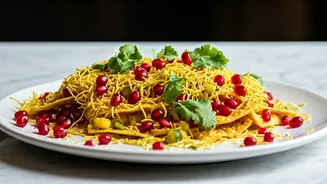
1. The Umami Revolution
The single biggest game-changer has been our collective embrace of umami—the savory 'fifth taste.' For years, comfort food got its satisfying depth from heavy creams, loads of cheese, and fatty meats. Today, we’re getting that same soul-deep flavor from smarter,
healthier sources. Think mushrooms seared until deeply browned and meaty, a spoonful of miso paste whisked into a soup or dressing to add instant complexity, or a sprinkle of nutritional yeast over pasta for a cheesy, nutty flavor without the dairy. These ingredients provide a rich, savory backbone that makes you forget you’re not eating something 'sinful.' A simple lentil soup, for example, goes from basic to profound with the addition of kombu (a type of seaweed) or a dash of tamari.
2. Global Flavors Are Now Pantry Staples
Your spice rack is the new frontier of flavor, and it’s where healthy food leaves 'boring' in the dust. American kitchens have finally caught on to what the rest of the world has known for centuries: spices and pastes are the ultimate low-calorie flavor bombs. A simple roasted chicken or batch of vegetables can be transformed with a rub of smoky harissa, a drizzle of spicy-funky gochujang, or a generous sprinkle of earthy za'atar. These ingredients don't just add heat; they add layers of complexity—sweet, sour, smoky, and fermented notes that make every bite interesting. Instead of relying on butter and salt, we're now reaching for tubes, jars, and spice blends that deliver a world of flavor and make healthy eating feel like a culinary adventure.
3. We Finally Hacked Texture
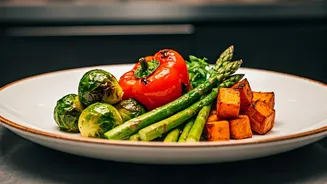
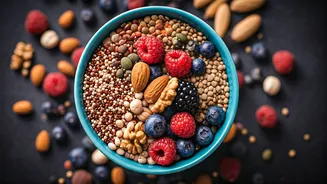
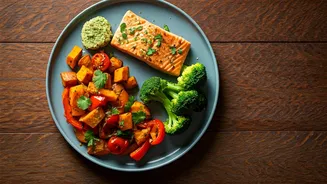
So much of what we love about classic comfort food comes down to texture—the crispy skin on fried chicken, the crunch of a potato chip, the char on a burger. For a long time, the 'healthy' versions of these were pale, soggy imitations. Not anymore. The rise of the air fryer has been a revelation, giving us that satisfying 'fried' crunch on everything from Brussels sprouts to tofu with a tiny fraction of the oil. Beyond gadgets, we’ve rediscovered the magic of high-heat roasting. Tossing broccoli, cauliflower, or sweet potatoes in a screaming-hot oven transforms them, creating crispy, caramelized edges and tender insides. We're also using nuts, seeds, and toasted breadcrumbs to add that crucial crunchy element, proving you don't need a deep fryer to achieve textural bliss.
4. Healthy Fats Are Back and Better Than Ever
The era of fearing fat is officially over. We’ve finally understood that the right kinds of fats are not only good for us but are essential for making food taste rich, luxurious, and satisfying. The low-fat craze of the '90s gave us rubbery cheese and bland snacks, but now we're enthusiastically drizzling extra virgin olive oil, mashing up avocados, and slathering on nut butters. These healthy fats provide a creamy mouthfeel and a sense of satiety that were missing from 'diet' food. A salad is no longer a punishment when it's tossed in a luscious tahini dressing. A piece of whole-grain toast becomes a decadent treat with a thick spread of avocado and a sprinkle of flaky salt. This shift has allowed comfort food to feel comforting again, providing the richness our brains are wired to crave.
5. Vegetables Are Finally the Main Event
Perhaps the most significant shift is in our mindset. Vegetables are no longer a forgotten, boiled side dish relegated to the edge of the plate; they are the stars of the show. Innovative chefs and home cooks are treating vegetables with the same respect and creativity once reserved for meat. We’re seeing thick slabs of cauliflower seared like a steak, bell peppers roasted and stuffed with flavorful grains, and beets spiralized into vibrant 'noodles.' By focusing on making the vegetables themselves unbelievably delicious, the need for a heavy, unhealthy centerpiece fades away. This isn't about hiding veggies; it's about celebrating them, unlocking their natural sweetness and texture, and putting them at the very center of what 'comfort food' can be.