






The New Travel Essential: Paperwork
For decades, American travelers enjoyed the privilege of visa-free access to much of the world. A valid U.S. passport was a golden ticket, enabling spontaneous trips to Paris or last-minute beach getaways to Brazil. That era of effortless globetrotting
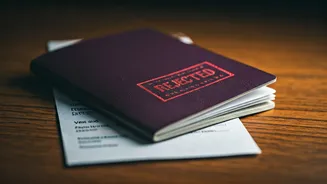
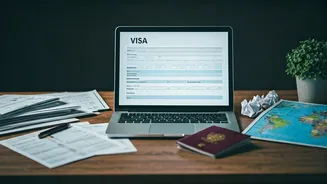
is rapidly changing. Today, a new, less exciting item has been added to the pre-travel checklist: paperwork. From new electronic travel authorizations to month-long waits for traditional visa appointments, navigating foreign entry requirements has become a critical and time-consuming part of planning any international holiday. Ignoring this step can turn a dream vacation into a costly cancellation.
Why Now? The Post-Pandemic Pile-Up
The shift isn't happening in a vacuum. The primary culprit is the massive, system-wide disruption caused by the pandemic. Consulates and embassies around the world shut down or operated with skeleton crews for nearly two years, creating enormous backlogs of visa applications. As travel roared back with unprecedented demand—often dubbed “revenge travel”—these already strained systems were completely overwhelmed. Compounding the issue are ongoing staffing shortages at diplomatic missions and a simple lack of capacity to process the sheer volume of requests. While you’re ready to travel again, the bureaucratic machinery that enables it is still catching up, resulting in appointment wait times that can stretch for months in some countries.
Europe's New Rules: Meet ETIAS
The most significant change on the horizon for U.S. travelers involves Europe. Starting in mid-2025, Americans will need to apply for an ETIAS (European Travel Information and Authorisation System) waiver to enter the 30 countries in the Schengen Area. While it’s not a formal visa—the application is done online and approval is expected to be quick for most—it is a mandatory new step. You’ll need to submit your application and pay a small fee before you fly. Forgetting to do so will mean being denied boarding. ETIAS is Europe's way of strengthening its border security by pre-screening visitors who do not need a full visa. It officially marks the end of simply showing up in Europe with nothing but your passport.
Beyond Europe: Other Hot Spots to Watch
The new complexities aren't limited to Europe. Around the globe, countries are re-evaluating their visa policies. Brazil, for instance, recently reinstated visa requirements for Americans after temporarily waiving them, causing confusion for travelers who had already booked trips. Other popular destinations have long been known for complex or lengthy visa processes that are now exacerbated by backlogs. Planning a trip to India, for example, has always required careful attention to visa paperwork, and those timelines are now less predictable. Even renewing a U.S. passport has become a lengthy ordeal, with routine processing times stretching for many weeks. The bottom line: assume nothing. Always verify the current entry requirements for your specific destination.
Your New Pre-Travel Checklist
To avoid disappointment, travelers need a new game plan. First, make visa research the very first step of your planning process—before you book flights or hotels. Check the official embassy or consulate website for your destination country, as well as the U.S. Department of State's travel advisories. Second, check your passport's expiration date. Many countries require it to be valid for at least six months *after* your planned departure date. If you need a new passport, apply for it immediately. Third, document everything. Take screenshots of confirmation pages and keep digital and physical copies of your applications. Finally, build buffer time into your schedule. If a website says processing takes four weeks, assume it will take six. In this new travel landscape, the most prepared traveler is the happiest traveler.