

Ladakh: The High-Altitude Kingdom Unveiled
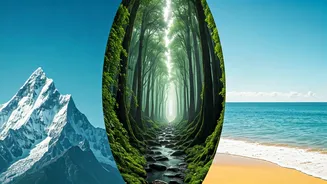
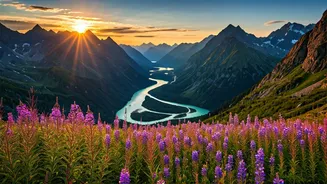
Imagine stepping into a real-life National Geographic spread. That's Ladakh in June. After a long, harsh winter, the snow-bound mountain passes to this high-altitude desert in the Himalayas finally open, revealing a landscape of surreal beauty. The skies
are a piercing blue, the air is crisp, and the barren, rust-colored mountains are punctuated by whitewashed monasteries clinging to cliffsides. June is the sweet spot: the weather is pleasant and sunny, but you’ve arrived before the main tourist rush of July and August. The absolute cultural highlight is the Hemis Festival, often held in June (the date shifts with the Tibetan lunar calendar, so always check). Hosted at the magnificent Hemis Monastery, this two-day spectacle celebrates the birth of Guru Padmasambhava, the founder of Tibetan Buddhism. Monks don elaborate silk costumes and fearsome, oversized masks to perform ritual dances, or 'chams,' in the monastery courtyard. The air fills with the sounds of long horns, rhythmic drums, and clashing cymbals. It’s not a performance for tourists; it’s a living, breathing spiritual tradition, and witnessing it is a powerful, once-in-a-lifetime experience.
Assam: Monsoon Mystique and Spiritual Fervor
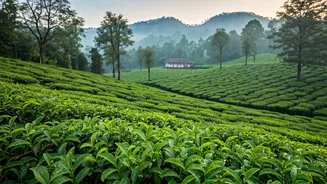
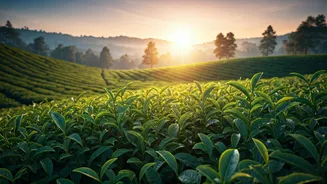
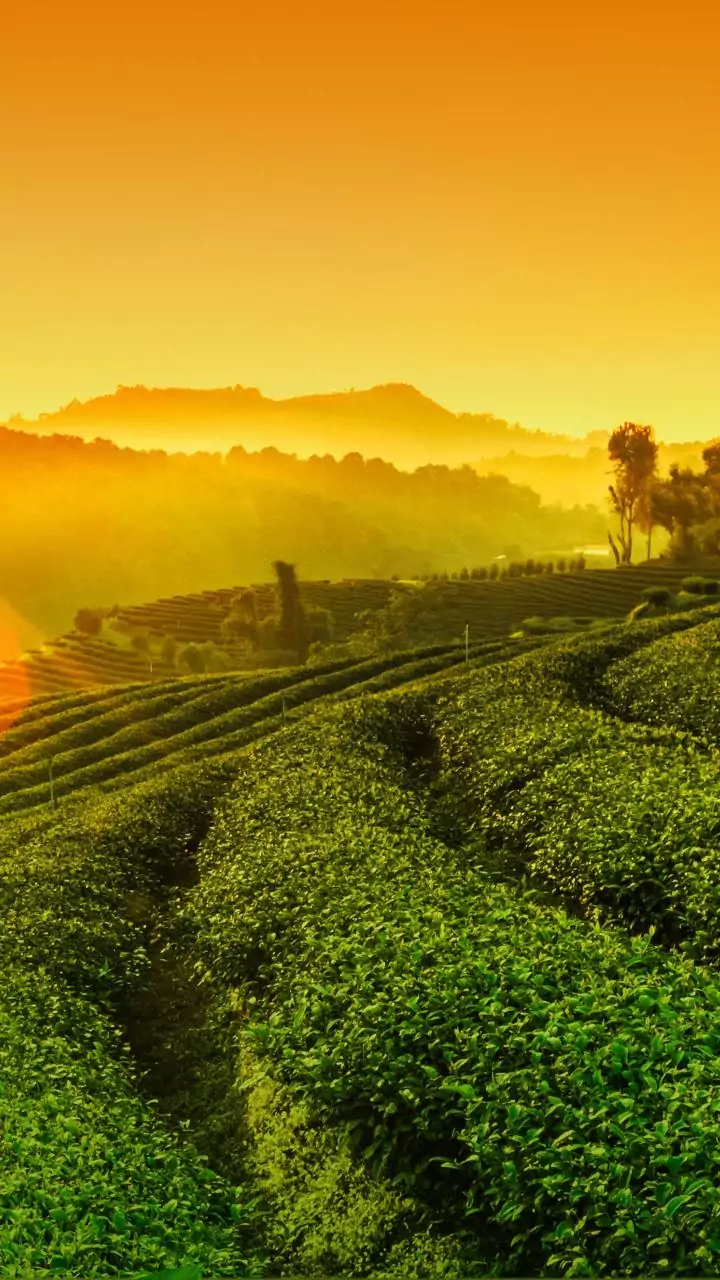
While much of India braces for the monsoon, the northeastern state of Assam embraces it. June sees the arrival of the first rains, which wash the dust from the air and turn the state's rolling hills and vast tea plantations into a sea of emerald green. The scent of wet earth and fresh tea leaves is everywhere. This is the perfect time to experience the tranquil life of a tea estate, staying in a colonial-era bungalow and learning about the journey from leaf to cup. But the true cultural magnet of June is the Ambubachi Mela in Guwahati. This is one of India's most significant and unique spiritual gatherings, held at the Kamakhya Temple, a major center for Tantrism. The festival celebrates the earth's fertility, personified by the goddess Kamakhya, and draws thousands of holy men (sadhus) and devotees from across the country. It’s an intense, esoteric, and profoundly authentic display of faith that is worlds away from a typical tourist itinerary. For travelers interested in the deeper, more complex currents of Indian spirituality, being in Assam during Ambubachi is an unforgettable immersion.
Goa: A Rain-Soaked Celebration of Life
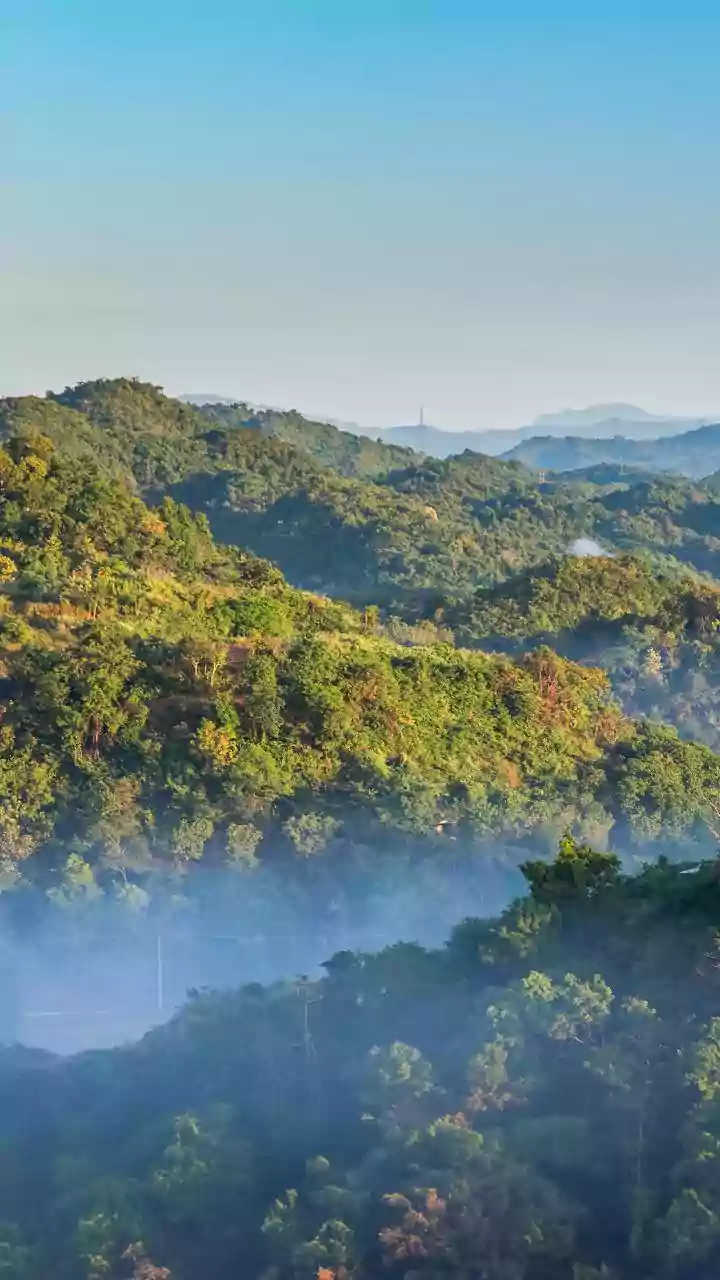
If your only image of Goa involves crowded beaches and New Year's Eve parties, you're missing the best part. June marks the arrival of the monsoon, and it completely transforms India's smallest state. The tourist crowds vanish, prices drop, and the landscape erupts in a riot of green. The vibe is slow, peaceful, and romantic. It’s a time for reading books in a quiet beach shack while listening to the rain, zipping a scooter down empty roads flanked by lush paddy fields, and savoring the fiery local fish curry. The culture comes alive, too, with the uniquely Goan festival of São João on June 24th. Celebrating the feast of St. John the Baptist, locals don crowns of flowers and leaves (called 'kopels'), sing traditional songs, and, most famously, jump into overflowing wells, streams, and pools to reenact the joy of the saint's leap in his mother's womb. It’s a joyful, slightly wild, and community-driven celebration that feels utterly distinct from anything else in India. It's a chance to see Goa not as a party destination, but as a place with a rich, vibrant, and deeply-rooted culture all its own.