
The Old Guard of 'Food Porn'
Not long ago, the formula for a viral food post was simple: more is more. The undisputed stars were dishes engineered for maximum visual impact and gluttonous appeal. Think of the 'freakshake,' a milkshake battling for survival under an avalanche of cake,
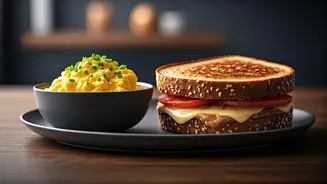
candy, and whipped cream. Or the six-patty burger, barely contained by its bun, oozing cheese and sauce. The pinnacle was, of course, the cheese pull—that glorious, stringy stretch of mozzarella from a slice of pizza or a grilled cheese, captured in slow motion. This was the era of 'food porn,' a genre defined by spectacle over substance. The goal wasn't necessarily to communicate deliciousness in a nuanced way, but to provoke a visceral, almost cartoonish reaction of 'I want that.' It was loud, proud, and unapologetically heavy.
The Wellness and Color Pivot
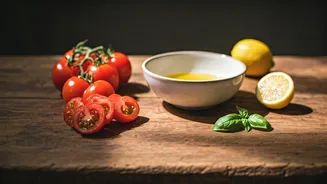
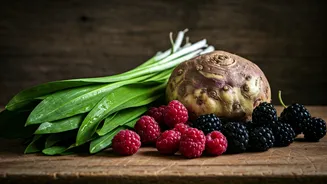
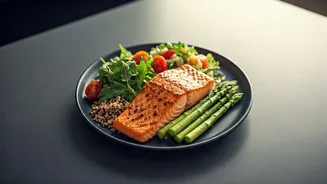
The first major shift came with the rise of the wellness movement. As clean eating and mindful consumption entered the mainstream, so did a new food aesthetic. Suddenly, the most coveted plates weren't brown and beige, but a riot of natural color. The new heroes were rainbow salads packed with jewel-toned vegetables, vibrant smoothie bowls artfully topped with seeds and fruit, and avocado toast sprinkled with bright red pepper flakes. This wasn't just about looking healthy; it was about telegraphing vitality. The colors came from whole foods—deep purple from beets, bright orange from turmeric, rich green from kale and matcha. This aesthetic aligned with a cultural desire for food that not only looked good but also felt good to eat. The new 'flex' wasn't how much you could eat, but how fresh, natural, and nutrient-dense your meal appeared.
Sophistication, Texture, and Negative Space
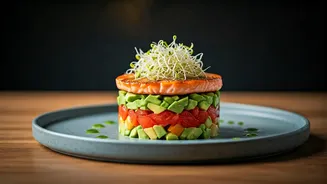
As our collective palate for food photography matured, a fine-dining sensibility began to trickle down into everyday posts. Chefs on Instagram started showcasing not just decadence, but artistry. This brought a new focus on elements that were previously overlooked: texture and composition. A perfectly seared scallop with a crispy edge, the glossy sheen on a delicate sauce, or the crumbly texture of a rustic loaf of bread became the new visual hooks. Plating became more intentional. Instead of filling every inch of the frame, cooks began using negative space to make a single, beautiful ingredient the hero of the shot. It’s a quieter, more confident aesthetic. It suggests that the food is so good, it doesn’t need to scream for your attention. It’s the difference between a blockbuster action movie and a critically acclaimed indie film—both are compelling, but one relies on subtlety and craft.
Embracing the 'Ugly Delicious'
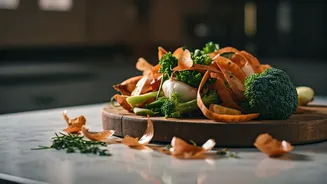
In a direct rebellion against the hyper-curated perfection of early Instagram, a counter-movement emerged: the celebration of 'ugly delicious' food. Championed by chefs like David Chang, this philosophy argues that some of the best-tasting food in the world—stews, curries, braises—is inherently not 'pretty' in the conventional sense. Instead of hiding it, people began to photograph it with a newfound honesty. A messy plate of pasta, a rustic stew in a clay pot, or a half-eaten slice of cake became symbols of authenticity. This trend dovetails with a broader desire for storytelling. A photo is no longer just of the final dish, but of the story behind it: the farmer who grew the carrots, the messy process of kneading dough, the friends gathered around the table. The focus shifted from a perfect, static image to a more holistic and relatable experience.
The TikTok Effect: From Photo to Video
The rise of TikTok and Instagram Reels added another layer, fundamentally changing what 'camera-friendly' means. It’s no longer just about a single, perfect photograph. Now, it’s about the process, the sounds, and the transformation. Video allows for the ASMR-like crunch of biting into fried chicken, the sizzle of garlic hitting a hot pan, and the mesmerizing swirl of creamer into coffee. Viral food content on video platforms is often less about beautiful plating and more about a satisfying or surprising process. Think of the viral feta pasta bake: the visual appeal was in watching a block of feta and tomatoes melt into a creamy sauce. This format favors action and sound over static beauty, showing that the most engaging food content today is a full sensory experience, not just a pretty picture.