




The New Himalayan High
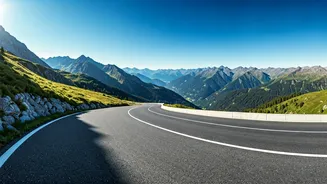
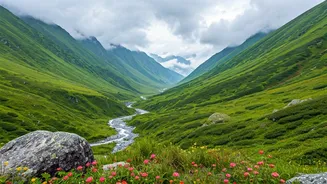
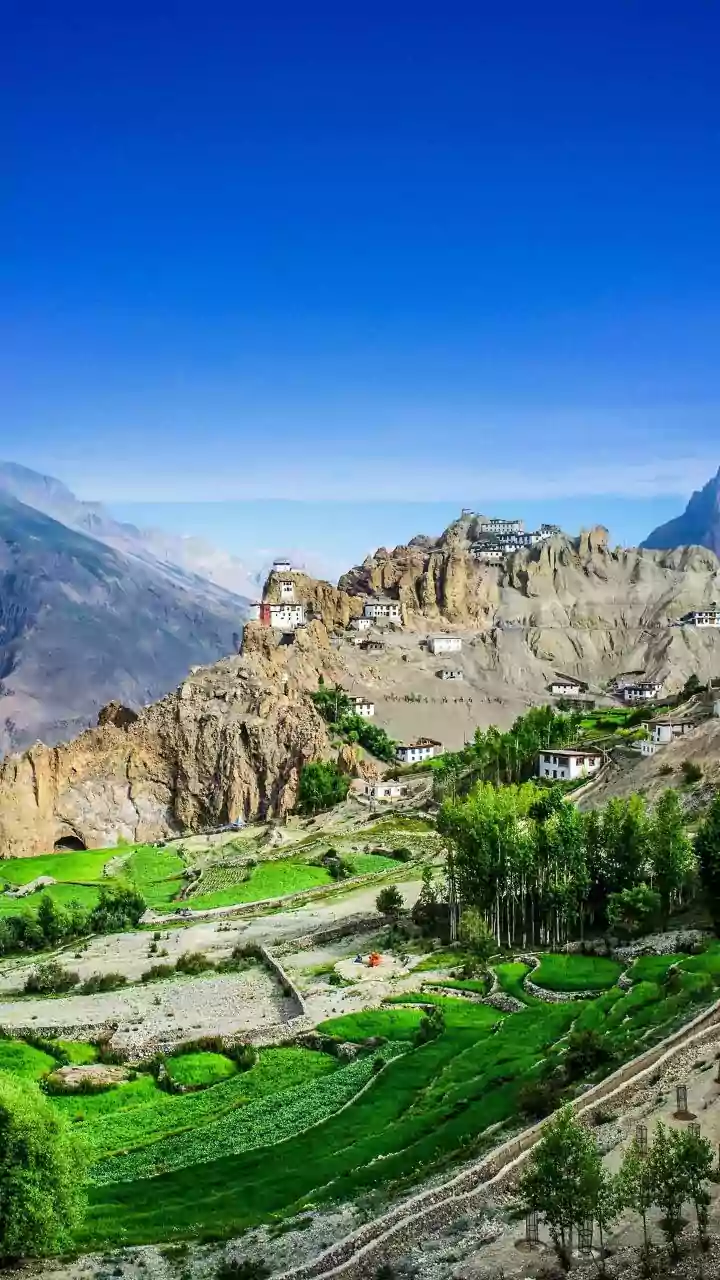
Picture a winding road in the Himalayan foothills, a place like Landour or a quieter corner of Manali. For decades, these were destinations for travelers seeking rustic simplicity—basic guesthouses, stunning views, and little else. The main social hubs
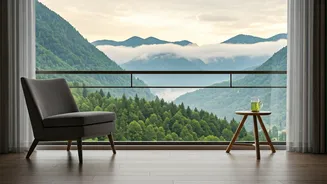
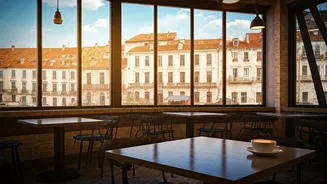
were humble stalls serving steaming glasses of sweet, milky chai. Today, that same traveler is just as likely to find a meticulously designed cafe with floor-to-ceiling windows, reclaimed wood furniture, and a high-end Italian espresso machine. On the menu: avocado toast, smoothie bowls, and single-origin coffee sourced from a nearby estate. The Wi-Fi is fast, the playlist is curated, and the crowd is a mix of digital nomads, writers on retreat, and young urbanites escaping the city. This isn't just a coffee shop; it's the new town square.
More Than Just a Cup of Coffee
The headline claim that cafes are “saving” these getaways isn’t hyperbole if you redefine what “saving” means. It’s less about preservation and more about economic and cultural resuscitation. These establishments are doing far more than serving lattes; they are creating ecosystems. They function as de facto co-working spaces, allowing a new class of remote workers to extend their stays from a weekend to a month, injecting a steady stream of revenue into the local economy. They host open-mic nights, farmers' markets, and yoga workshops, creating a cultural scene where none existed. By providing a clean, safe, and aesthetically pleasing hub, they give a new generation of travelers—both Indian and international—a compelling reason to visit and linger in places they might have otherwise skipped.
The Entrepreneurs Behind the Counter
This movement is being driven by a distinct demographic: young, often city-educated entrepreneurs who have made a conscious choice to leave behind corporate careers in places like Mumbai or Delhi. Spurred by a pandemic-era re-evaluation of work-life balance, they are moving to the mountains or the coast to build something of their own. They bring with them an understanding of global trends, social media marketing, and customer expectations. Their cafes are not just businesses but passion projects that reflect a desire for a slower, more intentional lifestyle. This personal investment shines through in the details—the locally sourced ingredients, the support for local artisans whose work is sold on-site, and a genuine commitment to building a community, not just a customer base.
From Goan Shacks to Mountain Hubs
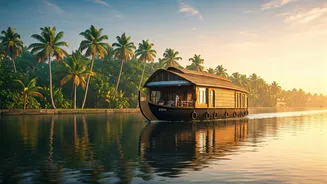
While the phenomenon is perhaps most dramatic in once-sleepy Himalayan hill stations, the trend is nationwide. In Goa, the classic beach shack model is being supplemented and, in some cases, replaced by sophisticated all-day cafes that wouldn’t look out of place in Brooklyn or Berlin. These spots offer a respite from the pulsating party scene, catering to a clientele interested in wellness, creativity, and connection. Similar revivals are happening in the coffee-growing regions of Coorg in Karnataka and even in the backwaters of Kerala. The common thread is the cafe's role as a catalyst. It arrives first, creating a foothold for a modern, creative class. Soon, boutique hotels, design shops, and organic food stores follow, clustering around this new center of gravity and transforming the economic and social fabric of the entire area.