






The Quiet Before the Storm
Driving through Arizona or New Mexico in June is an exercise in appreciating subtlety. The beauty is in the starkness: the sculptural forms of saguaro cacti against a pale blue sky, the deep reds of sun-baked earth, the vast, silent expanse of the desert.
It’s a landscape defined by sun and stone, where life is tough, resilient, and often hidden. You learn to read the heat, to appreciate the shade of a lone mesquite tree, and to understand that the land is not empty, but waiting. This period of waiting is crucial to understanding the magic that follows. The heat builds, the air grows heavy with humidity that feels borrowed from a faraway ocean, and a sense of anticipation settles over everything. Locals watch the skies, not with dread, but with hope. They know that this oppressive stillness is the necessary prelude to a profound and welcome transformation.
An Explosion of the Senses
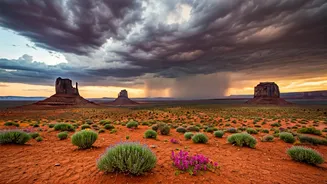
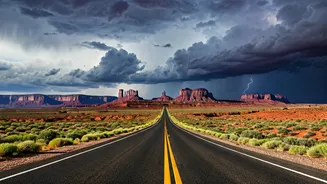
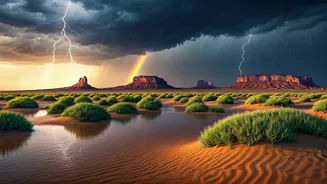
The first monsoon storm is an event. It doesn’t politely drizzle; it arrives. Towering cumulonimbus clouds, dark and dramatic, build on the horizon in the late afternoon. The wind picks up, carrying the first cool gusts that feel like a gift. And then comes the smell—that intoxicating, earthy perfume of rain hitting dry ground, known as petrichor. In the Southwest, this scent is amplified by the creosote bush, which releases a clean, resinous aroma that is the official fragrance of the desert’s relief. The rain itself can be a deluge, a curtain of water that blurs the world and drums a powerful rhythm on the roof of your car. The temperature can drop twenty degrees in as many minutes. It’s a full-body experience, a dramatic cleansing that washes away months of dust and heat. For a moment, the world is nothing but sound, scent, and the exhilarating feeling of a thirst being quenched on a massive scale.
A World Washed in Green
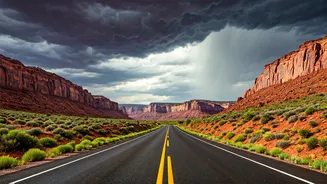
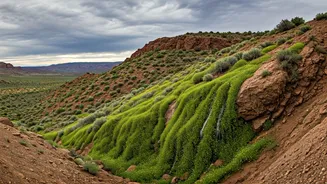
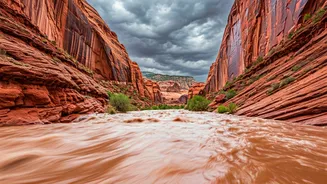
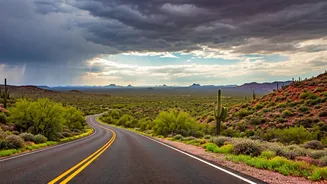
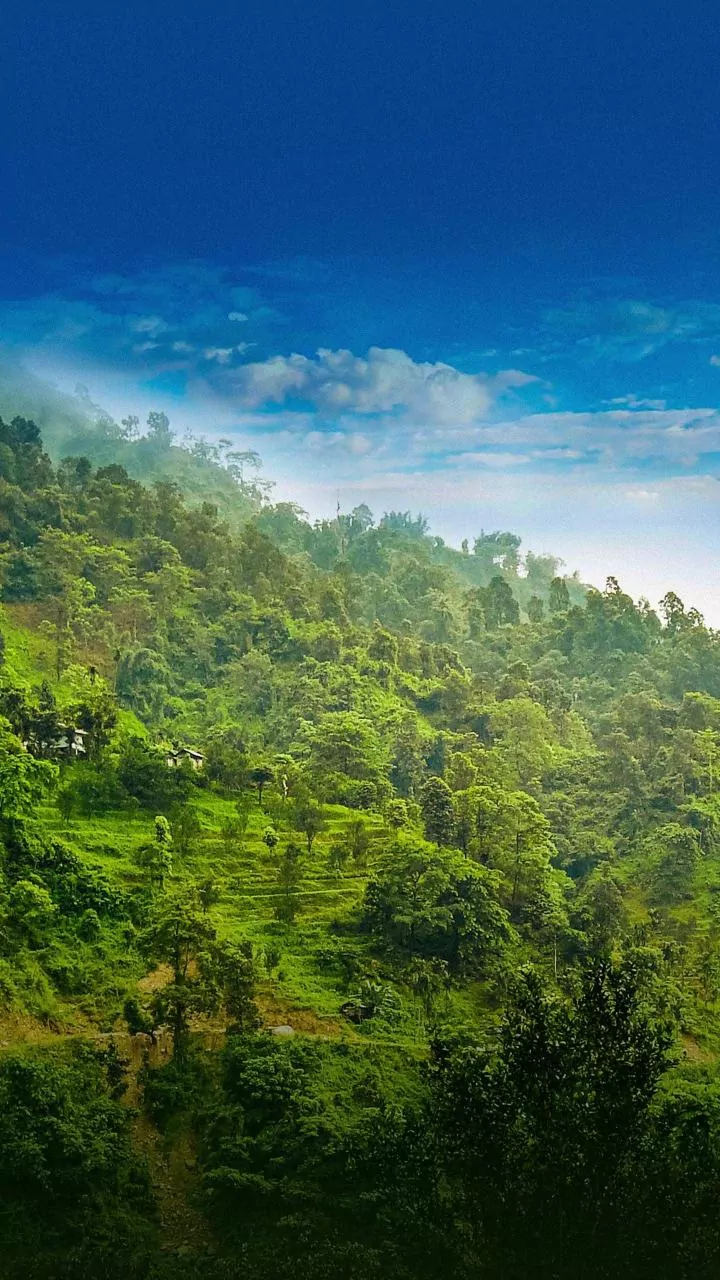
The real reward, however, comes in the days following the rain. This is when the “green roads” of the headline truly appear. The transformation is shockingly fast. Hillsides that were brown and dormant are suddenly fuzzy with a delicate green carpet of new grasses. Cacti, which seemed like stoic, unchanging sculptures, surprise you with vibrant, waxy flowers. Wildflowers, whose seeds have laid dormant for years, erupt in brilliant patches of yellow, purple, and red. The desert, once a study in monochrome, becomes a watercolor painting. Driving through this reborn landscape is a completely different experience. The air is clean and crisp. The familiar vistas are now layered with new colors and textures. A drive down a road you’ve traveled a hundred times can feel like exploring a new country. Washes and arroyos that were bone-dry just days before now gurgle with water, attracting wildlife and adding a new soundtrack to the scenery.
The Art of the Monsoon Drive
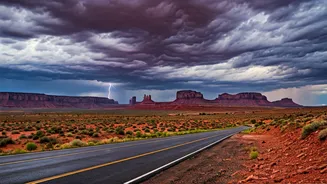
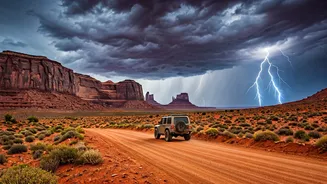
Embracing the monsoon drive isn’t just about being in the right place at the right time; it’s a mindset. It requires flexibility and a healthy respect for nature’s power. Storms can be localized and unpredictable. A key part of the experience is pulling over safely to watch a distant storm cell unleash its contents, a spectacular light show of lightning against a bruised sky. It also demands caution. The same rains that bring life can cause dangerous flash floods in low-lying areas and washes. Local wisdom is paramount: never cross a flooded road. But this element of risk and respect only deepens the experience. It’s not a sanitized, theme-park version of nature. It’s wild, dynamic, and powerful. The perfect monsoon drive is often an impromptu one, a detour taken on a whim because the sky looks interesting to the west or the light is hitting a green hillside in just the right way.