






More Than Just Greenery
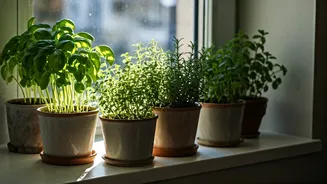
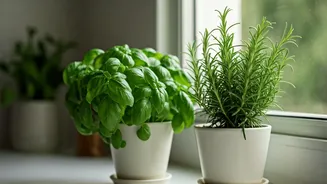
Placing a plant on a windowsill is nothing new, but the specific choice of basil and rosemary offers a textural and aesthetic one-two punch. Basil, especially a classic Genovese variety, brings a sense of lush, vibrant life. Its soft, rounded, almost
quilted leaves feel generous and full. Placed in a simple terracotta pot, it evokes an Italian countryside kitchen, even if you’re in a fourth-floor walk-up in Cleveland. Rosemary, on the other hand, is all about structure. Its woody stems and spiky, needle-like leaves have an architectural quality, like a miniature, fragrant pine tree. It provides a beautiful contrast to basil’s softness. A pot of rosemary on a bookshelf or entryway table adds a touch of sophisticated, rustic charm. Together, they are a dynamic duo of form and function, living decor that evolves with the seasons and your care.
An Everyday Aromatherapy
The true magic of these herbs unfolds before you even see them. Walk into a room where a pot of basil is catching the afternoon sun, and you’ll be greeted with a faint, peppery-sweet scent. It’s clean, green, and instantly uplifting. Rosemary’s contribution is even more potent. Its piney, camphor-like fragrance is legendary for its association with memory and clarity. Simply brushing your hand against the leaves as you pass by releases a fragrant burst that can cut through the stale air of a stuffy room or the lingering smell of last night’s takeout. This isn't a synthetic, plug-in scent that announces its artificiality. It’s a subtle, natural fragrance that integrates into your home’s atmosphere. It’s the smell of life, of freshness, and of a home that is cared for. For a few dollars, you’re not just buying a plant; you’re buying a custom, all-natural air freshener.
Your Kitchen's New Best Friends
Here is where this upgrade truly pays for itself. Having fresh basil and rosemary on hand transforms your cooking from a chore into a creative act. That jar of pasta sauce you were just going to heat up? Tear a few fresh basil leaves over it at the end and suddenly it’s a bright, aromatic masterpiece. Those potatoes you were about to roast with salt and pepper? Toss them with a sprig of rosemary and a little olive oil, and your entire home will fill with the heart-warming scent of a Sunday supper. It encourages a more intuitive, flavor-forward approach to food. You don’t need a recipe. Just snip a bit of what you have. Muddle rosemary into a gin and tonic. Float a basil leaf in your lemonade. Infuse olive oil by simply dropping a clean, dry sprig into the bottle. It’s a constant invitation to elevate the everyday, turning a simple meal into something special with zero extra effort.
Your Foolproof Starter Guide
Intimidated? Don’t be. These herbs are popular for a reason: they are resilient. You don’t need a green thumb, just a sunny spot. Start by buying small, established plants from a grocery store or nursery—it’s far easier than starting from seed. For Basil: It’s a sun and water lover. Give it a spot that gets at least six hours of direct sunlight a day. A south-facing window is ideal. It likes its soil to be consistently moist but not waterlogged. Water it when the top inch of soil feels dry. The most important tip: pinch off the top sets of leaves regularly. This encourages the plant to grow bushy and full, and delays it from flowering, which can make the leaves bitter. For Rosemary: This herb prefers to be on the drier side, mimicking its native Mediterranean climate. Give it plenty of sun, just like basil, but be careful not to overwater. Let the soil dry out completely between waterings. Rosemary is a perennial, so a happy plant can live for years, growing into a beautiful, woody shrub.