


A Real-Life Mountain Eden
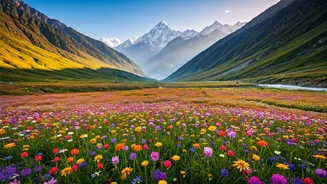
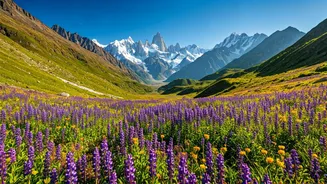
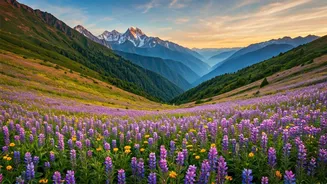
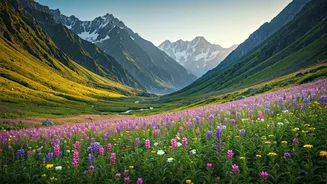
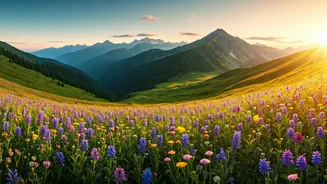
Tucked away in the Chamoli district of Uttarakhand, a mountainous state in northern India, the Valley of Flowers National Park is a place of legend. Designated a UNESCO World Heritage Site, this ethereal landscape is more than just a pretty meadow. For
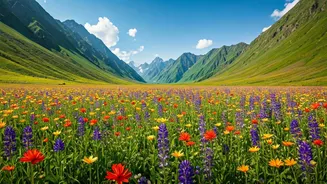
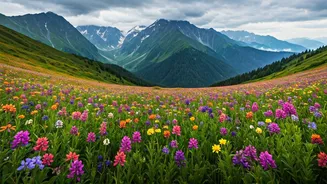
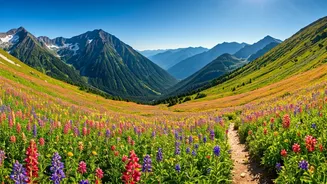
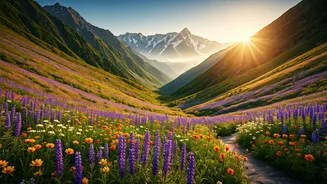
a brief window during the monsoon season, over 600 species of alpine flowers—including rare blue poppies, primulas, and cobra lilies—burst into bloom, creating a spectacle of color against a backdrop of snow-dusted Himalayan peaks. The valley was largely unknown to the outside world until 1931, when it was discovered by a group of British mountaineers who had gotten lost. Their reports of an impossibly beautiful, flower-filled valley established its place in trekking lore, turning it into a bucket-list destination for botanists, photographers, and nature lovers.
The Journey to the Valley
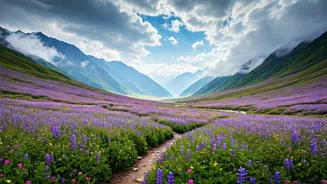
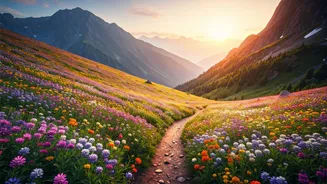
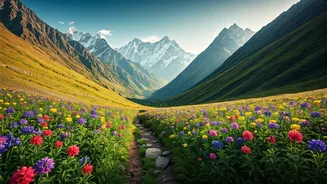
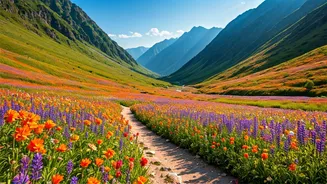
The trek to the Valley of Flowers is as much a part of the experience as the destination itself. The journey is a moderately challenging but immensely rewarding multi-day affair. Most travelers begin their adventure from the town of Joshimath, driving to the trailhead at Pulna. From there, it's a scenic 6-mile trek along the roaring Pushpawati River to the small, bustling base village of Ghangaria. This path, shared by pilgrims heading to the Sikh shrine of Hemkund Sahib, is dotted with waterfalls and small tea stalls. After an overnight stay in Ghangaria, trekkers make the final 3-mile ascent into the valley itself. The entrance feels like stepping through a portal. The narrow trail opens up into a sprawling, U-shaped expanse of green and floral Technicolor, a truly breathtaking reward for the effort.
Why Timing Is Everything
Unlike year-round destinations, the Valley of Flowers is an ephemeral prize. It remains buried under heavy snow from late October until early June. The park officially opens to the public around June 1st and closes during the first week of October. While the entire period offers stunning views, the peak floral bloom occurs from mid-July to mid-August. This is when the valley is at its most vibrant, with a new collection of flowers seeming to appear each week. Planning a trip during this six-week window is crucial to witnessing the full spectacle. Traveling just before or after this peak still provides a beautiful trek, but the sheer density and variety of flowers will be diminished. The monsoon rains that trigger the bloom also mean you should be prepared for wet weather, misty mornings, and the occasional downpour, all of which adds to the mystical atmosphere.
Planning Your Himalayan Adventure
Getting to this remote corner of the world requires some planning. The nearest airport is in Dehradun (Jolly Grant Airport), from which it's a long, winding, but beautiful 10- to 12-hour drive to Joshimath or Govindghat. From there, you begin the trek. All visitors need a permit, which can be obtained at the forest department checkpoint just before entering the valley. While some experienced trekkers go independently, many travelers opt to hire a local guide or go with an organized trekking company. This simplifies logistics, as they can arrange transportation, accommodation in Ghangaria, and permits. Essential packing includes sturdy, waterproof hiking boots, layered clothing, rain gear, sun protection, and a camera with extra batteries—you’ll be using it constantly.
Why It's Trending Again
After years of travel disruptions, adventurers are seeking out more meaningful, nature-focused experiences, and the Valley of Flowers perfectly fits the bill. It offers a profound sense of remoteness and discovery without requiring the technical skill of a major mountaineering expedition. As travelers look for alternatives to over-touristed trails, this legendary Indian trek provides a powerful antidote to the everyday. It's a chance to disconnect from the digital world and reconnect with the raw, cyclical beauty of nature. The renewed interest isn’t just about seeing flowers; it’s about participating in a pilgrimage to one of the planet’s most stunning seasonal wonders, a journey that feels both timeless and perfectly suited for our times.