

From Decor to Daily Practice
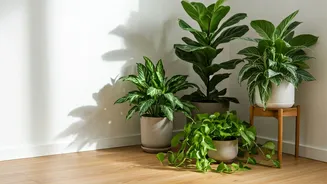
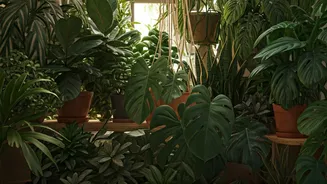
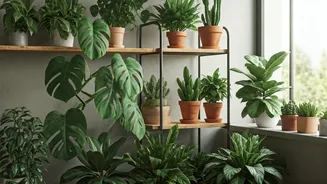
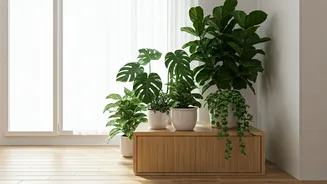
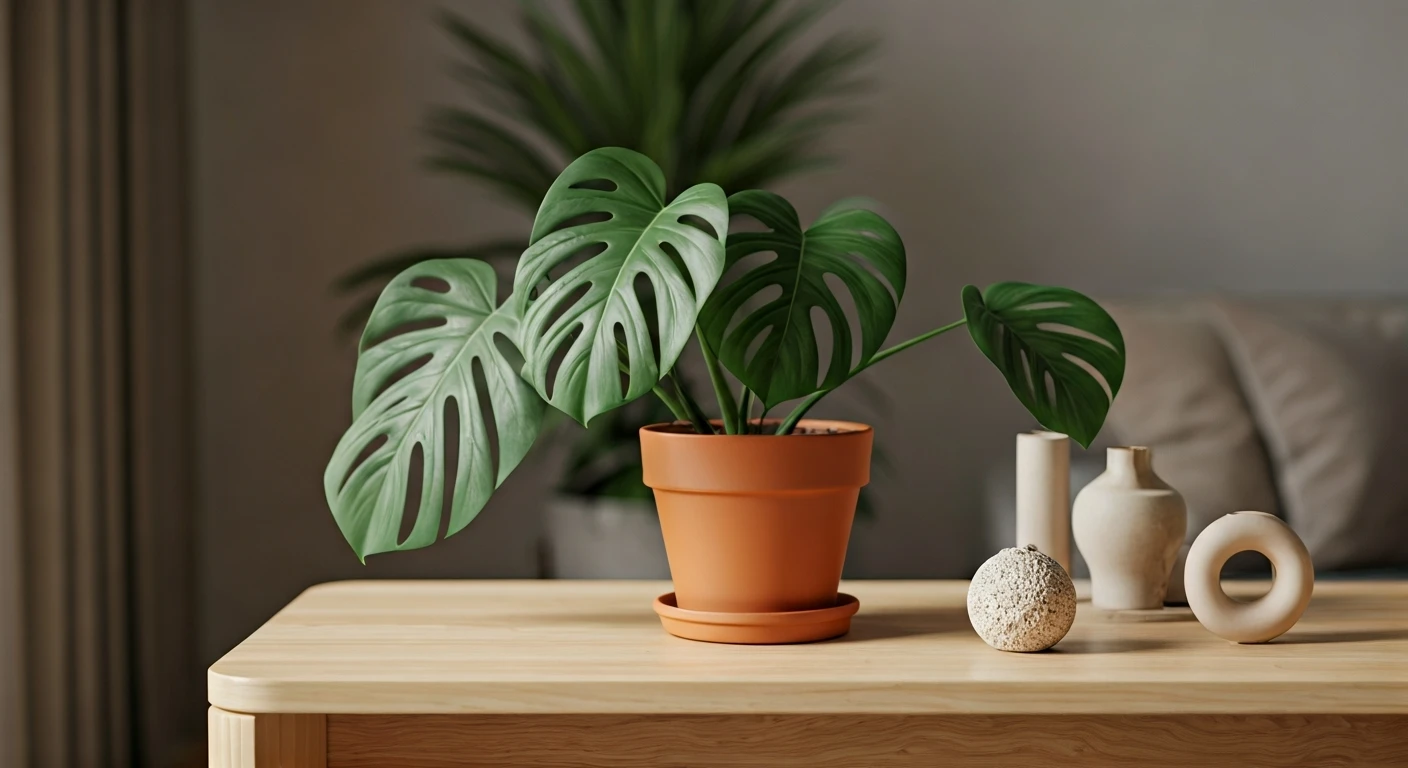
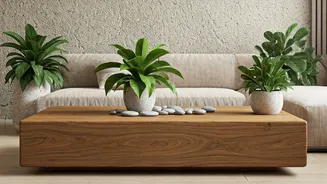
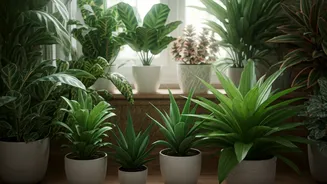
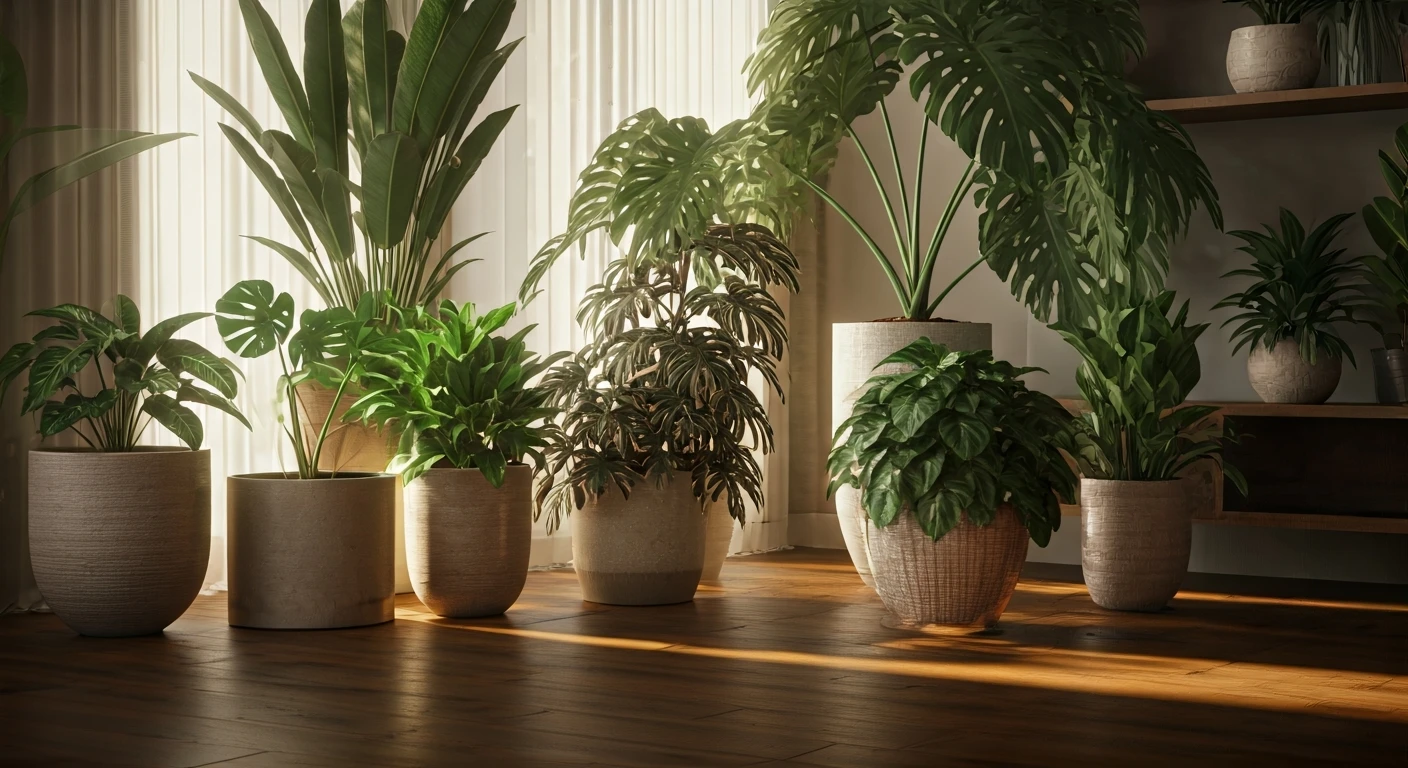
Walk into any trendy cafe, co-working space, or modern apartment, and you’ll see them: monsteras with their Swiss-cheese leaves, sculptural snake plants, and delicate strings-of-pearls cascading from shelves. Houseplants have officially moved from a background
design element to a focal point of American homes. But this isn't just about aesthetics. The act of choosing, buying, and caring for a plant has been elevated to a 'lifestyle habit'—a recurring, mindful practice that shapes our spaces and our schedules. Unlike buying a new throw pillow, acquiring a plant is the beginning of a relationship. It requires attention, nurturing, and patience, turning a simple consumer purchase into an ongoing commitment that offers tangible, living feedback.
The Search for Wellness and Control
So, why the sudden fervor? A huge part of the appeal lies in wellness. In an overwhelmingly digital and often chaotic world, caring for a living thing offers a grounding, analog experience. The simple, repetitive tasks—watering, checking the soil, rotating for sunlight—create a pocket of mindfulness in a busy day. This ties into the concept of biophilia, our innate human tendency to seek connections with nature. When we can't escape to a forest, we bring a bit of the forest to us. For many urban dwellers, especially millennials and Gen Z in smaller living spaces, a thriving collection of houseplants provides a tangible sense of accomplishment and control. While the world outside may be unpredictable, you can, with a little effort, help your pothos unfurl a new leaf. It’s a small, quiet victory that feels surprisingly profound.
A Trend Accelerated by Staying Home
While the houseplant trend was already budding pre-2020, the pandemic poured Miracle-Gro on it. Confined to our homes, we became acutely aware of our surroundings. The line between office, gym, and living space blurred, and a collective desire to create a more pleasant, breathable, and beautiful sanctuary took hold. Plants were the perfect solution: they are a relatively affordable way to transform a space, they purify the air, and they offer a welcome project for those facing long stretches of isolation. The home became the center of the universe, and nurturing something green within it was a powerful act of hope and domestic creativity. This period solidified plant care not as a hobby for a few, but as a mainstream coping mechanism and a central part of modern homemaking.
The Rise of the Social 'Plant Parent'
This habit isn’t happening in a vacuum. The rise of the 'plant parent' has been fueled by a vibrant online community. On Instagram and TikTok, hashtags like #plantparenthood and #urbanjungle connect millions of enthusiasts. Influencers share tips on propagating succulents, showcase rare collector's plants like the Pink Princess Philodendron, and create 'plant shelfies' that are as aspirational as any fashion post. This digital ecosystem validates the lifestyle. It provides a space to ask for help with a struggling fiddle-leaf fig, celebrate the first bloom on an orchid, or even trade cuttings with a stranger from across the country. This social layer transforms a personal hobby into a shared cultural identity, complete with its own language, celebrities, and status symbols. It’s no longer just you and your fern; it's you and a global community of fellow growers.