
Meet Your New Favorite Savory Cake
First, let's get acquainted. If you've only ever had the classic yellow dhokla from Indian restaurants, you're likely familiar with Khaman, made from a fermented batter of chickpea flour. It’s delicious, but it requires planning. Rava Dhokla is its quicker,
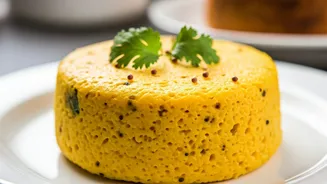
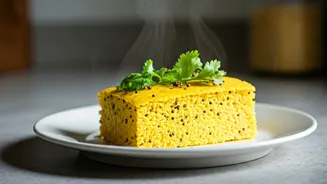
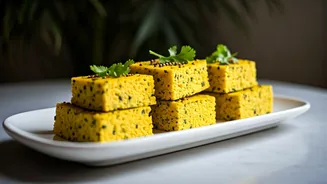
wonderfully convenient cousin. Hailing from the western Indian state of Gujarat, a region famous for its spectacular vegetarian snacks, Rava Dhokla is made from semolina (rava or sooji), yogurt, and a few simple spices. The batter comes together in minutes, needs only a short rest, and then it’s steamed to perfection. The result is a sunny, golden-hued cake that’s impossibly light, spongy, and moist, with a subtle savory tang. It’s not sweet, despite its cake-like appearance; think of it more like a savory cornbread, but with a far more delicate and airy texture. This “instant” nature is precisely what makes it a modern kitchen hero.
The Underrated Genius of Steaming
The real magic of Rava Dhokla in the summer is its cooking method: steaming. In a season when our ovens are on hiatus and even extensive stovetop cooking can feel like a chore, steaming is a breath of fresh air. It adds moisture to the food, creating that signature soft crumb, and it does so without turning your kitchen into a sauna. You don't need specialty equipment; a large pot with a steamer insert or even a small rack to elevate the pan will do. The process is largely hands-off. Once the batter is in the steamer, you can walk away for 15-20 minutes and come back to a fully cooked dish. This gentle cooking technique feels perfectly aligned with the season's call for less fuss and less heat, proving that you can achieve something elegant and satisfying without breaking a sweat.
The Ultimate Make-Ahead Marvel
Here's where Rava Dhokla truly shines in its practicality. It’s a dish that’s arguably as good—if not better—at room temperature as it is warm. This makes it an ideal candidate for meal prep and entertaining. You can steam a batch in the cool of the morning and have it ready for a light lunch, an after-school snack for the kids, or an impressive appetizer for evening guests. It’s sturdy enough to be packed for picnics and potlucks, holding its shape without becoming dry or crumbly. Cut into diamond or square shapes, it’s a perfect finger food for a crowd. This versatility frees you from the tyranny of last-minute party prep. Instead of scrambling to finish a dish as people arrive, you have a beautiful, delicious platter ready to go.
A Perfect Canvas for Flavor
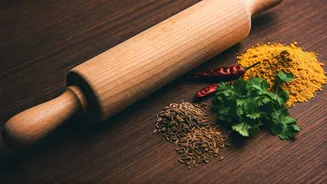
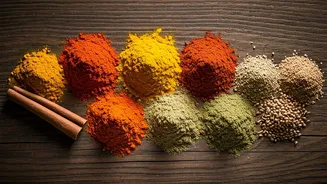
While the dhokla itself is subtly flavored, it’s finished with a flourish that takes it to the next level: a *tadka* (or tempering) of spices. Hot oil is infused with black mustard seeds, which pop and release their nutty aroma, often along with sesame seeds, curry leaves, and a slit green chili for a hint of warmth. This fragrant oil is then poured over the finished cake, where it sizzles and soaks into the porous crumb, adding pops of texture and layers of flavor in every bite. A final garnish of fresh cilantro adds a bright, herbal note. It’s most commonly served with a side of green cilantro-mint chutney for a fresh, spicy kick, or sometimes a sweet and tangy tamarind chutney. These accompaniments make the dish a complete, self-contained flavor experience.