



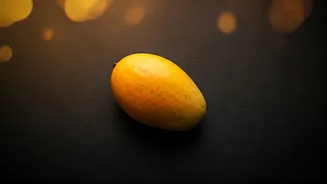


The Undisputed King of Fruit
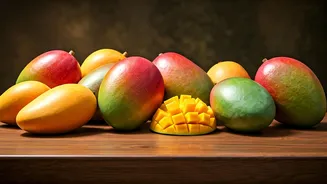
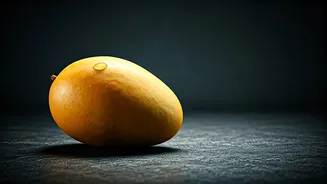
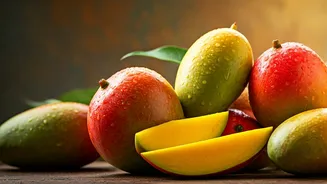
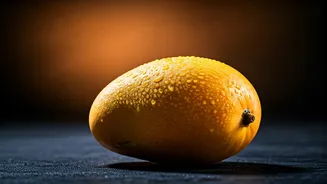
In India, the mango isn’t just a fruit; it’s a cultural event, a harbinger of summer, and a subject of fierce regional pride. And among the thousand-plus varieties, one reigns supreme: the Alphonso, or ‘Hapus.’ Grown primarily along the western Konkan
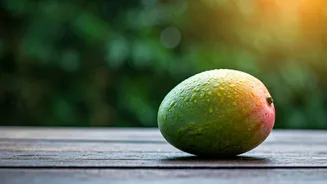
coast in Maharashtra, the Alphonso is renowned for its saffron-colored, buttery flesh, minimal fiber, and a flavor that blends notes of citrus, honey, and peach. It’s a sensory experience so profound that it has inspired poetry and commands exorbitant prices. But the Alphonso isn’t alone. Other varieties like the sweet, fragrant Kesar from Gujarat and the Banganapalli from Andhra Pradesh are also finding fans from New York to Tokyo. This isn't your standard supermarket mango, bred for durability and a long shelf life. These are delicate, highly perishable fruits whose appeal lies in their fleeting, spectacular season, making their journey overseas a triumph of modern logistics.
A Bumpy Road to the U.S. Market
For decades, Americans could only hear about the legendary Alphonso. A ban initiated in 1989, aimed at preventing the introduction of fruit flies and other pests, kept Indian mangoes out of the United States. That changed in 2007 when the U.S. approved an irradiation protocol. Today, for an Indian mango to reach American shores, it must undergo a low-dose blast of radiation at a certified facility. This process, which kills any potential pests without making the fruit radioactive, is the golden ticket to the lucrative U.S. market. This complex compliance adds significant cost and logistical hurdles. Farmers must transport their delicate, ripe fruit to one of a handful of irradiation centers before it can be cleared for export. It’s a race against time that only the most organized and well-capitalized growers can win, creating a clear divide in the farming community.
The Farmer's Double-Edged Sword
The global spotlight promises higher prices and a world of new customers. For farmers like those in the Devgad and Ratnagiri districts—the heart of Alphonso country—this should be a golden age. Yet, the reality on the ground is far more complicated. International demand has made their livelihoods more precarious, not less. Climate change is the primary villain. Unseasonal rains during the crucial flowering stage can decimate a crop. Rising temperatures and erratic weather patterns have made yields unpredictable, a disaster for a fruit that is harvested only once a year. Furthermore, the pressure to meet exacting international standards for size, color, and lack of blemishes means much of a farmer's crop may not even qualify for export, leaving them to sell it on the less profitable domestic market. The high price a New Yorker pays for a single Alphonso rarely reflects a windfall for the person who grew it.
More Than Just a Commodity
The hunger for Indian mangoes is driven by more than just curious foodies. The vast Indian diaspora, nostalgic for a taste of home, created the initial beachhead markets in the UK, the Middle East, and North America. For them, the arrival of the first box of Alphonso or Kesar mangoes is a deeply emotional, cultural touchstone that connects them to their roots. This passion has created its own set of problems, including a rampant market for fakes. Unscrupulous sellers often pass off inferior, cheaper varieties as premium Alphonsos to unsuspecting buyers. In response, some farmer collectives in India have started using QR codes and Geographical Indication (GI) tags—a system similar to the one protecting Champagne or Parmesan cheese—to guarantee authenticity. It's a modern solution to protect an ancient agricultural heritage.