


A Feast on a Platter
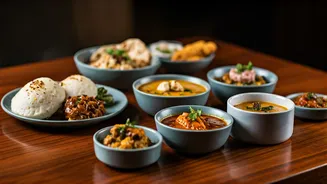
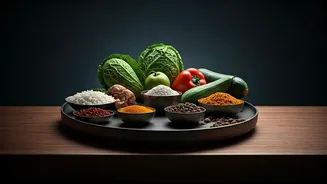
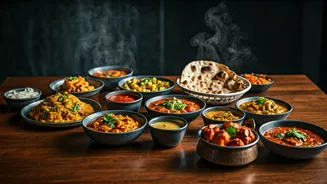
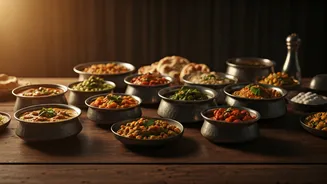
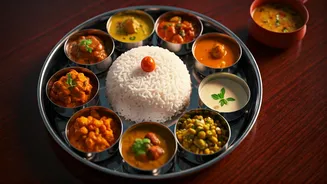
So, what exactly is a thali? The word itself simply means 'plate' in Hindi, but in a culinary context, it represents an entire meal served on a single, often round, platter. On this platter, you'll find an array of small bowls, called 'katoris,' each
filled with a different dish. There’s no appetizer, main, and dessert course here; everything arrives at once. It’s a beautifully orchestrated system designed to provide a balanced, satisfying, and complete meal. At its heart, the thali is an expression of Ayurvedic principles, aiming to include the six essential tastes: sweet, salty, sour, bitter, pungent, and astringent. This balance isn't just for flavor; it's believed to be crucial for proper digestion and overall well-being. It’s a meal that is both a feast for the eyes and a masterclass in nutritional harmony.
The Anti-À La Carte Experience
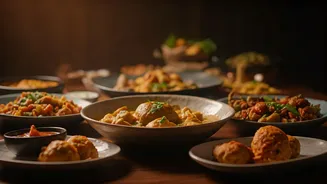
In a dining culture dominated by choice-paralysis and the standard three-course structure, the thali offers a compelling alternative: curated perfection. You don't have to agonize over what to order. The chef has already made the decisions for you, ensuring that every component on the plate complements the others. You'll typically find a grain (like rice or flatbread), a lentil dish (dal), several vegetable preparations (sabzis), a chutney or pickle for zest, a yogurt dish (raita) to cool the palate, and often a small dessert. This all-in-one approach is a quiet rebellion against the piece-meal nature of Western dining. It says, 'Trust us, this is a complete experience.' For diners fatigued by endless menus, this guided tour of flavors is a welcome relief.
Why It's Resonating Now
The thali’s current popularity isn’t a coincidence. It taps directly into several key trends driving modern American food culture. First, the 'small plates' phenomenon. For years, diners have been moving away from a single, large entrée, preferring the variety offered by tapas, mezze, or shareable plates. The thali is the original small-plates experience, offering a dozen tastes in one sitting without the logistical nightmare of ordering for a group. Second, there's the quest for authenticity. As diners become more sophisticated, they crave food that tells a story and offers a genuine connection to its culture of origin. The thali, with its deep regional roots and traditional structure, delivers that in spades. It feels less like a commercial product and more like an invitation into an Indian home.
The Instagram Factor Meets Tradition
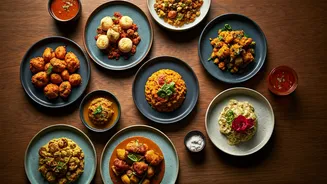
Let’s be honest: the thali is incredibly photogenic. The gleaming steel platter, the vibrant colors of the different curries and vegetables, the geometric arrangement of the katoris—it’s a visual feast tailor-made for the Instagram grid. But unlike many 'stunt foods' created purely for the camera, the thali's beauty is incidental to its function. Its aesthetics are a byproduct of centuries of culinary tradition, not a marketing gimmick. This combination is irresistible to the new-age foodie, who wants both a great picture and a meaningful story behind it. Sharing a photo of a thali isn't just showing off a meal; it’s signaling an appreciation for culture, variety, and a dining experience that’s more than just a quick bite.
A Gateway to Regional India
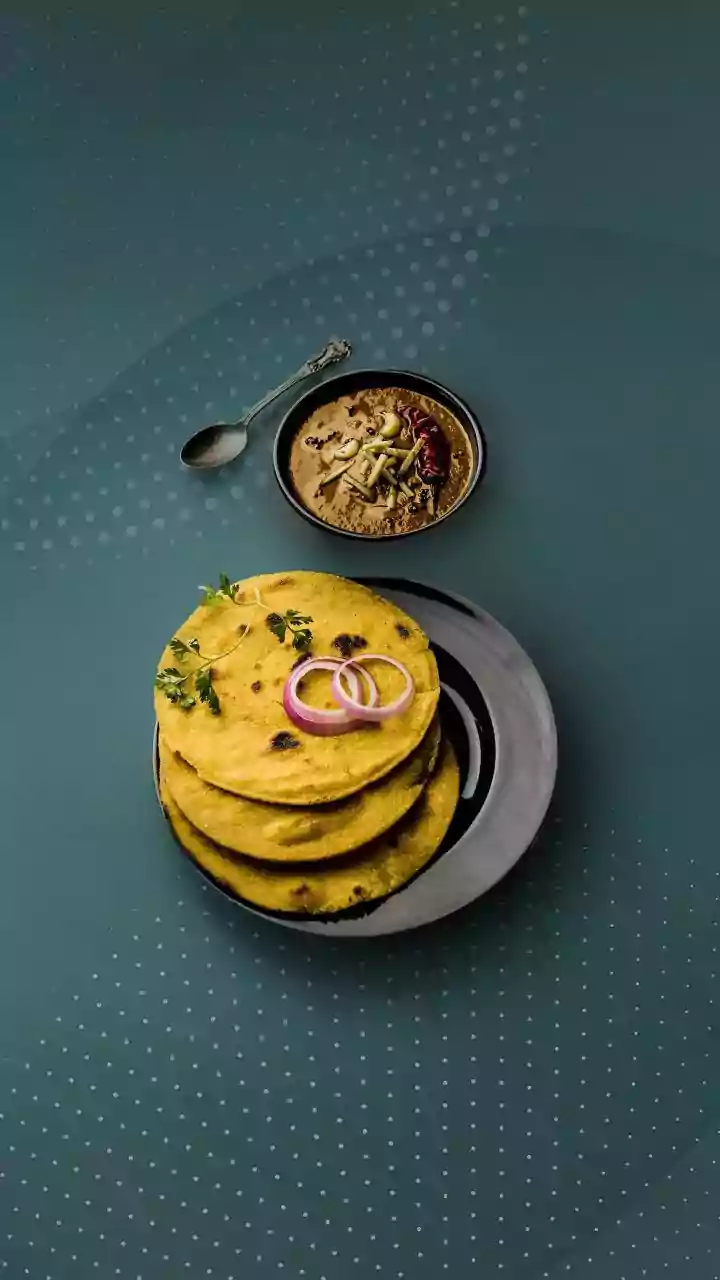
One of the most exciting aspects of the thali trend is that it’s not monolithic. A 'thali' is a format, not a single recipe. This allows diners to explore the vast diversity of India’s regional cuisines. A Gujarati thali, for instance, is often vegetarian and leans toward sweeter flavors, featuring dishes like dhokla and kadhi. A Rajasthani thali might be spicier and more robust, with specialties like dal baati churma. A South Indian thali, often served on a banana leaf, will have its own distinct set of flavors, featuring coconut, tamarind, and different types of rice. As more restaurants in the U.S. start specializing in regional thalis, they offer Americans a passport to the specific tastes of Maharashtra, Bengal, or Kerala, moving beyond the generic 'Indian food' umbrella and into a richer, more nuanced understanding of the subcontinent's culinary landscape.