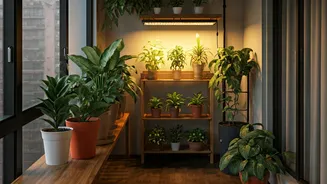


The Challenge of the Urban Jungle
For years, the dream of a lush home garden for many city dwellers in India was just that—a dream. In megacities, apartments are often packed tightly together, casting permanent shadows on neighboring buildings. Balconies, if they exist, might only get an hour
or two of direct sun, if any. Add in the challenges of monsoon seasons that bring weeks of overcast skies or hazy air quality that filters the sun’s rays, and growing anything more ambitious than a hardy snake plant felt like a losing battle. Traditional indoor gardening solutions were clumsy, expensive, and impractical. Old-school fluorescent or high-pressure sodium (HPS) grow lights were bulky, generated immense heat, and sent electricity bills soaring—making them the exclusive domain of commercial growers or very dedicated hobbyists with ample space and cash.
The Tech That Changed Everything
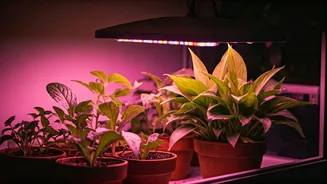
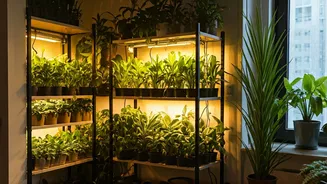
The game-changer wasn't a new gardening technique, but a revolution in lighting technology: the light-emitting diode (LED). While LEDs have been around for decades, only in the last five to ten years have they hit a trifecta of consumer-friendly benefits. First, the cost plummeted. A decent-quality, full-spectrum LED panel that once cost hundreds of dollars is now widely available for under $50. Second, their efficiency skyrocketed. Modern LEDs convert far more electricity into usable light for plants, producing very little waste heat. This means you can place them close to delicate leaves without scorching them and run them for hours without dreading your utility bill. Finally, their form factor became incredibly versatile. From single-bulb lamps that screw into a standard desk lamp to sleek, unobtrusive light strips that can be hidden under a cabinet, the technology has been miniaturized for the modern, space-conscious home. This wave of accessible tech, easily ordered from e-commerce giants like Amazon and Flipkart, has democratized the indoor garden.
From Window-Sill Herbs to Salad Greens
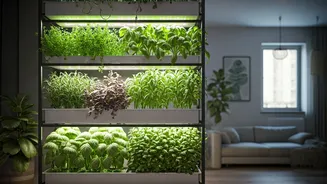
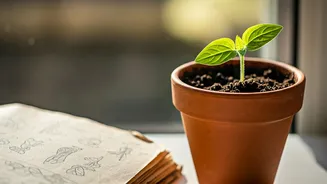
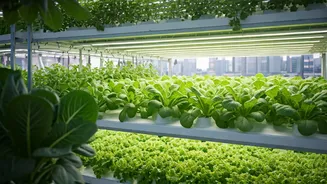
This new practicality has unlocked a whole new world of indoor agriculture. The Indian apartment gardener is no longer limited to growing a pot of holy basil (tulsi) or a few curry leaves by the kitchen window. Now, they're cultivating entire salad bars. Compact setups are supporting thriving crops of lettuce, spinach, kale, and arugula. Ambitious gardeners are successfully growing cherry tomatoes, peppers, and strawberries entirely indoors. It’s a way to access fresh, pesticide-free produce right where you live, a particularly appealing proposition in cities where market produce can be of inconsistent quality or treated with chemicals. This isn't just about sustenance; it’s a powerful wellness trend, bringing a tangible connection to nature into the heart of a concrete metropolis and providing the satisfaction of harvesting your own food.
Why This Trend Is Rooted in America, Too
While the headline may point to India, this story is playing out in virtually every major U.S. city. The same forces are at work: urbanization is pushing more people into apartments and condos with limited natural light. There’s a growing desire for food sovereignty and a connection to what we eat, fueled by a wellness culture that values fresh, organic ingredients. The technological and economic shifts that made grow lights practical in a Delhi flat have made them just as practical in a Brooklyn studio or a San Francisco condo. Walk through any American home improvement store or browse online, and you'll find an explosion of user-friendly grow light options designed for hobbyists, not farmers. The challenges of a New York winter are, to a plant, not so different from a Mumbai monsoon—both represent a lack of consistent, quality light that technology can now easily supplement.