





Why We Crave on Gloomy Days
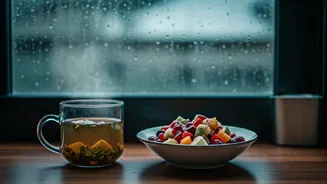
That urge to hibernate with a sleeve of crackers isn’t a failure of willpower; it’s a biological response. When sunlight is scarce, our brains can produce less serotonin, the neurotransmitter that helps regulate mood. In response, our bodies often crave
carbohydrates, because eating them can trigger a temporary spike in serotonin, making us feel happier and more relaxed for a short time. This is why “comfort food” is often starchy, sugary, or both. You’re not just hungry; you’re subconsciously trying to self-medicate a gloomy mood with food. It’s a primal, powerful instinct that connects the weather outside to the chemical balance inside your brain.
The Downside of the Snack Attack
The problem with this instinct is that processed snacks are a trap. While that handful of cookies or salty chips provides a quick, satisfying crunch and a momentary mood lift, it comes at a cost. Most of these foods are simple carbohydrates, which cause your blood sugar to spike and then crash. This leads to a vicious cycle: the initial good feeling fades quickly, replaced by fatigue, irritability, and even more intense cravings. Instead of solving the low-energy, blah feeling of a rainy day, this “risky snacking” often amplifies it, leaving you feeling worse than when you started. It’s a short-term fix with a long-term mood and energy deficit.
The 'Fresh Meal' Advantage
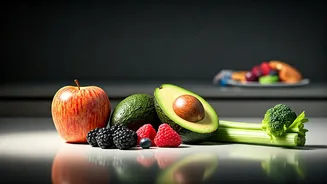
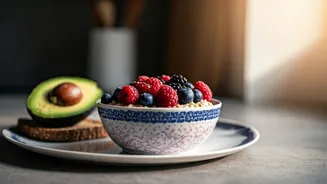
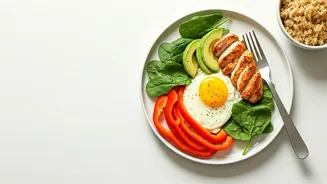
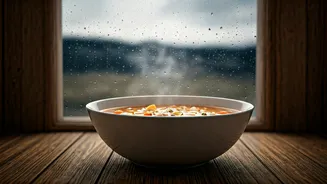
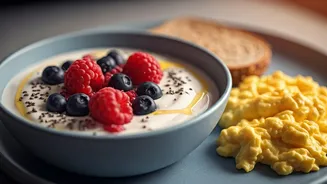
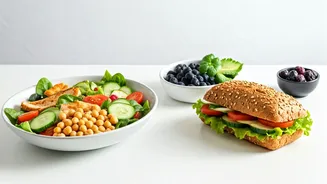
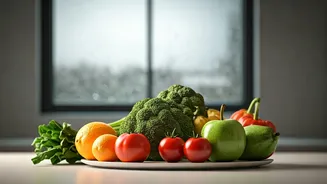
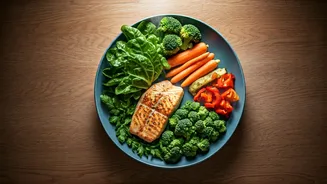
This is where a real, fresh meal changes the game. Unlike a bag of pretzels, a balanced meal provides complex carbohydrates, protein, and healthy fats that offer a slow, steady release of energy. This stabilizes your blood sugar, preventing the dramatic peaks and valleys that drive cravings and mood swings. Foods rich in fiber, vitamins, and minerals—like leafy greens, colorful vegetables, lean proteins, and whole grains—do more than just fill you up. They provide the actual building blocks your brain needs to produce neurotransmitters like serotonin and dopamine sustainably. The act of preparing and sitting down to a warm, nourishing meal is also a powerful psychological comfort, offering a sense of stability and self-care that a snack from a crinkly bag simply can’t match.
Make It Easy: Low-Effort Fresh Meals
Of course, no one wants to cook an elaborate feast when they’re feeling sluggish. The key is to make fresh meals just as easy as grabbing a snack. The secret weapon here is preparation. Sheet-Pan Dinners: Toss some chopped chicken or salmon, broccoli, and sweet potatoes with olive oil and seasoning, and roast it all on one pan. Minimal effort, minimal cleanup. Big-Batch Soups: Spend one afternoon making a giant pot of lentil, black bean, or chicken vegetable soup. Freeze it in individual portions for instant, hearty meals on demand. Smart Assemblies: Keep cooked quinoa or brown rice, canned beans, and pre-chopped vegetables on hand. You can assemble a nourishing grain bowl in under five minutes. Add a simple vinaigrette, and you have a complete meal that’s both delicious and energizing.
Rethink Your Pantry for Rainy Days
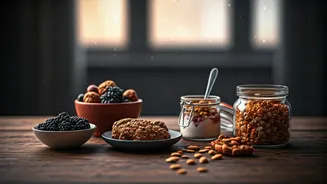
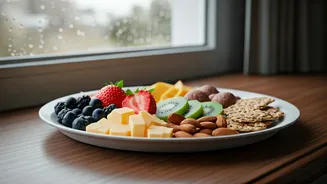
Beating risky snacking starts with stocking your kitchen for success. If your pantry is full of junk, that’s what you’ll eat. Instead of fighting your cravings, satisfy them with smarter choices. If you need crunch, try roasted chickpeas or a handful of almonds instead of potato chips. If you need sweetness, grab a piece of fruit or some Greek yogurt with a drizzle of honey. Keep your freezer stocked with frozen vegetables and fruits for smoothies. Having these healthier, but still convenient, options readily available makes it much easier to make a good choice when the weather has you feeling low and unmotivated. You’re not depriving yourself; you’re simply upgrading your comfort.