


The World's Wettest Stage
When most Americans think of rain, it’s a drizzle that cancels a barbecue or a storm that knocks out the power. In Northeast India, it’s the main character in an annual epic. This region, a cluster of states tucked between Bangladesh, Bhutan, and Myanmar,
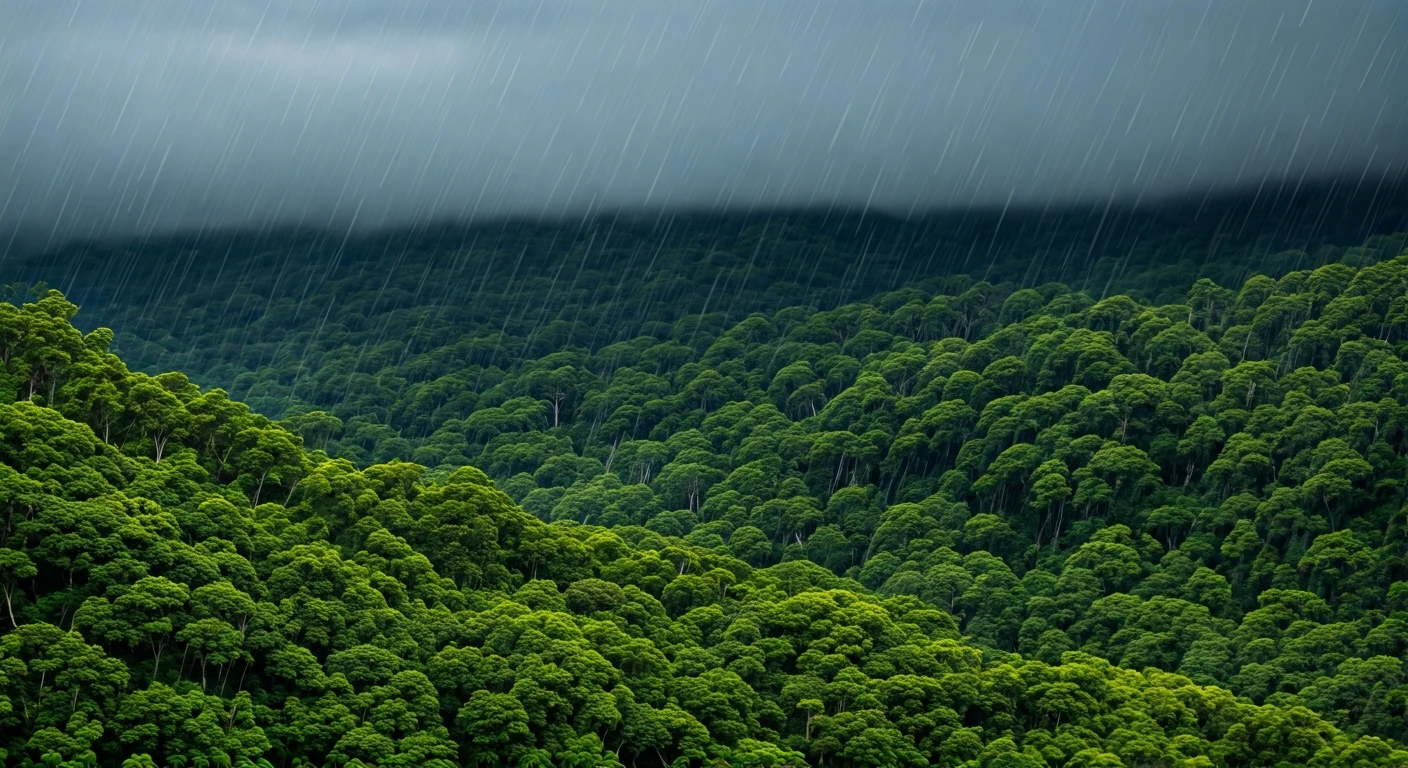
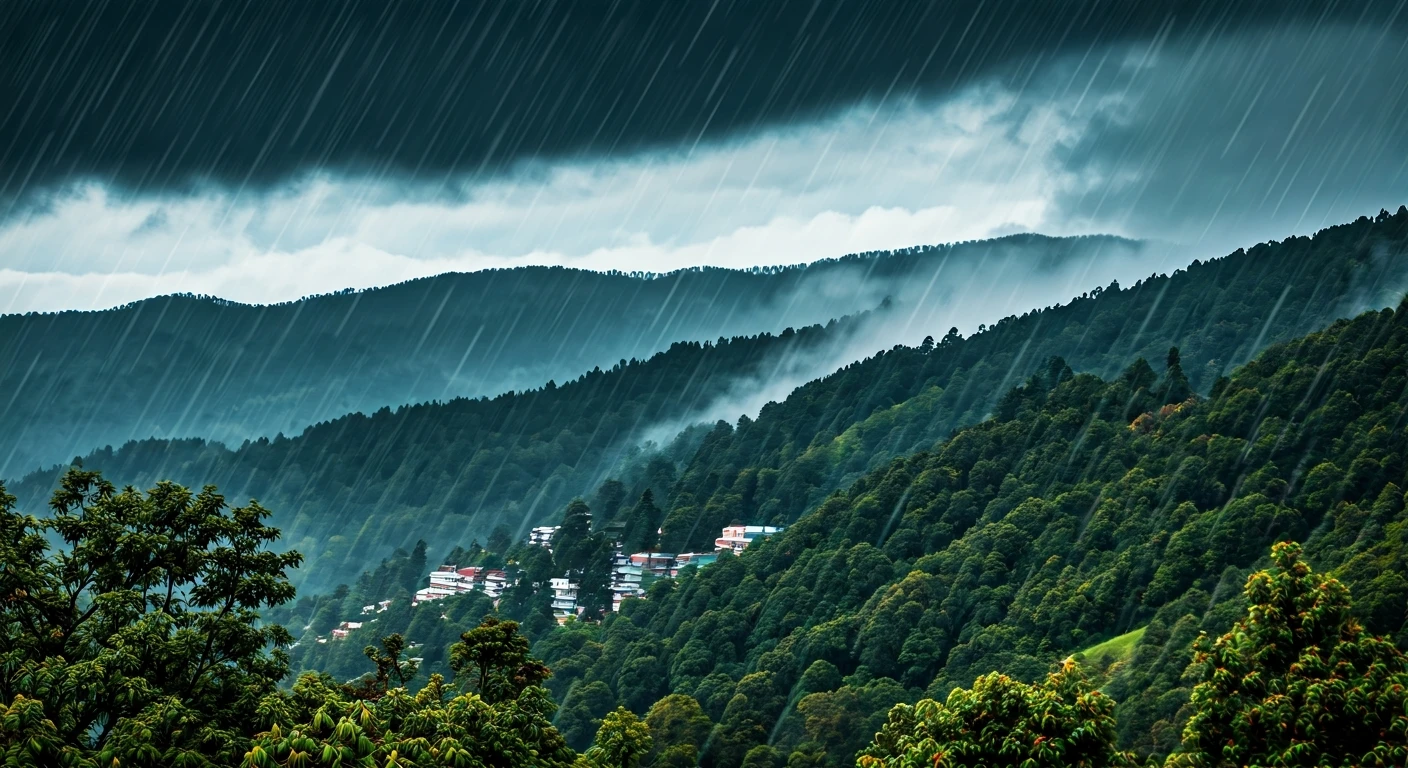
is home to the wettest places on Earth. The villages of Mawsynram and Cherrapunji in the state of Meghalaya receive, on average, over 450 inches of rain per year. For perspective, that’s more than ten times the rainfall of famously damp Seattle. This isn't just weather; it's a deluge of biblical proportions. The 'rain drama' isn't hyperbole. It’s the period from roughly June to October when the sky opens up and the entire region is subsumed by clouds, mist, and a relentless, life-giving downpour that reshapes the very definition of 'wet.'
A Landscape Reborn in Green
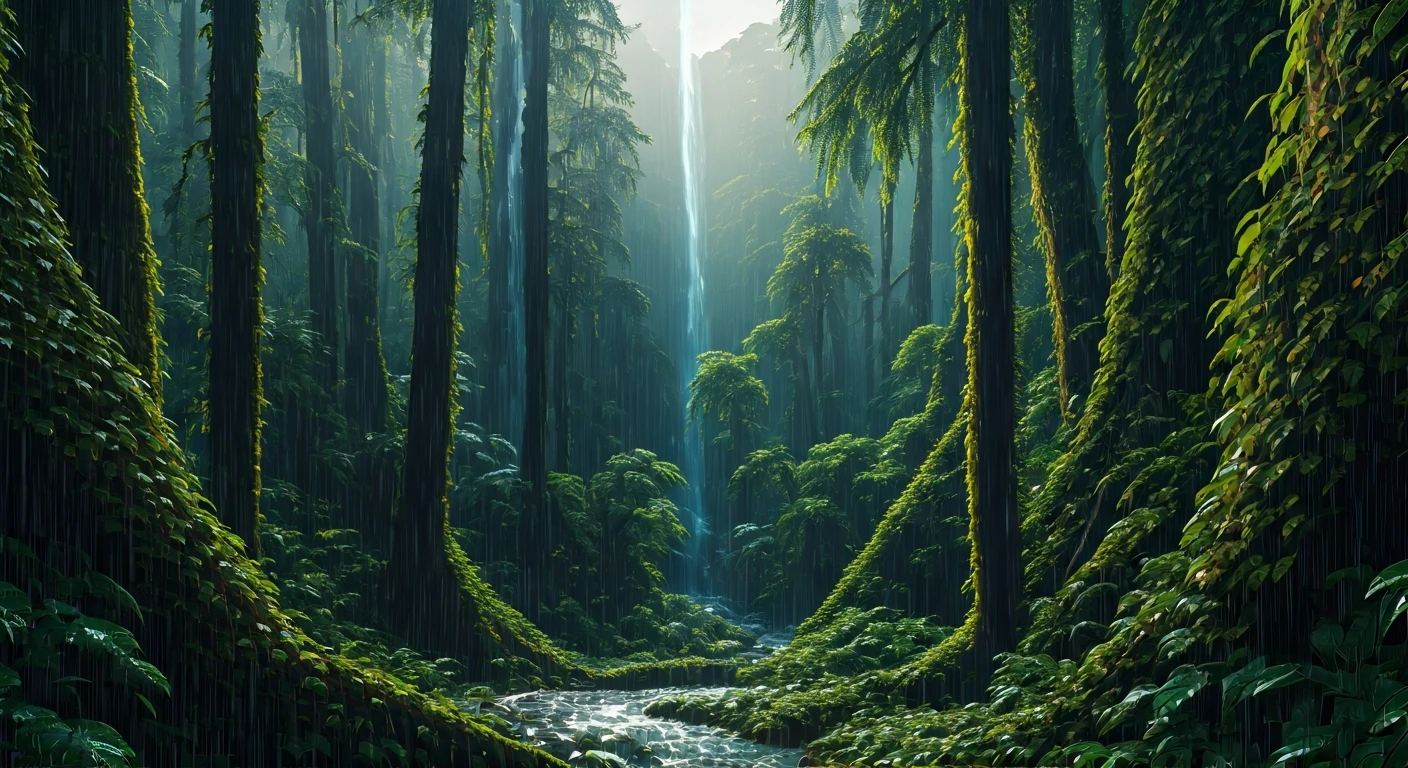
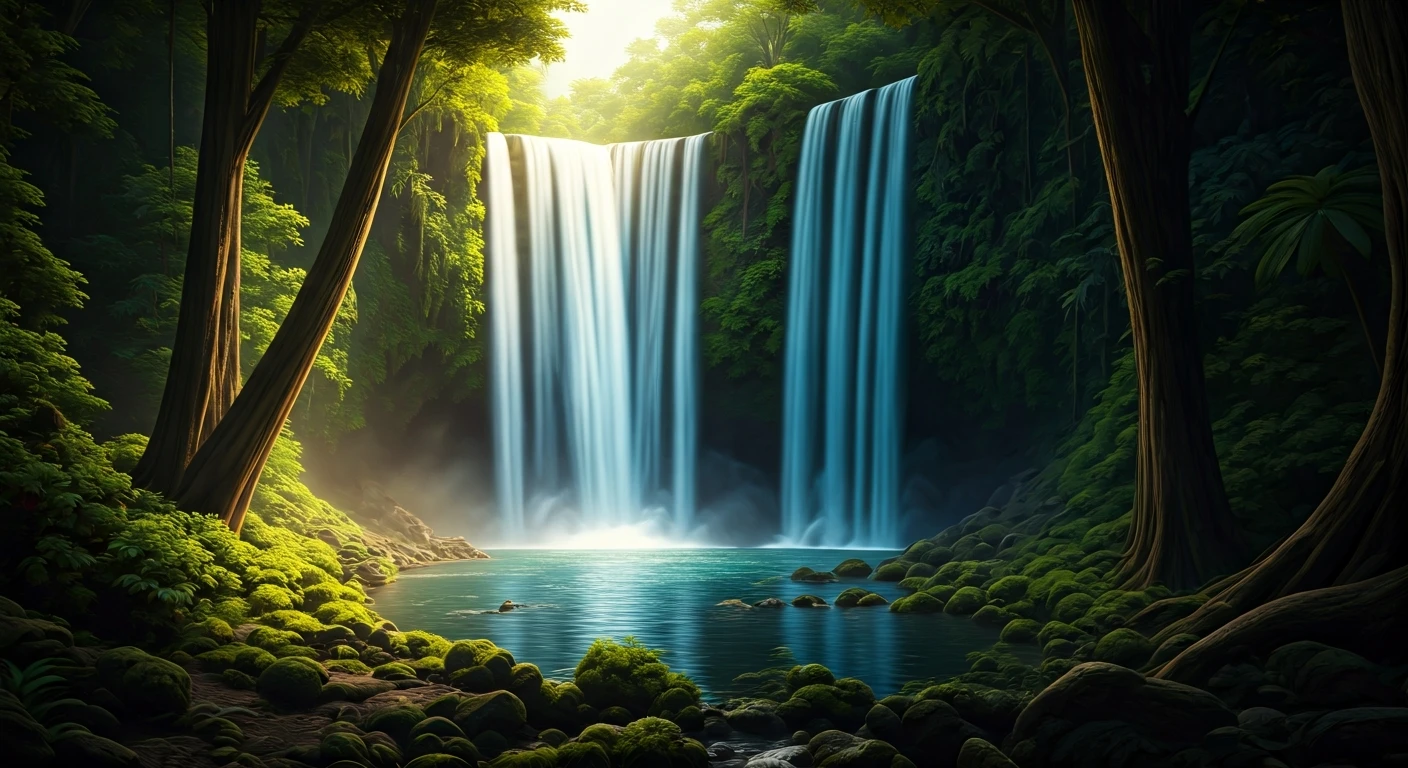
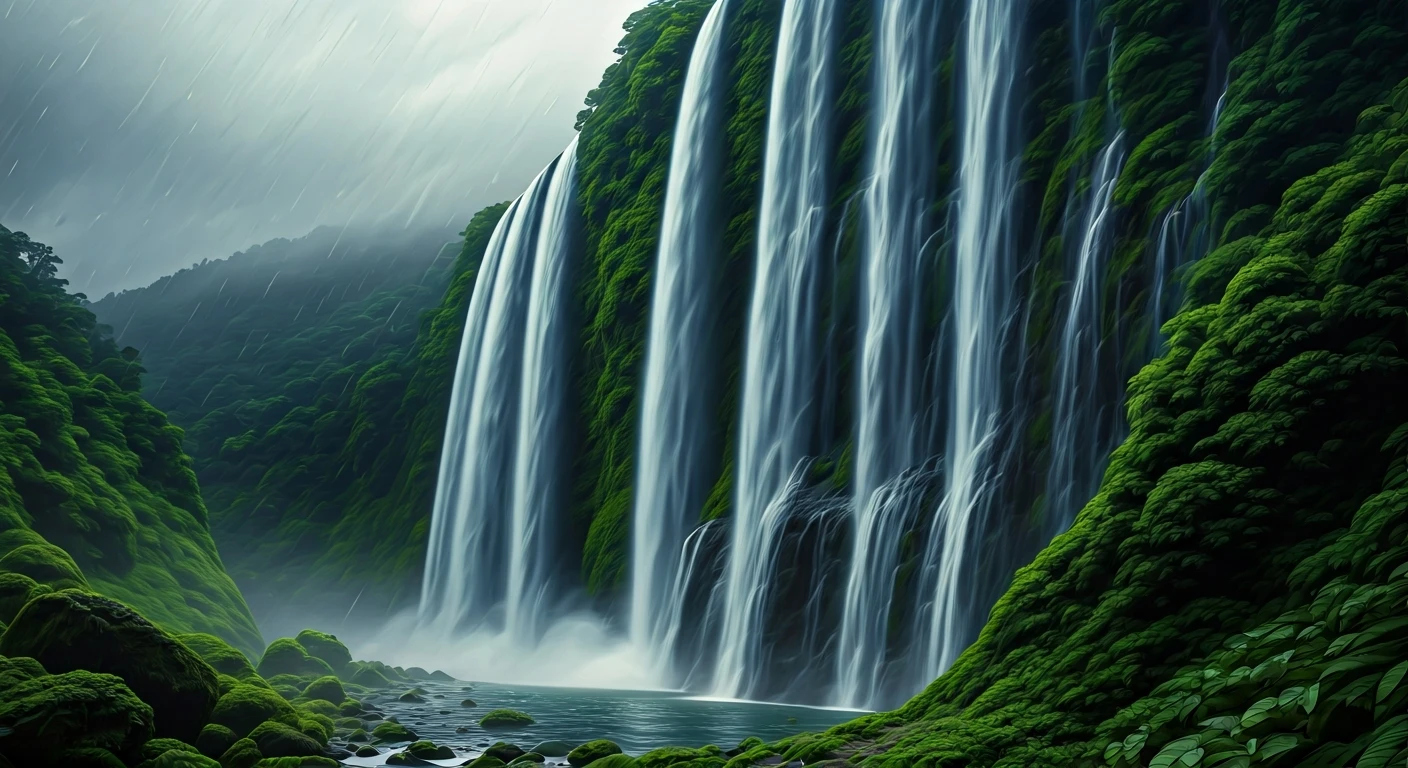
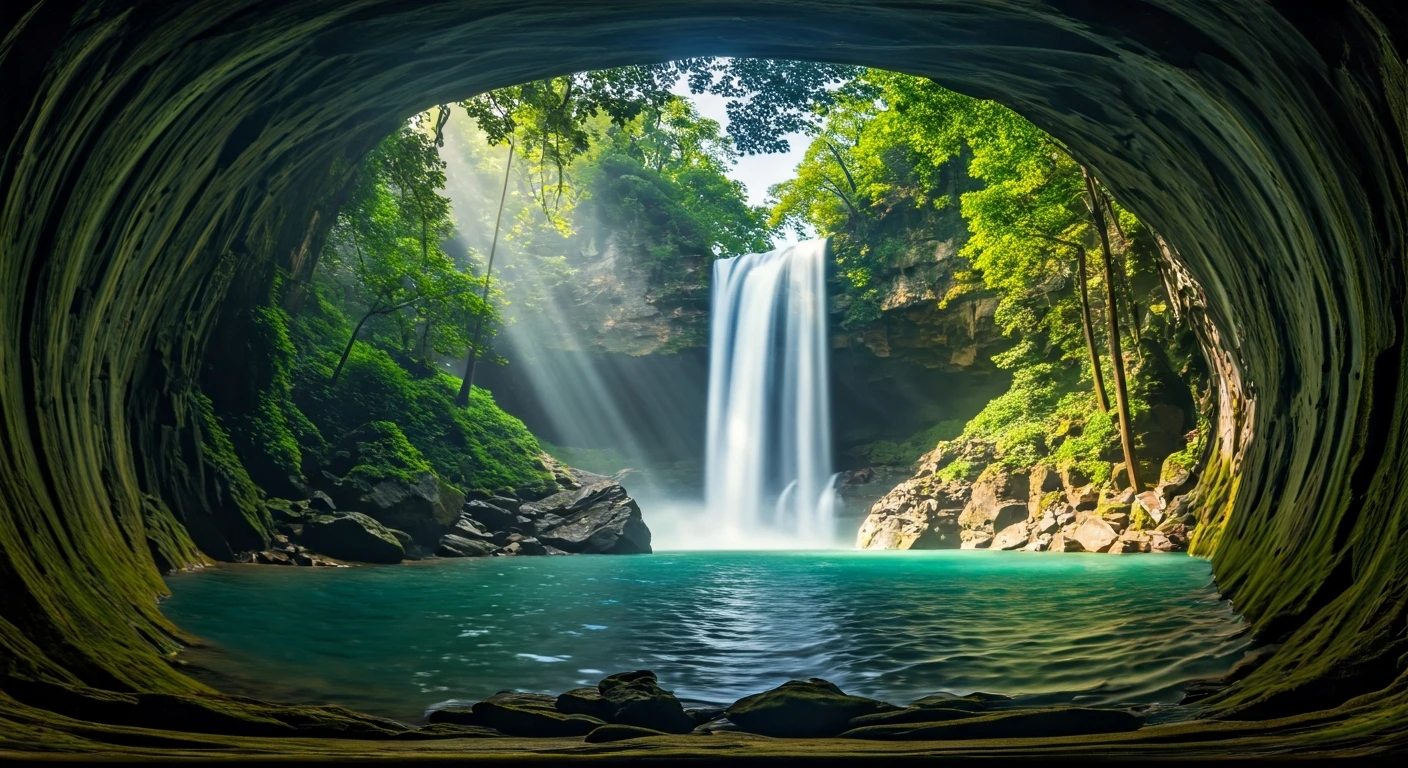
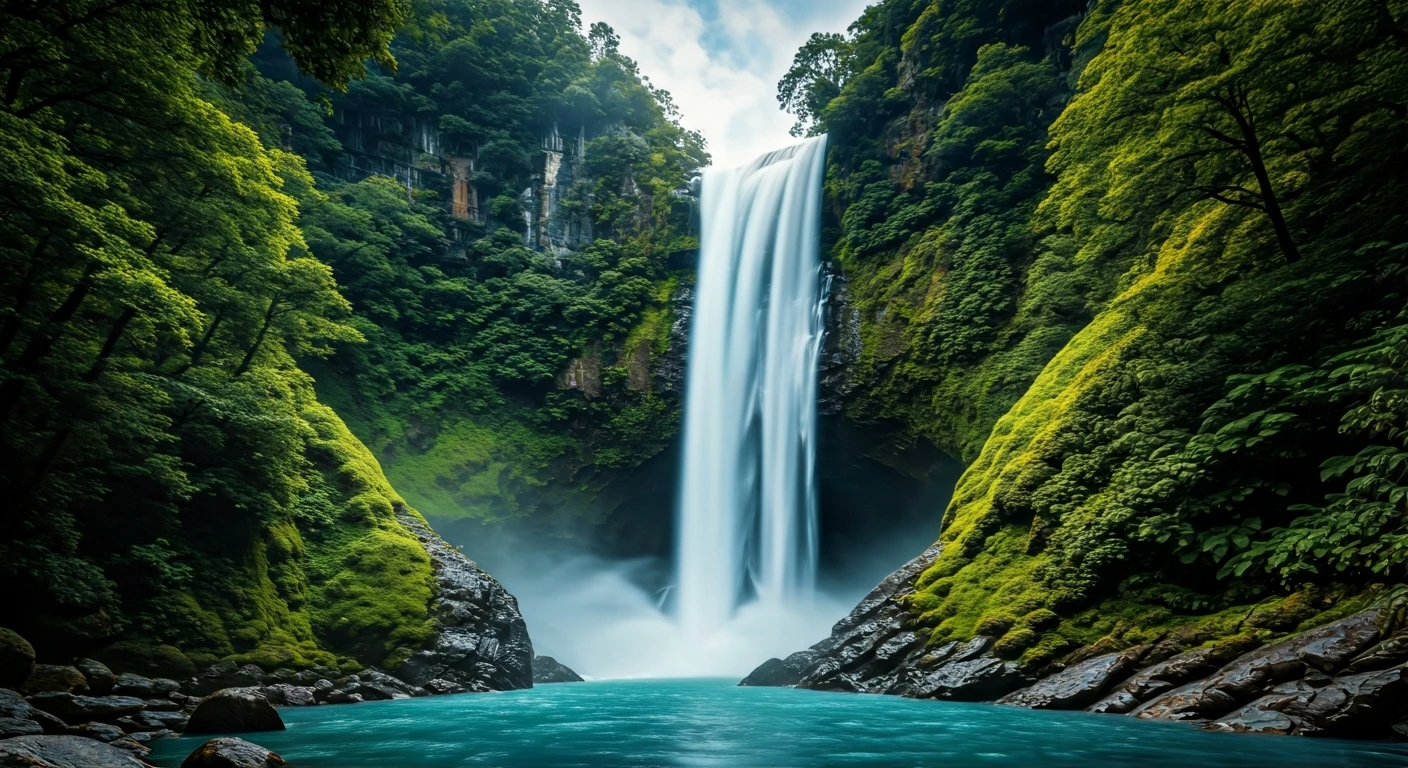
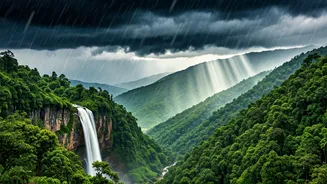
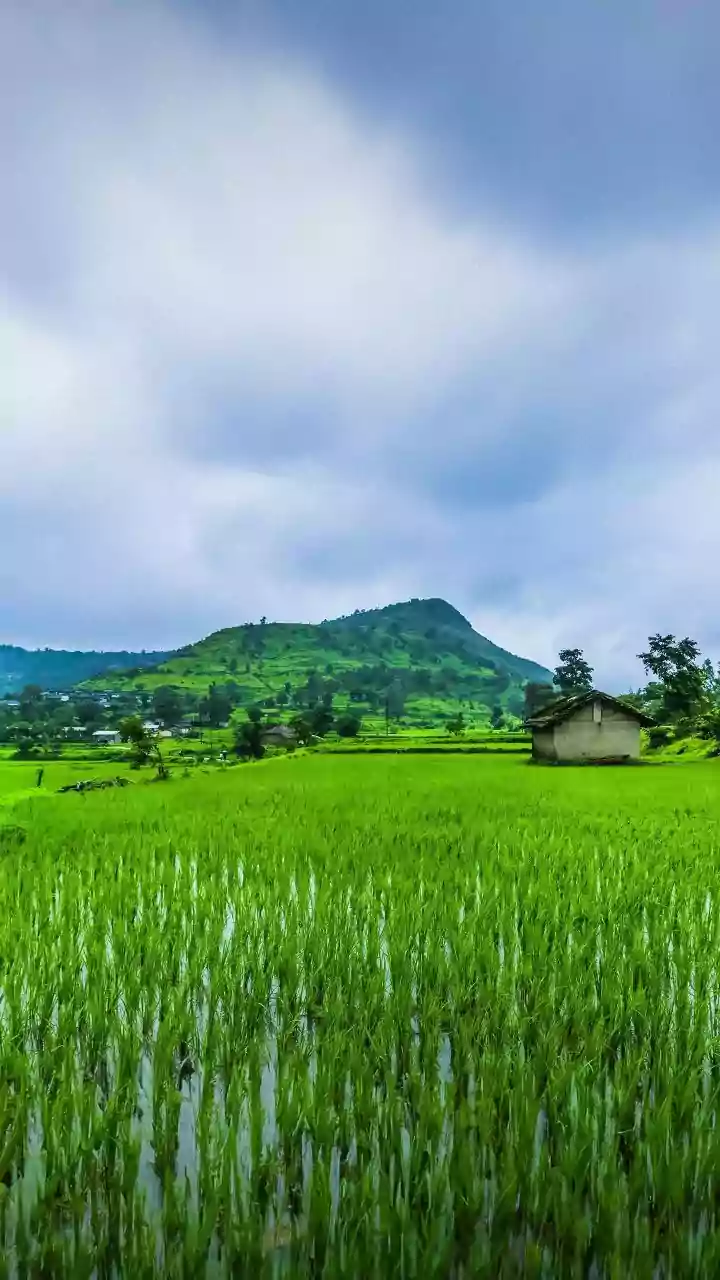
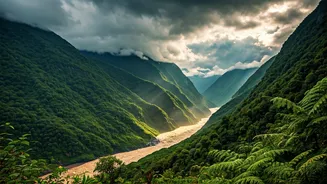
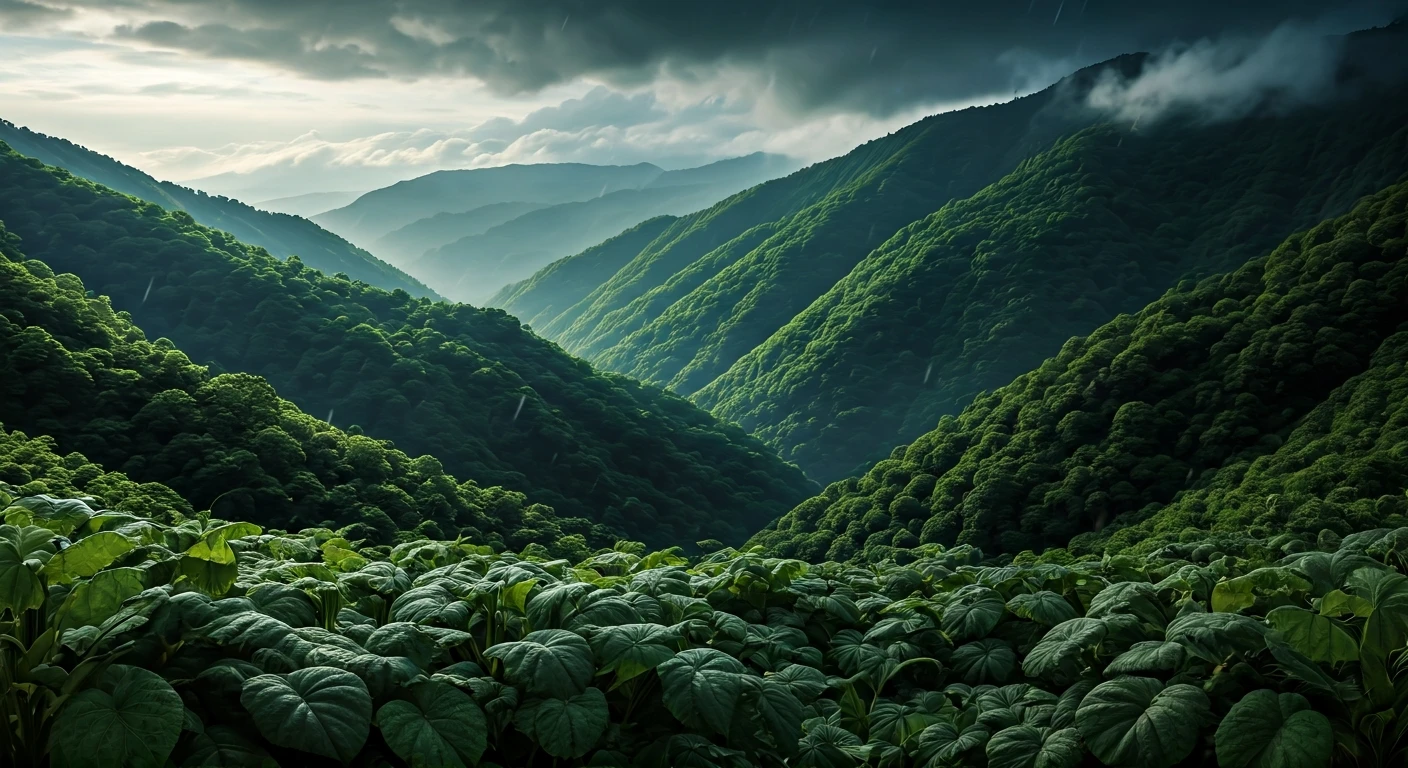
The term 'reel-ready' perfectly captures the visual transformation. Before the monsoon, the landscape can be dry and dusty. But when the rains arrive, it’s as if a switch is flipped and the world is rendered in high-definition green. Every shade imaginable blankets the rolling Khasi and Garo hills. Waterfalls, some of which are dry for months, suddenly thunder to life, cascading down cliffs in hundreds of dramatic streams. The air grows thick with the smell of petrichor—the earthy scent of rain on dry soil—and a low-hanging mist weaves through valleys, giving the entire region an ethereal, almost mystical quality. It’s a photographer’s and filmmaker’s dream, a place where nature puts on a show so grand and immersive that it feels intentionally designed for a camera lens. The world becomes a symphony of sound, from the steady drumming of rain on tin roofs to the roar of newly engorged rivers.
The Culture of the Clouds
For the people of Northeast India, the monsoon isn't a spectacle to be observed; it's a rhythm to live by. Generations of adaptation have led to incredible ingenuity. In Meghalaya, the Khasi and Jaintia tribes don’t build bridges; they grow them. Using the aerial roots of rubber fig trees, they guide them across rivers, weaving them into living structures that become stronger over time, perfectly suited to withstand the wet, corrosive environment. The local cuisine shifts, with foraged wild mushrooms and monsoon-specific greens appearing in markets. Life doesn't stop; it adapts. People huddle under 'knups,' large, dome-like wicker shields that act as personal, hands-free umbrellas. The monsoon is a time for indoor gatherings, storytelling, and a shared experience that binds communities together against the awesome power of nature.
Beauty's Double-Edged Sword
This cinematic beauty, however, comes with its own set of challenges. The same rains that create breathtaking waterfalls can also trigger devastating landslides, washing away roads and isolating entire villages for weeks. Rivers swell and flood plains, disrupting agriculture and daily life. The 'drama' of the monsoon is both aesthetic and literal, a source of immense beauty and significant hardship. This duality is central to understanding the region. The vibrant green is a product of a force powerful enough to both create and destroy. For residents, the monsoon is a respected, and sometimes feared, partner in the dance of life. For travelers, it's a stark reminder that the most profound beauty in our world is often found at the edge of chaos, in places where nature remains untamed, powerful, and unequivocally in charge.