



More Than Just a Pet
For many Millennials and Gen Z, the traditional timeline of marriage and children has been deferred or redefined. In its place, pets have stepped into a role of unprecedented significance. They aren't just animals; they are 'fur babies,' integral members
of the family who are showered with affection, high-quality food, and, increasingly, enriching experiences. This emotional elevation of pets from property to personhood is the foundation of the trend. When your dog is seen as a de facto child, you don’t just leave them in the backyard. You seek out shared activities that promote their well-being and deepen your bond. Taking a pet into nature is the ultimate expression of this caregiver mindset. It fulfills a perceived duty to provide a stimulating, healthy life for a cherished family member.
An Antidote to Digital Burnout
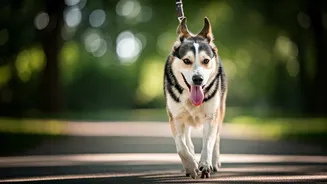
Growing up with a smartphone in hand has left younger generations acutely aware of the downsides of a hyper-connected, screen-saturated life. Digital detoxes are common, but the combination of a pet and a park offers a more sustainable, everyday escape. A dog doesn't care about your notifications; it cares about the squirrel in the next tree. A cat on a harness (a surprisingly common sight) is wholly absorbed by the scent of damp earth. This forces a powerful shift in focus. The simple, tangible demands of an animal in an outdoor setting—watching for trail hazards, providing water, celebrating their joyful sprint across a field—pull a person completely into the present moment. It's mindfulness, but with a wagging tail. This act of logging off and leashing up has become a crucial ritual for mental clarity and a powerful counterbalance to the anxiety of the online world.
From Personal Pet to Planetary Concern
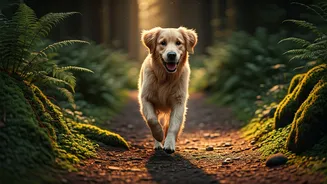
Today's youth are also the most environmentally conscious generation in history. They have inherited a planet in crisis, and it informs their consumer choices, their politics, and their values. The connection between their pet and nature works on two levels. First, it personalizes the environment. 'Nature' is no longer an abstract concept; it’s the forest where their dog loves to run, the creek where he cools his paws. An attack on the environment becomes an attack on their pet's favorite place. This fosters a fierce, protective instinct. Second, it's a way to live out their eco-values. They choose biodegradable poop bags, leashes made from recycled materials, and all-natural insect repellents. By being responsible stewards of their pet's experience in nature, they are practicing the very principles of environmental stewardship they wish to see on a larger scale. The love for their own animal expands into a broader compassion for the ecosystem that sustains all living things.
A Prescription for Well-Being
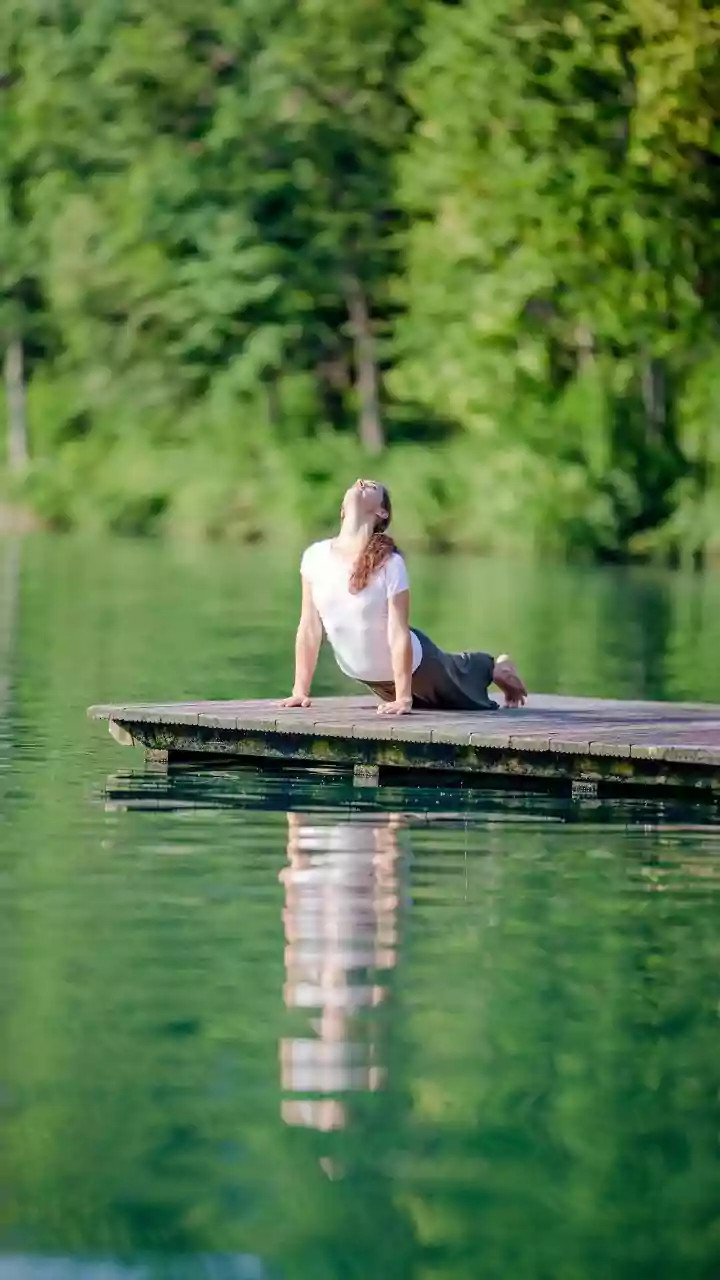
The conversation around mental health has never been more open, and young people are actively seeking tools to manage anxiety and stress. The benefits of both pet ownership and time in nature are well-documented, but the synergy of the two is what makes the combination so potent. A walk in the woods with a loyal companion isn't just one wellness activity; it's several rolled into one. It’s physical exercise, which releases endorphins. It's exposure to sunlight and fresh air, which can regulate mood. It's the grounding effect of being in a natural environment, often called 'ecotherapy.' And it's the unconditional, non-judgmental companionship of an animal. For a generation grappling with high rates of anxiety and loneliness, this multi-layered therapeutic experience isn't a luxury. It's a non-negotiable part of their self-care toolkit, as essential as therapy or medication for maintaining mental balance.