


Not Your Grandmother's Spice Rack
For decades, the American relationship with Indian spices was largely defined by a single, dusty jar of generic “curry powder.” It was a monolithic, often misunderstood flavor profile. But that’s changing, and fast. The current movement isn’t about a singular
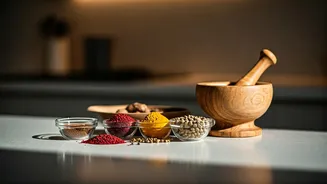
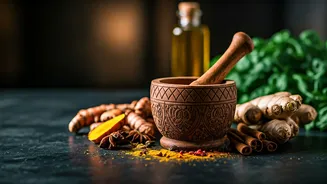
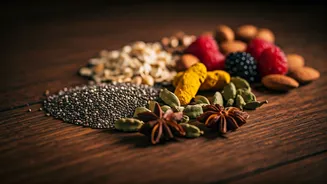
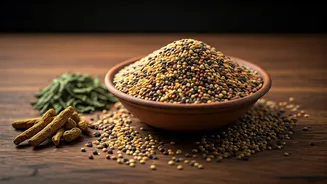
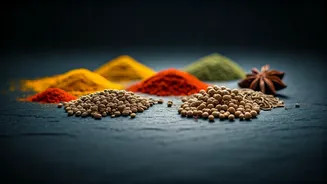
taste; it’s about a vibrant cast of individual characters. We’re talking about the earthy, bright bitterness of turmeric, the complex floral and citrus notes of cardamom, the sharp warmth of ginger, and the musky sweetness of cinnamon. These aren't just background notes anymore; they are the headliners. This shift reflects a broader culinary awakening in the U.S. As palates have become more adventurous, consumers are ready to appreciate the nuance and complexity that individual spices offer, treating them with the same reverence once reserved for fine wines or artisanal olive oils. They’re being uncoupled from the single idea of “Indian food” and integrated into the broader American culinary landscape.
The Wellness Industry Finds Its Flavor
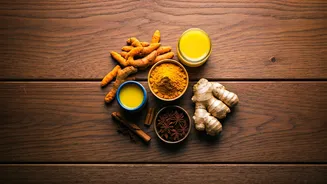
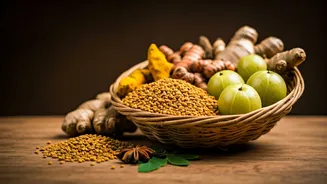
So, why now? A huge part of the answer lies in the explosive growth of the wellness and “clean food” movements. As Americans increasingly look for foods that don’t just taste good but also *do* something for them, Indian spices have emerged as a perfect fit. Many of these ingredients have deep roots in Ayurveda, the ancient Indian system of medicine, where they’ve been used for centuries for their perceived health benefits. Turmeric, with its active compound curcumin, is now marketed as a powerful anti-inflammatory. Adaptogens like ashwagandha are sold as stress-relievers. Ginger is the go-to for digestive health. The wellness industry, always on the hunt for the next “superfood,” found a treasure trove of ingredients with compelling backstories and marketable health halos. These spices offer a sense of ancient, natural wisdom that resonates deeply with a consumer base skeptical of processed foods and synthetic supplements. It’s a marketing match made in heaven: ancient tradition meets modern anxiety.
Meet the New Stars
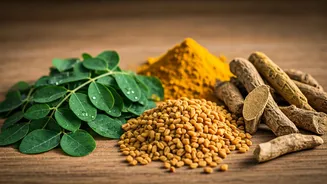
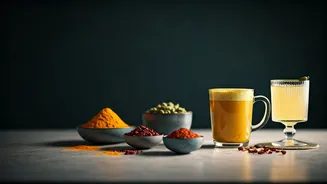
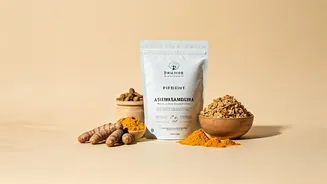
Leading the charge is turmeric, the undisputed gateway spice of the wellness world. Its vibrant golden hue is practically made for Instagram, turning everything from lattes to smoothie bowls into a photogenic health statement. But it’s not alone. Cardamom, both the green and black varieties, is making a sophisticated play in everything from coffee and baked goods to high-end cocktails, prized for its intricate, aromatic flavor. Meanwhile, ashwagandha has become the breakout star from the world of Ayurvedic adaptogens. Once a niche ingredient found only in specialty health stores, it’s now being blended into powders, chocolates, and drinks, promising to help modern consumers manage the stresses of daily life. What unites them is a combination of a unique flavor profile and a compelling functional story, allowing them to cross over from the kitchen to the wellness aisle.
Authenticity in Aisle Five
This mainstream explosion isn’t without its complexities. When ingredients with deep cultural and medicinal histories are rebranded as trendy wellness products, there’s always a risk of dilution and decontextualization. The practice of adding a pinch of turmeric to a latte, divorced from its broader culinary or Ayurvedic context, can feel like a form of cultural appropriation to some. However, this trend is also being driven and shaped by a new generation of Indian-American entrepreneurs and chefs. They are launching brands that celebrate these spices authentically, telling the stories behind them and educating consumers on their proper use. Companies like Diaspora Co. are championing single-origin, equitably sourced spices, reclaiming the narrative and ensuring that the farmers behind these powerful flavors are part of the success story. They are moving the conversation from a simplistic “health hack” to a deeper appreciation of culinary heritage.