




The New Numbers Game
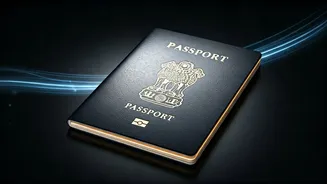
At the heart of this conversation is the Henley Passport Index, the industry-standard ranking of global travel documents. In its latest update, the Indian passport climbed to the 80th position globally. While that number might not sound like a chart-topper,
the real story is in the access it grants: visa-free entry to 62 countries. This is a tangible jump from just 57 countries the previous year, marking a significant improvement in mobility for its holders. This upward trend reflects a country's growing diplomatic clout and economic stability. For the everyday traveler, it translates directly into less paperwork, lower costs, and more spontaneous travel opportunities.
New Visa-Free Hotspots
The most exciting part of the improved ranking is the list of new destinations suddenly on the table. Several countries have recently relaxed their visa policies for Indian nationals, creating a fresh map of possibilities. Kenya, for instance, has gone completely visa-free, inviting travelers to explore its iconic savannas and wildlife. Southeast Asia has also become more accessible, with Malaysia and Thailand offering visa-free entry, perfect for island hopping, culinary adventures, and cultural immersion. Iran, a destination rich with ancient Persian history, also joined the list of countries offering visa-on-arrival or visa-free access. These aren't just minor additions; they represent major tourism hubs and culturally rich regions that are now easier to visit than ever before.
Why Is This Happening Now?
A passport's strength isn't arbitrary; it's a direct reflection of a nation's foreign relations and its perceived value on the world stage. India's growing economic influence and its proactive diplomatic efforts are key drivers behind this shift. As India positions itself as a global powerhouse, other nations are keen to strengthen ties, and easing travel restrictions is a powerful way to do so. Attracting Indian tourists, who are a rapidly growing demographic in the global travel market, is a significant economic incentive. Countries that open their doors are betting on an influx of visitors ready to spend on hotels, food, and local attractions. This creates a mutually beneficial relationship: India gains soft power and its citizens gain freedom, while host countries gain valuable tourism revenue.
How It Compares Globally
To put India's ranking in perspective, it's helpful to look at the global landscape. The top of the passport power list is dominated by countries like Singapore, Japan, and a host of European nations (France, Germany, Spain, Italy), whose citizens can access over 190 countries visa-free. The U.S. passport typically ranks high, currently sitting around 7th place with access to 188 destinations. Within its own region, India's passport is stronger than some of its neighbors but trails behind others like China, which grants access to over 80 countries. This places India firmly in the middle tier of global mobility—a position that has been steadily improving. The goal isn't just to climb the ranks but to continue fostering relationships that unlock more of the world for its citizens.