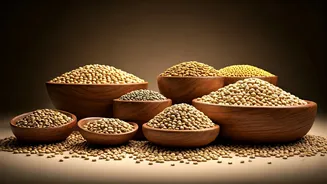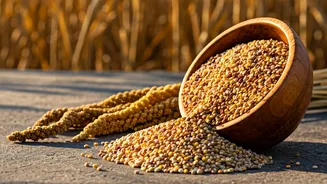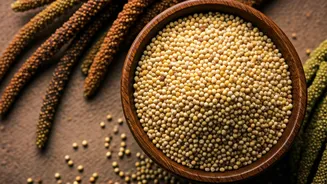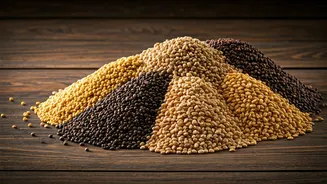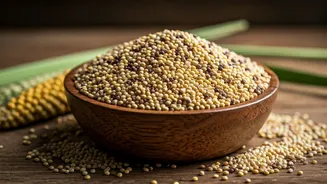



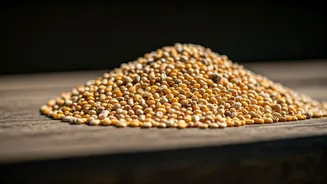
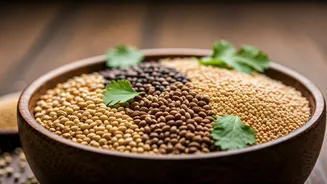
So, What Exactly Are Millets?
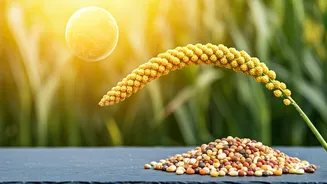
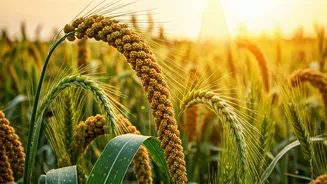
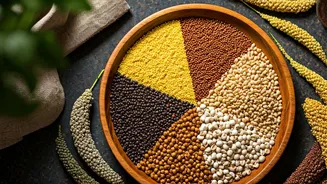
Before you dismiss them as another wellness fad, let’s get one thing straight: millets aren’t a single grain. They’re a family of small-seeded grasses that have been a staple food for thousands of years across Africa and Asia. Think of them as a category,
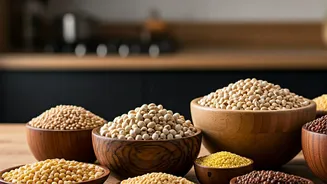
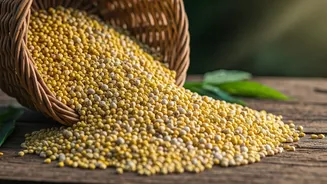
like “berries” or “squash.” The group includes varieties like pearl, foxtail, proso, and fonio, each with its own subtle flavor and texture. For a long time in the United States, the primary market for millet was, frankly, for the birds. But what much of the world has known for millennia is finally catching on here: these tiny grains are incredibly versatile and packed with potential. They can be cooked into a creamy porridge like oats, fluffed up as a substitute for rice or quinoa, ground into flour for baking, or even puffed into a crunchy snack. Their mild, slightly nutty flavor makes them a perfect blank canvas for spices, herbs, and sauces.
The Ultimate Nutritional Upgrade
The term “superfood” gets thrown around a lot, but millets make a strong case for the title. First and foremost, they are all naturally gluten-free, making them a fantastic and nutrient-dense option for people with celiac disease or gluten sensitivity. Unlike many processed gluten-free products, millets are a whole food, delivering benefits without a long list of additives. They are also a protein powerhouse, offering more protein per serving than many other common grains. Combined with their high fiber content, this makes them exceptionally good at promoting satiety, keeping you feeling full and satisfied longer. This one-two punch helps stabilize blood sugar levels, avoiding the spikes and crashes associated with refined carbohydrates. Beyond protein and fiber, millets are rich in essential minerals like magnesium (crucial for nerve function and heart health), phosphorus, and iron.
Good for You, Better for the Planet
The “smart choice” aspect of millet’s resurgence goes far beyond personal health. In an era of increasing climate uncertainty, these grains are an agricultural hero. Often called “climate-smart crops,” many varieties of millet are incredibly resilient. They are naturally drought-tolerant, requiring significantly less water than crops like rice, corn, or wheat. They can thrive in poor, infertile soil without the need for excessive fertilizers, which reduces chemical runoff into waterways. This hardiness makes millet a profoundly sustainable choice. By diversifying our food systems to include crops that are less demanding on natural resources, we build a more resilient and responsible agricultural future. The United Nations even declared 2023 the “International Year of Millets” to promote their potential to provide nutritious food and support farmers in challenging environments. Choosing millets is a small way consumers can vote with their forks for a more sustainable food system.
Rediscovered in the Modern Kitchen
Chefs and food innovators are leading the charge, reintroducing millets to the American palate in creative and delicious ways. You’ll find them as the base for vibrant, vegetable-packed grain bowls in fast-casual restaurants. Artisanal bakeries are using millet flour to add a unique texture and nutritional boost to bread and pastries. Food startups are turning them into everything from puffed snacks and breakfast cereals to plant-based pastas and even craft beer. This culinary revival is making it easier than ever for home cooks to experiment. A bag of whole millet is no longer a specialty item found only in health food stores; it’s increasingly available in mainstream supermarkets. Its quick cooking time—often just 20-25 minutes—makes it a convenient choice for a weeknight dinner, far less intimidating than some other ancient grains.