




The Old School 'Wild' Flex
For the better part of a decade, social media fitness was dominated by a singular aesthetic. The goal was to look like a hero, not necessarily to be one. This was the age of “fitspo” (fitness inspiration) that often felt more like “fit-shaming.” The flex
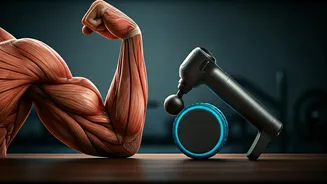
was visual and extreme: impossibly low body fat, bulging biceps, and meticulously curated meal prep containers filled with plain chicken and broccoli. It was a competition of aesthetics, a race to a static image of perfection. Workouts were often judged by their intensity, not their intelligence. Think tire flips until you drop, burpees until you cry, or ill-advised stunts that looked great on a 15-second clip but were a physical therapist’s nightmare. The implicit message was that pain and suffering were the currency of progress. Health was secondary to the look of health. This culture celebrated the “shred” and the “bulk,” but rarely the sustainable, day-in-day-out practice of actual wellness.
The New 'Smart' Bragging Rights
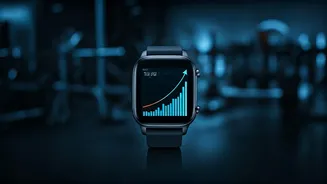
Slowly, then all at once, the goalposts moved. The new fitness flex is less about the mirror and more about the data. It’s a screenshot of a near-perfect sleep score from an Oura ring, or a Whoop recovery graph showing you’re primed for peak performance. It’s a video of a technically flawless Olympic lift, where the celebration is about form, not just the weight on the bar. It’s the quiet confidence of knowing your Heart Rate Variability (HRV) instead of just your one-rep max. This smarter approach prioritizes function, skill, and longevity. The new heroes aren’t just bodybuilders; they’re “hybrid athletes” who run ultramarathons one month and compete in powerlifting the next. They’re gymnasts mastering calisthenics, yogis perfecting a difficult inversion, or everyday people celebrating their newfound pain-free mobility. The flex is no longer a static photo, but a demonstration of capability. It’s about showing you’ve done the research, mastered the technique, and are building a body that’s resilient for decades, not just for a summer beach season.
Why Data Became the New Six-Pack
Several factors drove this cultural shift. First and foremost is the explosion of wearable technology. Devices from Apple, Garmin, Whoop, and Oura have democratized access to personal health data. Suddenly, everyone has a lab on their wrist, tracking everything from sleep cycles to blood oxygen levels. This has gamified wellness in a new way, turning internal metrics into shareable, competitive stats. Second, there’s been a growing backlash against the toxic side of old-school fitspo. Audiences grew tired of the relentless pressure for an unattainable body type and the associated mental health toll. The rise of wellness gurus who speak the language of science—think neuroscientist Andrew Huberman or longevity doctor Peter Attia—has provided a compelling alternative. Their massive popularity proves there’s a public hunger for evidence-based protocols over simplistic “go hard or go home” mantras. They’ve made understanding your physiology the ultimate status symbol.
From 'Look at Me' to 'Learn with Me'
The change is also reflected in the content itself. The old flex was a declaration: “Look at my results.” The new flex is an invitation: “Here’s my process.” Influencers are now more likely to share a full workout with detailed notes on form, a breakdown of their supplement stack with links to research, or their journey of overcoming an injury through intelligent rehabilitation. This shift rewards expertise and authenticity over mere genetic luck or extreme behavior. It fosters a community built on shared knowledge rather than shared envy. You’re more likely to see a post celebrating a new personal record in a 5K, accompanied by a chart of training progress, than a disembodied torso with a caption about “no days off.” The flex is becoming more holistic, acknowledging that true fitness is a complex interplay of training, nutrition, sleep, and mental health.