

The Daily Dose of Dahi
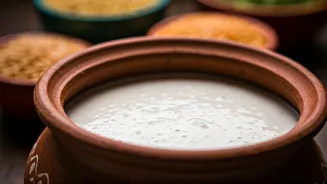
In many American homes, yogurt is a breakfast item, often sweetened and fruit-flavored. In a traditional Indian household, however, plain, homemade yogurt—or *dahi*—is a non-negotiable part of lunch and dinner. This isn’t just for taste; it's functional.
Dahi is packed with live bacterial cultures, the very probiotics that people now pay a premium for in capsule form. Indian grandmothers, or *Nanas*, have always known that a small bowl of dahi alongside a spicy meal cools the system and aids digestion. It’s used to make cooling *raita* (a yogurt-based dip with vegetables and spices) or refreshing *lassi* (a yogurt drink). This daily, natural infusion of beneficial bacteria helps maintain a balanced gut microbiome, the foundation of digestive wellness.
Fermentation as a Friend
The concept of fermenting foods for health is booming in the U.S., with kombucha and kimchi leading the charge. But South Indian cuisine has centuries-old staples built on this very principle. Dishes like *idli* (steamed rice cakes) and *dosa* (a savory crepe) are made from a batter of rice and lentils that is left to ferment overnight. This process does two wonderful things: it creates a distinctive, slightly sour flavor, and more importantly, it pre-digests the starches and proteins. The fermentation process increases the bioavailability of nutrients like B vitamins and iron, making them easier for the body to absorb. It also introduces more gut-friendly microbes. Nanas knew that a light, fluffy idli wasn't just delicious—it was gentle and nourishing for the stomach.
The Art of the Spice Box
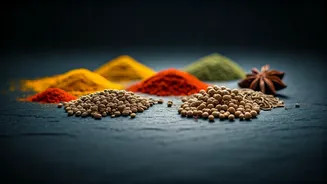
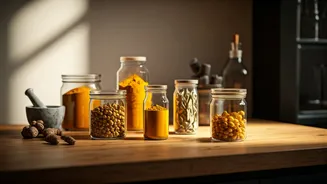
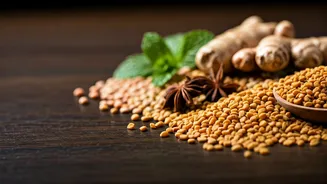
The Indian spice box, or *masala dabba*, is the heart of the kitchen, and it’s essentially a culinary pharmacy. These aren't just for flavor; each spice was chosen for its digestive properties. Turmeric, with its active compound curcumin, is a powerful anti-inflammatory. It's almost always paired with black pepper, which contains piperine—a compound that dramatically increases curcumin absorption. Ginger is a well-known carminative, helping to quell nausea and aid digestion. Cumin seeds are used to relieve bloating and gas, while asafoetida (*hing*), a pungent resin, is often added to lentil dishes specifically to make them less gaseous and easier to digest. This wasn't guesswork; it was a system of synergistic ingredients designed to make food both delicious and digestible.
The Humble Power of Pulses
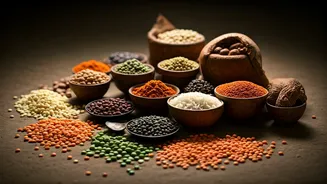
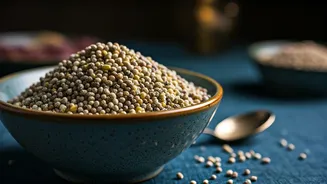
A simple bowl of *dal*, or lentil soup, is arguably the soul of Indian home cooking. Beyond being an affordable source of protein, lentils, beans, and legumes are packed with dietary fiber. This fiber is a *prebiotic*—it acts as food for the beneficial bacteria already living in your gut. By feeding your internal ecosystem, you help it thrive. A happy, well-fed microbiome is better at regulating everything from digestion to immunity. The traditional Indian diet, with its heavy emphasis on a wide variety of dals and legumes, provides a constant supply of this essential fuel. It's a simple, elegant solution for long-term gut maintenance that doesn't require a fancy supplement.
Ghee: A Misunderstood Super-Fat
Ghee, or clarified butter, has had a complicated reputation in the West, often unfairly lumped in with unhealthy fats. But in Ayurveda and Indian home cooking, it's considered liquid gold. When butter is clarified, the milk solids are removed, leaving a pure fat that's rich in butyrate. Butyrate is a short-chain fatty acid that is a primary energy source for the cells lining your colon. A strong gut lining is crucial for preventing inflammation and a condition known as "leaky gut." Used in moderation for sautéing spices (*tadka*) or drizzling over rice and dal, ghee not only adds a rich, nutty flavor but also actively helps to nourish and heal the gut wall. It’s a perfect example of how Nana’s cooking prioritized gut integrity long before it was a buzzword.