


The Ancient Grain Making a Comeback
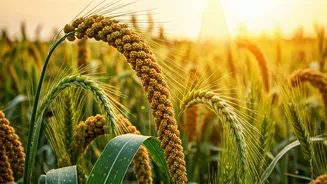
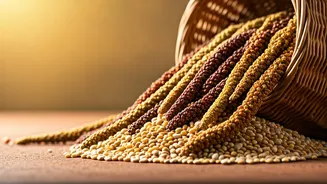
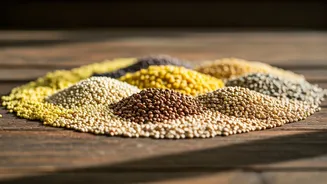
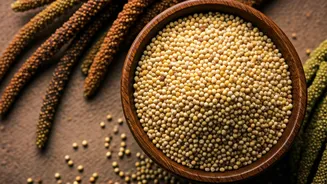
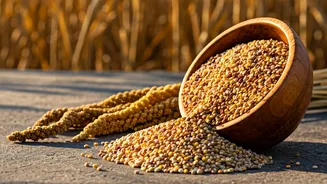
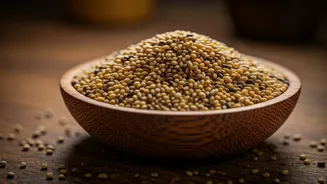
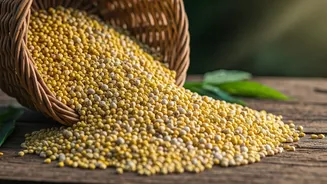
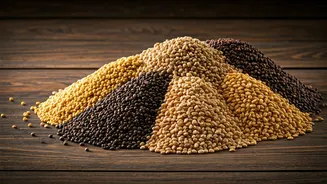
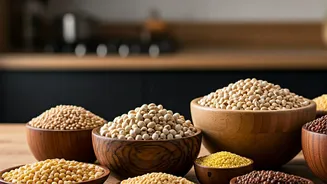
If you've noticed little pearled grains popping up on restaurant menus or in the bulk bins at your local health food store, you're not alone. Millets, a group of small-seeded grasses, are having a major renaissance. Often mistaken for a single type of grain,
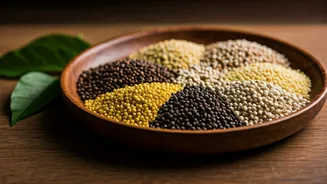
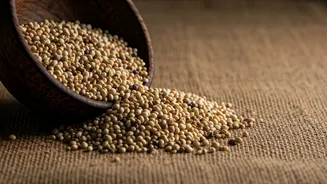
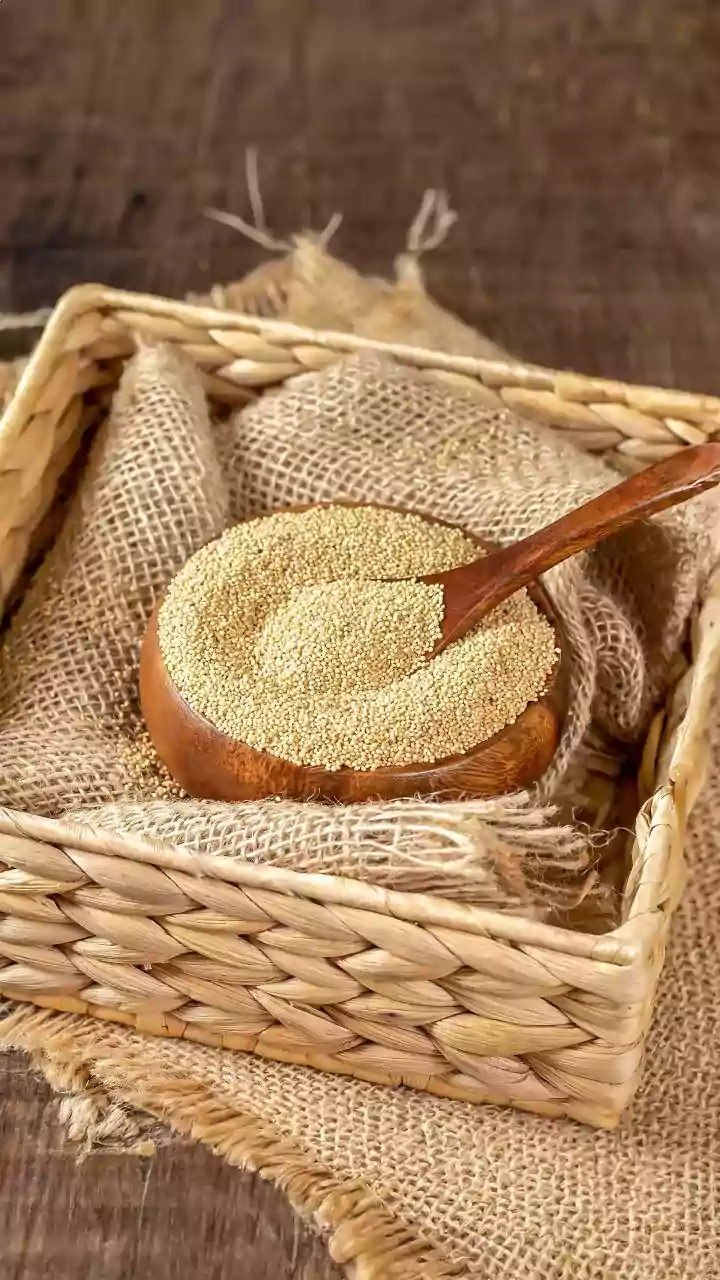
"millet" is actually a catch-all term for several distinct species, including sorghum (jowar), pearl millet (bajra), and finger millet (ragi). For thousands of years, these were staple foods across Africa and Asia, providing sustenance long before wheat and rice became globally dominant. In the modern American pantry, they may seem new, but their return is a story of rediscovery. They offer a nutty, slightly sweet flavor and a versatile texture that can be creamy like polenta, fluffy like couscous, or hearty like oatmeal, making them an easy substitute in a variety of familiar dishes.
A Modern Nutritional Powerhouse
The buzz around millets isn't just about novelty; it's backed by serious nutritional credentials. For starters, all millets are naturally gluten-free, making them an excellent choice for individuals with celiac disease or gluten sensitivity. But their benefits go much further. They are packed with protein, fiber, and essential minerals like magnesium, phosphorus, and iron. This high fiber content does more than just aid digestion; it also contributes to a feeling of fullness, which can help with weight management. Furthermore, millets generally have a low glycemic index compared to refined grains, meaning they release sugar into the bloodstream more slowly. This helps prevent energy spikes and crashes, making them a smart choice for sustained energy and for managing blood sugar levels, a growing concern for many Americans.
The Ultimate Climate-Smart Crop
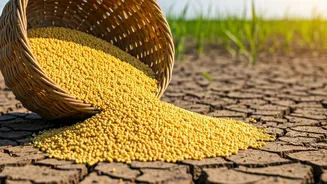
Perhaps the most compelling argument for millets in the 21st century is their practicality from an agricultural standpoint. These are remarkably hardy and resilient plants. Often called a "miracle grain" by agricultural scientists, millet thrives in arid, hot climates and poor soil where other crops like wheat and corn would fail. They require significantly less water, making them a profoundly sustainable choice in an era of increasing water scarcity and climate uncertainty. Their short growing season allows for multiple harvests, providing a reliable food source for farmers. This incredible toughness isn't just a historical footnote; it’s a forward-looking solution, positioning millets as a key crop for ensuring global food security in a changing world.
India's Enduring Food Heritage
While new to many in the West, millets are foundational to Indian culinary history. Archaeological evidence shows they were cultivated on the subcontinent as far back as 3000 BCE. For centuries, they were the bedrock of rural and regional diets, appearing in rustic flatbreads (*bajra ki roti*), savory porridges (*khichdi*), and steamed cakes (*ragi mudde*). However, the Green Revolution of the 1960s prioritized high-yield wheat and rice, pushing millets to the margins where they became unfairly known as "poor people's food." Today, that narrative is being rewritten. The Indian government, along with chefs and nutritionists, is championing a massive millet revival, even spurring the United Nations to declare 2023 the International Year of Millets. This effort is a proud reclamation of heritage—a recognition that these grains are not just practical and healthy, but a deep-rooted and delicious part of Indian identity.