





A Kingdom in the Clouds
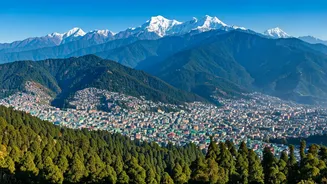
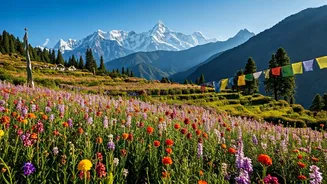
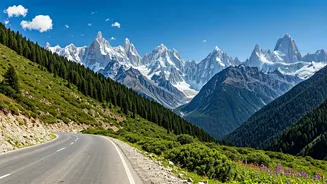
Imagine a landscape painted in extremes. Deep, rhododendron-filled valleys carve their way up to jagged peaks that tear at the sky. This is Sikkim, a former Buddhist kingdom that feels more spiritually aligned with neighboring Tibet than with the bustling
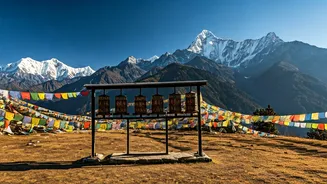
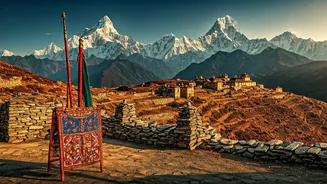
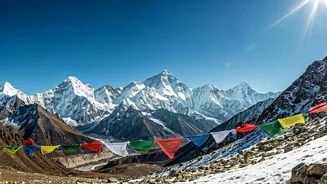
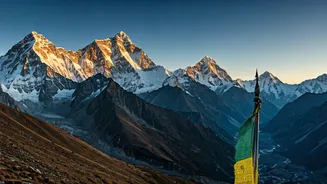
plains of India. At its heart is the mighty Kangchenjunga, the third-highest mountain on Earth, which isn't just a geographical feature here; it's a guardian deity, a sacred presence that defines the horizon and the soul of the people. It’s into this breathtaking arena that Sikkim’s most vibrant cultural expressions are staged. For travelers, it means that almost any moment here is framed by a view that demands to be captured, a scale that humbles both the visitor and their camera lens.
Where Ritual Meets Scenery
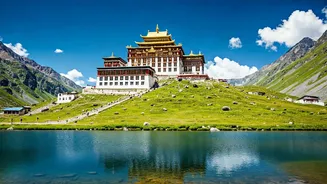
While Sikkim hosts numerous festivals, few are as visually compelling as Saga Dawa. Typically held in May or June, it’s a month-long holy period in Tibetan Buddhism commemorating the birth, enlightenment, and passing of Buddha. The most photogenic events happen on the full moon day, when monasteries like the famous Rumtek or Pemayangtse become open-air theaters of faith. Picture this: hundreds of monks in robes of maroon and saffron form a procession, their chants echoing in the thin mountain air. They carry sacred scriptures on their heads, while laypeople trail behind, spinning prayer wheels and murmuring mantras. The air is thick with the scent of juniper incense and the low, guttural blast of long copper horns called 'dungchen,' their sound rolling across the valleys.
The Ultimate Photo Backdrop
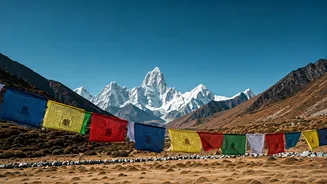
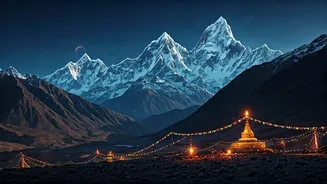
This is where the term “shareable” transcends marketing jargon and becomes an understatement. The visual contrast is staggering. In the foreground, you have this explosion of color and movement: the deep reds of the monks’ robes, the brilliant silks of ceremonial hats, the gold of sacred objects. And in the background, towering above it all, is the serene, almost monochromatic majesty of the Himalayas. The white and gray rock of the mountains, capped with brilliant snow under a piercing blue sky, creates a natural frame that is both dramatic and profound. It’s a composition that no set designer could ever hope to replicate. Every snapshot captures a story—a collision of fleeting human devotion and geological eternity. Your camera roll quickly fills with images that look like stills from a Terrence Malick film, each one a testament to why this place feels so otherworldly.
More Than Just a Pretty Picture
But to see Sikkim’s festivals as mere photo ops is to miss the point entirely. The spectacle is inseparable from its spiritual meaning. The masked 'Chaam' dances, for example, aren't just performances; they are sacred rituals that depict the triumph of good over evil and ward off destructive spirits. The vibrant, sometimes fearsome-looking masks represent deities and demons from Buddhist mythology. Every spin, every stomp, is a form of meditation and prayer. For the Sikkimese people, the mountains are alive, the festival is a reaffirmation of their place in the cosmos, and the rituals are a direct line to the divine. The 'shareable' beauty is simply a byproduct of a culture deeply intertwined with its environment, where faith is expressed with a vibrancy that naturally captivates the eye.