







The Gamification of Sweat
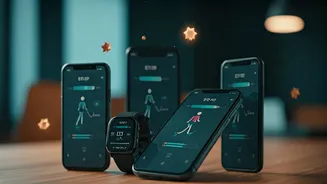
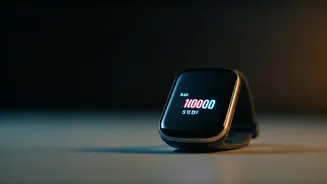
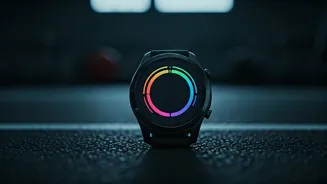
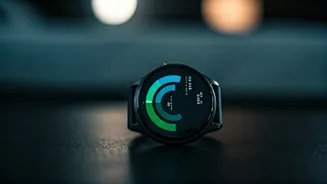
If you own a smartwatch or fitness tracker, you’re part of a massive, unspoken game. The goal? Hit the daily targets. For Apple Watch users, it’s about “closing your rings”—a trifecta of goals for moving, exercising, and standing. For Fitbit and Garmin
loyalists, it might be hitting 10,000 steps, climbing a certain number of floors, or logging a specific number of “active zone minutes.” This phenomenon is called gamification: the application of game-design elements to non-game contexts. By turning exercise into a series of daily quests with clear rewards—vibrating congratulations, shiny digital badges, and unbroken “streaks”—tech companies have successfully hacked our motivation. The abstract goal of “being healthier” is replaced by the concrete, immediate satisfaction of hitting a number.
The Dopamine of Done
There’s a powerful psychological reason this works so well. Each time you close a ring or hit a step goal, your brain gets a small hit of dopamine, the neurotransmitter associated with pleasure and reward. This creates a positive feedback loop. Completing a small goal feels good, which makes you want to do it again tomorrow. For many, this system is revolutionary. It’s a powerful antidote to inertia, providing the nudge needed to take the stairs instead of the elevator or go for that evening walk. Daily milestones provide structure and accountability where there was none. They lower the bar for success from a vague, long-term aspiration (losing 20 pounds) to a simple, daily objective (walk for 30 minutes). This consistency is the bedrock of any successful fitness regimen, and in this respect, the daily chase is an incredible force for good.
When Data Turns Dark
But there’s a darker side to this digital motivation. For a growing number of people, the daily milestone isn’t a gentle suggestion; it’s a tyrannical command. The pressure to maintain a streak can become a source of profound anxiety. A rest day, once a healthy part of training, now feels like a failure. A low-battery warning can induce panic. Instead of listening to their bodies—to signs of fatigue, soreness, or illness—users find themselves marching in place before bed just to satisfy an algorithm. The focus shifts from the qualitative feeling of well-being to the quantitative, and often arbitrary, metric on a screen. When a missed goal triggers feelings of guilt or shame, the tool is no longer serving the user. It has, in a very real sense, become the master.
Finding a Healthier Metric
So, how do we keep the motivation without inviting obsession? The key is to reclaim control and use these tools with intention. Experts suggest that while data is useful, it should be one of many inputs, not the only one. The most important metric is still the one that can’t be tracked: how you feel. The goal should be to build a relationship with your tracker where it serves as a helpful guide, not a drill sergeant. This might mean manually adjusting goals to be more realistic for your lifestyle or deliberately taking days off from tracking altogether to reconnect with the simple joy of movement. It's about remembering that fitness is a marathon, not a series of daily sprints. Breaking a digital streak to let your body recover isn't a failure; it's an advanced form of success.