





The Great Home Reassessment
For generations, a home was defined by location, square footage, and the number of bedrooms. But after spending months on end within the same four walls, a global shift occurred. Our homes became our offices, gyms, schools, and restaurants, exposing their
limitations. This forced reckoning has redefined 'luxury' in real estate. It's no longer about gilded faucets or marble floors, but about something far more valuable: well-being. This phenomenon is particularly visible in India's booming property market. In bustling metropolises like Mumbai, Delhi, and Bengaluru, homebuyers are increasingly rejecting cramped, poorly ventilated apartments in favor of spaces that actively contribute to their physical and mental health. This isn't just a fleeting preference; it’s a fundamental change in market demand that developers are scrambling to meet.
Defining the 'Wellness Home'
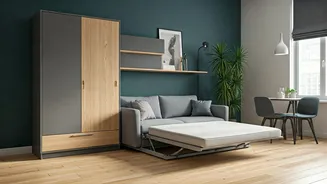
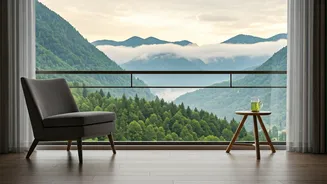
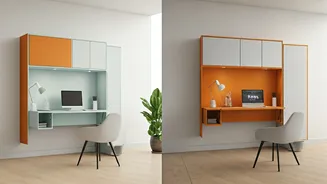
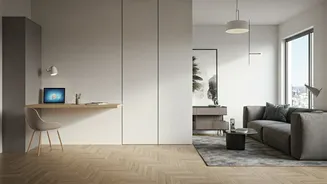
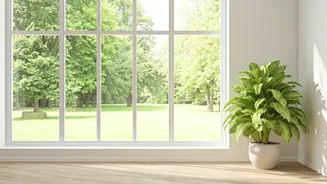
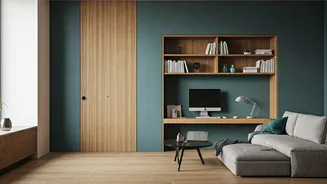
So, what exactly is an “airy, wellness-driven” space? It’s a design philosophy centered on human health. A key component is maximizing natural light and ventilation—think large windows, high ceilings, and floor plans that encourage cross-breezes. Another pillar is biophilic design, which involves integrating nature into the built environment. This goes beyond a few potted plants; it means incorporating natural materials like wood and stone, offering views of green spaces, and designing homes with balconies, terraces, or private gardens where residents can connect with the outdoors. These homes also prioritize function-driven zones: dedicated home offices that are separate from living areas, quiet nooks for meditation or reading, and spaces that can accommodate a yoga mat or home workout equipment. The goal is to create an environment that reduces stress, improves air quality, and promotes a healthier lifestyle organically.
India’s Unique Real Estate Response
While the desire for wellness is global, its execution in India has a distinct flavor. Developers are moving away from building monolithic towers packed with identical, sterile units. Instead, new projects are being marketed with wellness as their central feature. Gated communities now boast of amenities like reflexology paths, oxygen-infusion zones, organic vegetable gardens, and expansive yoga pavilions. Inside the apartments themselves, features once considered high-end are becoming standard. Builders are offering larger balconies (often called 'decks'), layouts that ensure no room is without a window, and the use of non-toxic paints and building materials. In a market long characterized by a trade-off between location and space, a growing segment of buyers is now willing to move slightly further from city centers to secure a home that delivers on these new wellness promises.
A Glimpse into the Future of Living
It’s easy to view this trend as specific to India, but that would miss the larger point. What's happening there is a clear and powerful signal of where residential design is headed globally, including in the United States. The core desires—for more light, better air, a connection to nature, and spaces that adapt to our multifaceted lives—are universal. American homebuyers are already showing similar preferences, gravitating toward properties with home offices, outdoor living areas, and improved air filtration systems. The Indian market simply provides a concentrated case study of these priorities in action at scale. It demonstrates that 'wellness architecture' is no longer a niche concept for the ultra-wealthy but is rapidly becoming a mainstream expectation for the modern home.