


A Waterfall Called the 'Sea of Milk'
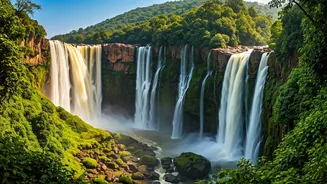
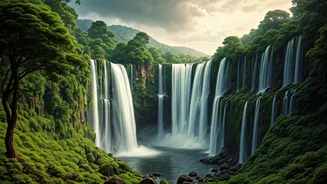
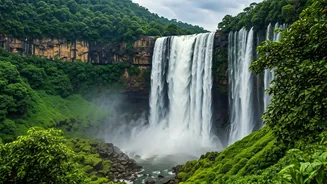
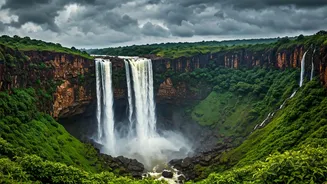
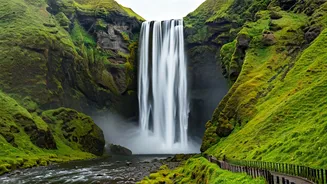
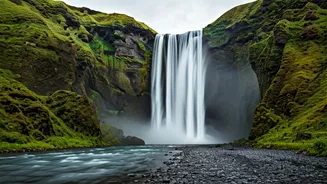
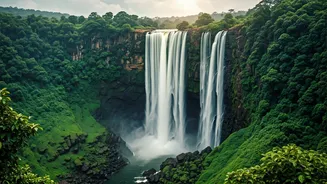
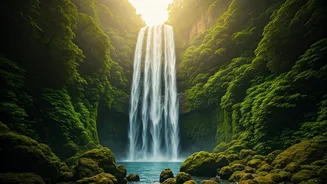
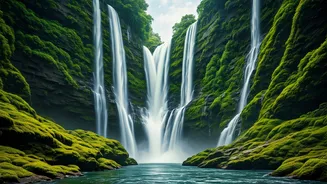
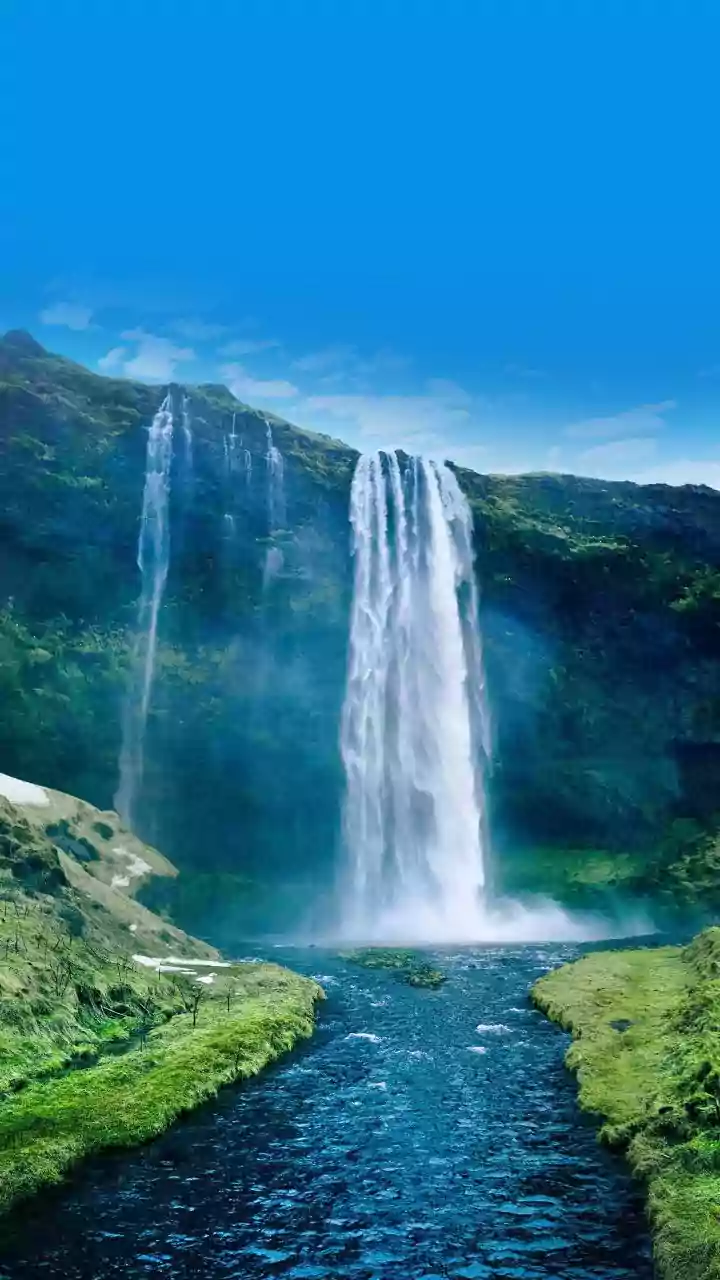
Plunging over 1,000 feet from a steep, forested cliff face on the Mandovi River, Dudhsagar Falls is one of India's tallest and most dramatic waterfalls. Its name translates to “Sea of Milk,” a poetic-yet-accurate description for the visual it creates.
As the water cascades down the four-tiered rock face, it becomes a thick, churning, white torrent that looks less like water and more like a colossal volume of milk being poured from the heavens. Located on the border of Goa and the neighboring state of Karnataka, the falls are nestled within the Bhagwan Mahaveer Sanctuary and Mollem National Park, a protected area teeming with biodiversity. This isn't a roadside attraction; it's a force of nature tucked deep inside a verdant wilderness.
Why the Monsoon Is Pure Magic
While Dudhsagar flows year-round, the monsoon season (roughly June to October) is when it truly earns its reputation. The seasonal rains swell the Mandovi River, transforming the falls from a powerful stream into a thundering, awe-inspiring behemoth. The sheer volume of water creates a deafening roar that echoes through the valley and sends a fine, cool mist into the air that you can feel long before you see the base. The surrounding jungle, fed by the constant moisture, becomes impossibly lush and vibrant green. During the dry season, the falls are thinner and the rocks more exposed. But in the monsoon, Dudhsagar is an overwhelming sensory experience—a display of raw, untamed natural power that makes you feel profoundly small.
The Journey Is Part of the Adventure
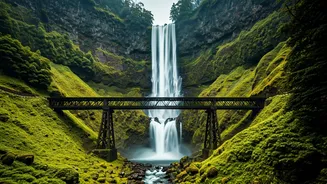
Reaching Dudhsagar is an adventure in itself, adding to the reward. The most common and exciting way to get there is by a registered jeep safari from the village of Kulem. The 45-minute journey takes you on a bumpy, unpaved track through the national park, fording streams and navigating muddy terrain. It’s a rugged ride that immerses you in the Goan hinterland. Upon arrival, a short hike brings you to the viewpoint at the base of the falls. Another iconic, though less direct, way to witness Dudhsagar is by train. The railway line from Vasco da Gama to Londa passes directly over a stone bridge midway up the falls. For a few breathtaking seconds, passengers are treated to a spectacular, panoramic view of the cascade, a sight made famous in Indian cinema and a bucket-list moment for photographers.
How to Plan Your Visit
To see the falls at their peak, plan your trip for late in the monsoon, from August to October, when the heaviest rains have subsided but the water volume is still immense. Jeep safaris are operated by a local association in Kulem, and it’s wise to arrive early, as demand is high. Wear quick-drying clothes and sturdy, water-friendly shoes with good grip, as the rocks near the falls are slippery. A waterproof bag for your phone and camera is essential. While swimming in the plunge pool at the base is sometimes permitted, it can be extremely dangerous and is often prohibited during the peak monsoon due to the powerful currents. Always follow the instructions of local guides and authorities. Pack light, but bring water and snacks, as facilities are limited once you enter the park.