








Why Monsoon Rain Is Different
A monsoon storm isn’t just a heavy rain shower. It’s a deluge of water falling on hard, often sun-baked ground that can’t absorb it quickly. This creates a massive volume of surface runoff in a very short period. Unlike a gentle spring rain that soaks
into the lawn, monsoon water behaves more like a flash flood across your property. If your home’s drainage system isn’t prepared to handle this sudden onslaught, the water has to go somewhere—and that somewhere is often your foundation, crawl space, or basement. Ignoring drainage is essentially gambling that this year’s storms will be mild. It's a bet few homeowners win in the long run.
Start at the Top: Gutters and Downspouts
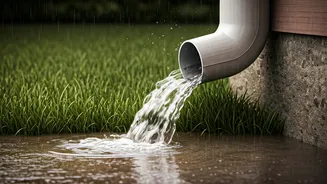
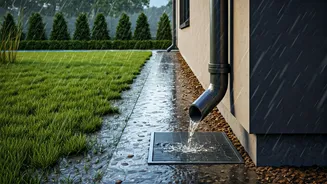
Your roof is a massive water collection surface. During a one-inch rainfall, a 2,000-square-foot roof can shed over 1,200 gallons of water. Your gutters and downspouts are the front line of defense. Before the season begins, a thorough cleaning is non-negotiable. Remove all leaves, dirt, and debris that have accumulated. A clogged gutter will overflow, sending water cascading down your home’s siding and pooling directly against the foundation—the exact scenario you want to avoid. Also, check that downspouts are securely attached and that they direct water at least five to ten feet away from your house. Extensions are a cheap and highly effective upgrade if your downspouts currently dump water right next to the foundation.
Look Down: Grading and Ground-Level Flow
Even with perfect gutters, you’re in trouble if the ground around your house slopes the wrong way. This is called 'negative grading,' where the land directs water *toward* your foundation instead of away from it. Take a walk around your home. Does the soil or pavement clearly slope away from the walls? If you see areas where water pools or the ground is sunken near the foundation, you have a problem. The fix can be as simple as adding compacted soil to create a 'positive grade'—a gentle slope of at least one-quarter inch per foot for the first five to ten feet. For patios and walkways, ensure that any cracks are sealed to prevent water from seeping down next to your foundation.
Check Your Window Wells and Drains
Basement windows are a common entry point for water. If you have window wells, make sure they are completely free of leaves and debris. A clogged window well drain turns the well into a small aquarium right next to your window. It’s also wise to ensure any yard drains or French drains are clear. These systems are designed to capture and redirect large amounts of surface water but are useless if they are blocked by silt, grass clippings, or other yard waste. A quick check with a garden hose can confirm they are flowing freely.
Warning Signs of a Drainage Problem
How do you know if you already have a drainage issue? Look for the tell-tale signs. After a storm, do you see standing water near your house that lasts for hours? Inside, check for musty smells in the basement or crawl space, damp spots on concrete walls (efflorescence, a white, chalky residue), or new cracks appearing in the foundation. Outside, look for soil erosion around the foundation or patches of yard where grass struggles to grow. These are all symptoms of a system that isn't moving water away effectively, and they are your final warning to take action before a major monsoon storm causes catastrophic damage.