




More Than Just a Comfy Bed
At first glance, “sleep tourism” might sound like a marketing gimmick for a decent hotel room. But it’s a far more intentional and holistic concept. This growing niche in the wellness travel sector involves trips designed specifically to improve sleep quality.
Travelers aren't just booking a room; they're booking an experience centered entirely on rest and rejuvenation. This can range from multi-day immersive retreats to specialized programs at luxury hotels. The destination is secondary to the goal: to disconnect, reset your circadian rhythm, and learn sustainable habits to take back home. Instead of a 'vacation you need a vacation from,' the entire point is to return home feeling genuinely restored.
A Symptom of a Sleepless Nation
The rise of sleep tourism isn’t happening in a vacuum. It’s a direct response to a very American problem: chronic burnout. According to the CDC, more than a third of American adults don't get the recommended seven hours of sleep per night. The culprits are familiar: relentless work cultures, the 24/7 glow of screens, financial stress, and the lingering anxiety of a post-pandemic world. Our nervous systems are perpetually in overdrive. For many, sleep has become another item on a long to-do list—something to be optimized or even sacrificed. Sleep tourism taps into the profound exhaustion that results, offering a structured, permission-based escape where rest is not just allowed, but is the main event.
What a 'Sleep Vacation' Looks Like
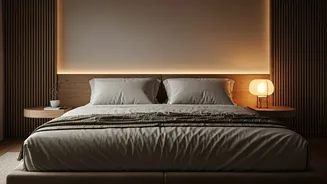
So, what do you actually get for your money? The offerings are surprisingly sophisticated. High-end hotels like Equinox in New York and Six Senses resorts have become pioneers in this space. A typical sleep-focused stay might include rooms engineered for perfect slumber, with features like total blackout curtains, soundproofing, and temperature-regulating bedding. Many offer “pillow menus” with options for every type of sleeper. Beyond the hardware, there's the software: access to sleep-tracking technology like Oura rings, consultations with on-site sleep coaches or doctors, and guided meditation sessions. The experience often extends to nutrition, with menus designed to promote rest (think magnesium-rich foods and chamomile tea) and amenities like aromatherapy, customized soundscapes, and even IV drips for hydration and nutrients.
Is It a Solution or a Luxury?
Critics might argue that commodifying sleep is a sign of a broken system—a pricey band-aid on a cultural wound that requires a deeper fix. After all, a weekend at a five-star “sleep hotel” is not an accessible solution for most. And they have a point. The trend underscores a stark reality where deep, restorative rest is increasingly becoming a luxury good. However, there's another way to look at it. The very existence of sleep tourism forces a conversation about the value we place on rest. It validates the idea that sleep is not a passive activity but an essential pillar of health, on par with diet and exercise. It signals a cultural shift, however slow, away from lionizing 'hustle' and toward embracing the fundamental need for recovery.