


An Ancient Food Gets a Modern Makeover
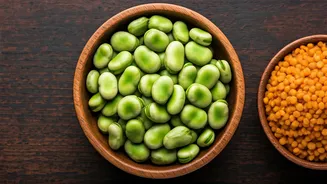
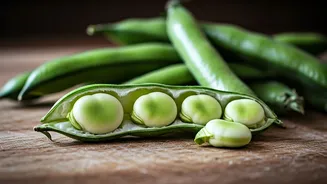
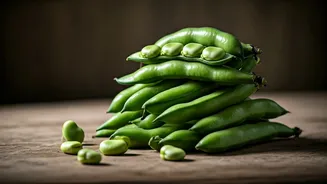
If you’ve only encountered fava beans as a fleeting springtime delicacy—those bright green beans that require a bit of work to peel—you’ve only seen part of the picture. Also known as broad beans, favas are one of the world's oldest cultivated plants,
with a history stretching back thousands of years across the Middle East, Europe, and Africa. For much of human history, they were a dietary staple, providing crucial protein and fiber.While they've always been cherished in traditional cuisines, their recent surge in popularity isn't just about rustic Italian pastas or Egyptian ful medames. Food scientists and manufacturers have rediscovered the fava bean, realizing its unique properties make it an ideal candidate to power the next generation of plant-based foods. This isn't just a bean; it's a high-performance ingredient.
The Undisputed Protein Punch
So, what’s all the fuss about? It starts with the nutrition label. A single cup of cooked fava beans packs a remarkable 13 grams of protein and 9 grams of fiber, making it incredibly satiating. This potent combination helps regulate blood sugar, supports digestive health, and keeps you feeling full longer. Unlike some plant proteins, fava beans also provide a good source of essential micronutrients, including folate, manganese, copper, and iron.But the real magic for the food industry lies in fava protein isolate—a powder made by removing the fiber and starches. This concentrate can be up to 90% protein, putting it on par with whey and soy. Crucially, it has a much more neutral flavor profile than the distinctive taste of pea protein, and it lacks the allergen concerns associated with soy. This makes it a versatile, almost invisible workhorse for enriching everything from protein shakes to cereals.
The Secret Ingredient in Your Next Meal
The next time you grab a carton of plant-based milk or a vegan burger, check the ingredients list. You might be surprised to find fava beans playing a starring role. Their mild taste and excellent emulsifying properties—the ability to help mix oil and water—make them perfect for creating creamy, smooth textures in dairy alternatives, vegan mayonnaises, and dressings.In the world of meat substitutes, fava protein provides a satisfying, hearty structure without the beany aftertaste that can plague other products. Companies are using it to improve the texture and nutritional profile of everything from plant-based chicken nuggets to deli slices. Because it gels and binds so well, it’s helping formulators create more convincing and delicious alternatives that appeal even to dedicated meat-eaters. It's the silent partner making plant-based food better.
A Win for the Planet, Too
The appeal of fava beans extends beyond the kitchen and into the field. As a legume, fava beans are a nitrogen-fixing crop. This means they have a symbiotic relationship with soil bacteria that allows them to pull nitrogen from the air and convert it into a nutrient in the soil. In simple terms, they create their own fertilizer and even leave some behind for the next crop.This incredible trait reduces the need for synthetic nitrogen fertilizers, which are energy-intensive to produce and can contribute to water pollution and greenhouse gas emissions. Fava beans are a key player in regenerative agriculture, helping to improve soil health, increase biodiversity, and create a more sustainable food system. Choosing favas isn’t just good for your body; it’s a vote for a healthier planet.
How to Get Started with Favas
Ready to give them a try? You have options. In the spring, you can find fresh fava pods at grocery stores and farmers' markets. They require a two-step peeling process: first from the main pod, then blanching the individual beans for 30 seconds to easily slip off the tough outer skin. The tender, bright green kernels inside are sweet and creamy, perfect for smashing onto toast with ricotta and mint, or tossing into salads and pastas.For a year-round, hassle-free option, look for canned or dried fava beans. Canned versions are ready to use in stews, soups, or dips. Dried favas need to be soaked overnight but cook up beautifully into a hearty base for grain bowls or a simple, satisfying side dish seasoned with garlic and olive oil. Don’t be intimidated; their rich flavor and nutritional benefits are well worth the effort.