




What Is Functional Fitness, Really?
At its core, functional fitness is exercise that mimics and prepares your body for real-world activities. Think about your daily routine: you bend down to pick things up, carry groceries, lift a child, push a lawnmower, or twist to grab something from
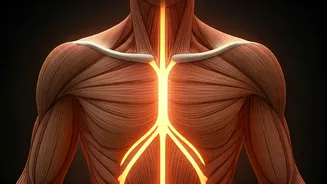
the back seat of your car. Functional training builds strength, coordination, and stability in these exact movement patterns. This stands in contrast to some traditional gym workouts that isolate specific muscles—like a bicep curl. While isolating muscles has its place, functional fitness focuses on training muscle groups to work together seamlessly, just as they do outside the gym. It’s less about building a 'mirror body' and more about building a body that moves through the world with ease and confidence.
The 'Youthful Energy' Payoff
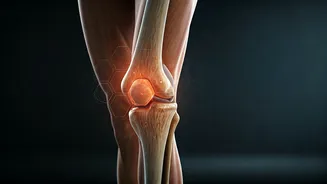
The headline's promise of 'infinite youthful energy' might be an exaggeration, but the feeling it describes is real. When your body is strong and efficient in its daily movements, life becomes less physically taxing. Carrying a load of laundry up the stairs doesn't leave you winded. A long day of yard work results in satisfaction, not a week of back pain. This is where the 'energy' comes from: you’re expending less effort on basic tasks, leaving you with more stamina for the things you enjoy. Furthermore, by improving balance, posture, and core stability, functional fitness is one of the most effective ways to prevent the everyday injuries that can sideline us. It builds a resilient, adaptable body that’s less prone to the tweaks, strains, and falls that can make us feel old before our time.
The Five Primal Movements to Master
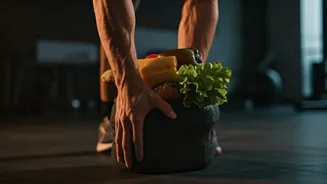
Most functional exercises can be boiled down to a few foundational human movements. By mastering these, you’re preparing your body for nearly any physical task life throws at you. 1. **Push:** (e.g., Push-ups, Overhead Press). This trains you for pushing open a heavy door, getting up from the floor, or placing something on a high shelf. 2. **Pull:** (e.g., Rows, Pull-ups). Essential for pulling open doors, starting a lawnmower, or picking up a heavy object. 3. **Squat:** (e.g., Goblet Squats, Bodyweight Squats). The fundamental pattern for sitting down, standing up, and lifting heavy items correctly from the floor. 4. **Hinge:** (e.g., Deadlifts, Kettlebell Swings). This strengthens the posterior chain (glutes, hamstrings, back) for bending over safely to pick something up without straining your lower back. 5. **Carry:** (e.g., Farmer's Walk). This builds grip strength and core stability, directly translating to carrying groceries, a suitcase, or a child.
How to Get Started Simply
You don't need a high-tech gym or a complex routine to begin. The beauty of functional fitness is its accessibility. Start with your own body weight. Practice perfect-form bodyweight squats, focusing on sitting back as if into a chair. Try doing push-ups against a wall or countertop before moving to the floor. See how long you can carry a moderately heavy grocery bag in each hand while maintaining good posture. The goal is to master the movement pattern with quality before adding significant weight. If you’re unsure about your form, investing in a few sessions with a certified personal trainer can be invaluable. They can assess your movement patterns, correct imbalances, and design a program that safely and effectively helps you reach your goals.