






The End of the Diet Monolith
For decades, the world of dieting operated on a simple, alluring premise: one person discovered a nutritional secret, and that secret could be the answer for everyone. Think of the monolithic power of the Atkins diet in the early 2000s, or the South Beach
and Paleo crazes that followed. Each had its moment as *the* answer, creating a culture of dietary dogma where cutting out entire food groups was presented as a universal path to health and weight loss. We were told that what worked for a celebrity, a doctor, or a bestselling author should work for us. But for millions, it didn’t. The relentless cycle of trying a diet, feeling like a failure when it didn't stick, and moving on to the next trend left many people frustrated, convinced the problem was their lack of willpower—not the flawed, one-size-fits-all premise itself.
It’s In Your Genes, Literally
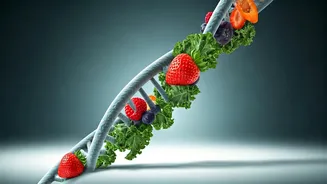
The first major crack in this monolith came from within our own bodies: our DNA. The field of nutrigenomics studies how our unique genetic makeup influences the way we respond to the foods we eat. It provides a scientific explanation for why your coworker can drink coffee at 4 p.m. and sleep like a baby, while the same habit would leave you staring at the ceiling at midnight. Your genes can determine how quickly you metabolize caffeine, whether you’re predisposed to high cholesterol in response to saturated fat, or how efficiently your body processes nutrients like folate. This isn't about having 'good' or 'bad' genes; it’s about having information. Your personal genetic code acts as a biological instruction manual that no generic diet plan could ever hope to replicate, making a case for tailoring food choices to your specific blueprint.
You’re Eating for Trillions
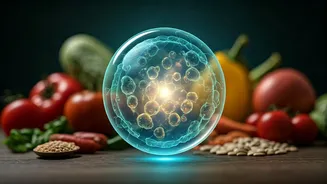
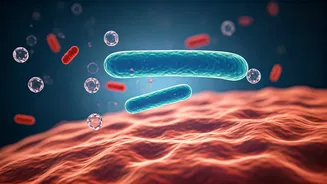
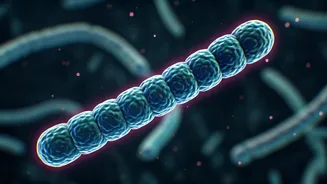
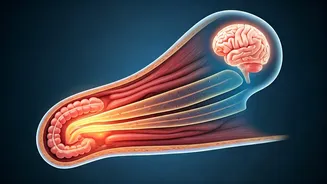
If genetics opened the door to personalization, the study of the gut microbiome blew it off its hinges. Your digestive tract is home to trillions of bacteria, fungi, and other microbes that form a complex ecosystem known as the microbiome. This internal garden is as unique as your fingerprint and plays a critical role in everything from digestion and immune function to mood and mental clarity. Groundbreaking research has shown that two people can eat the exact same meal—a banana, for instance—and have wildly different blood sugar responses based on the composition of their gut bacteria. For one person, it might provide a steady stream of energy; for another, it could cause a sharp spike and crash. This helps explain why a high-fiber diet feels fantastic for one person but causes bloating and discomfort for another. The new understanding is that you aren't just eating for yourself; you're eating for your microbial allies.
From Weight Loss to Wellness
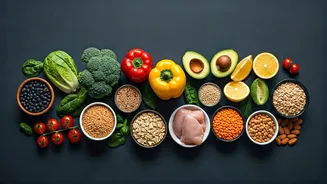
The final piece of the puzzle is a profound cultural shift. For generations, the primary goal of dieting was singular: weight loss. Success was measured in pounds and inches. Today, that narrow focus is expanding to a more holistic concept of 'wellness.' People are now chasing better sleep, sustained energy throughout the day, clearer skin, improved athletic performance, and sharper mental focus. This broader view recognizes that the number on the scale is an incomplete, and often misleading, proxy for overall health. A diet that leaves you exhausted, irritable, and socially isolated isn't a success, even if you lose five pounds. The new goal is sustainable vitality. This shift makes it clear that the 'best' diet is the one that makes you feel good in your body and mind, a metric that is, by its very nature, deeply personal.