
The Old Guard Makes Way
For decades, the pinnacle of dining in India was found within the opulent walls of five-star hotels. They offered impeccable service and a familiar, often European-inspired, vision of luxury. It was safe, predictable, and catered primarily to tourists
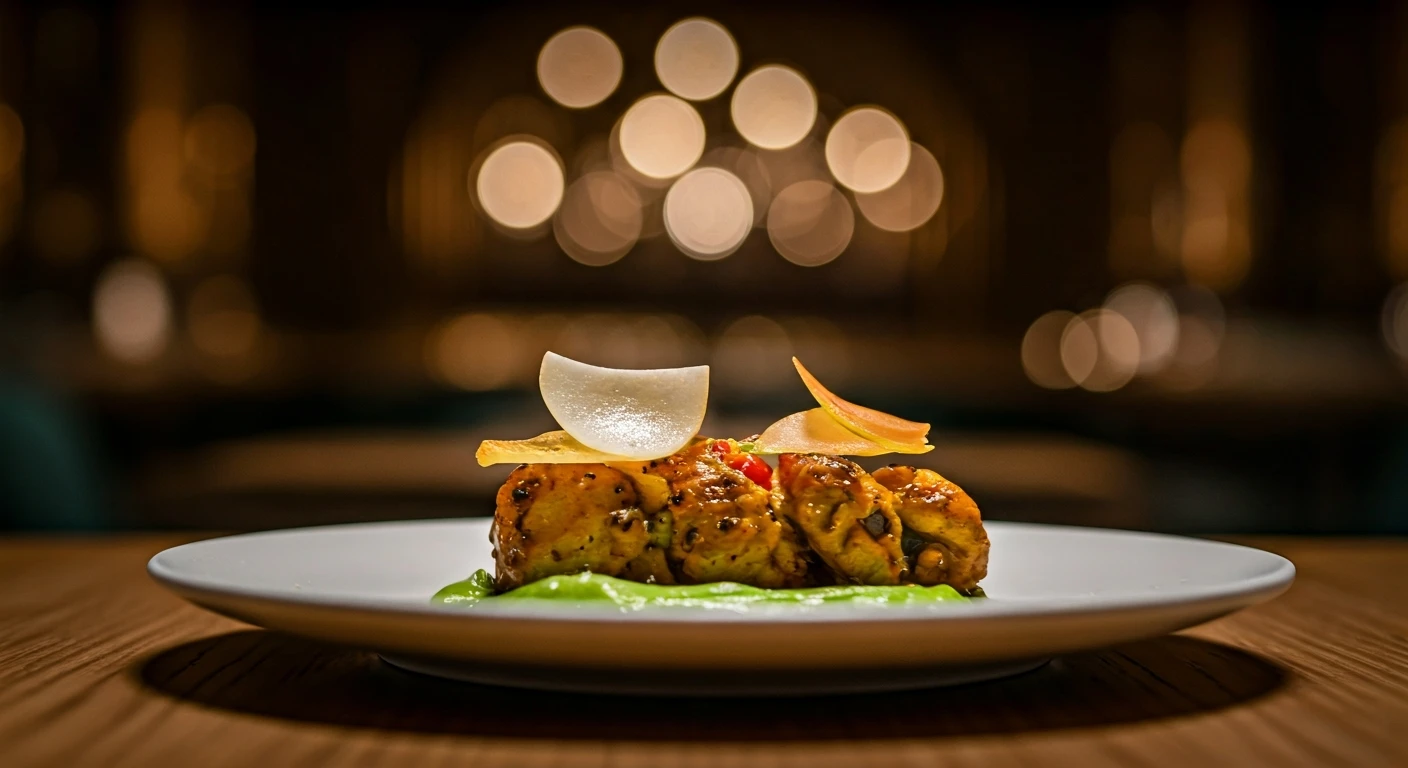
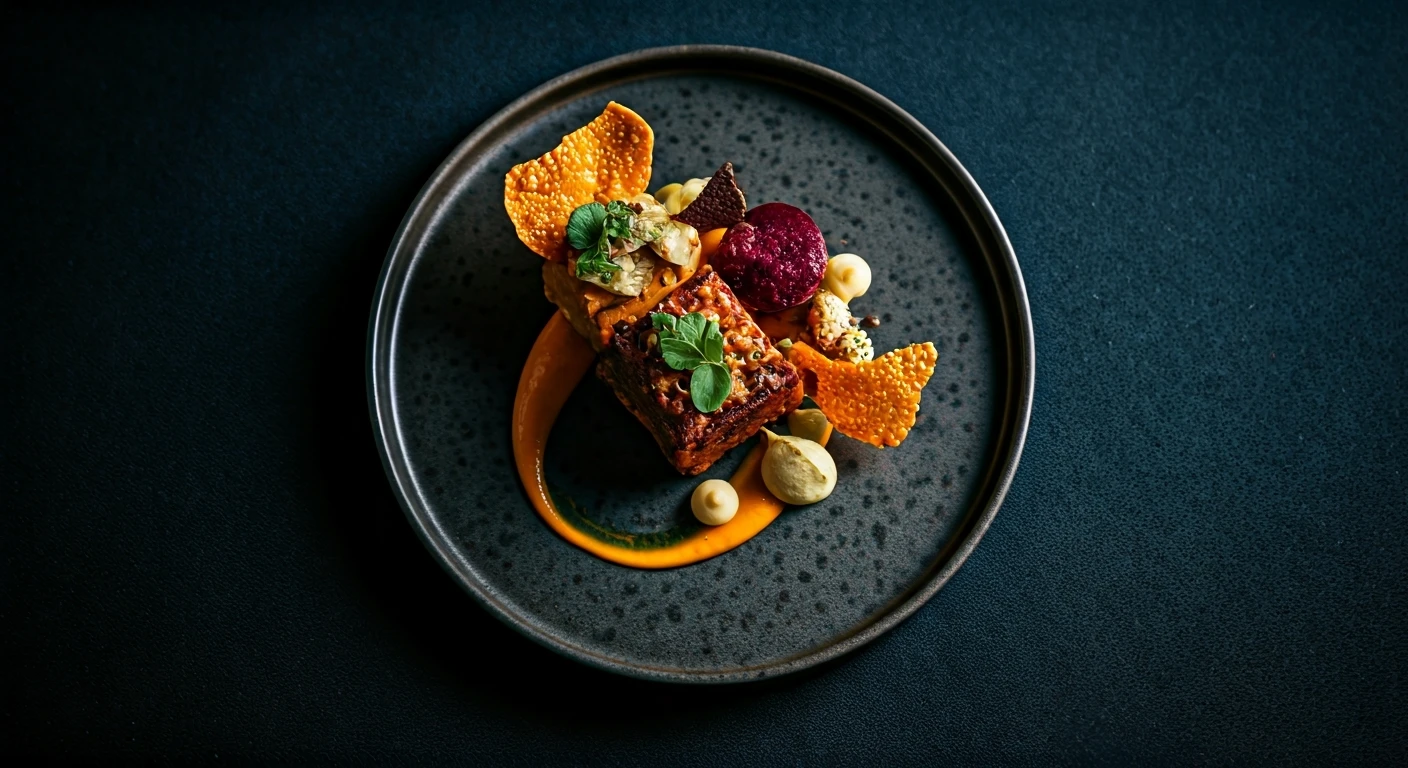
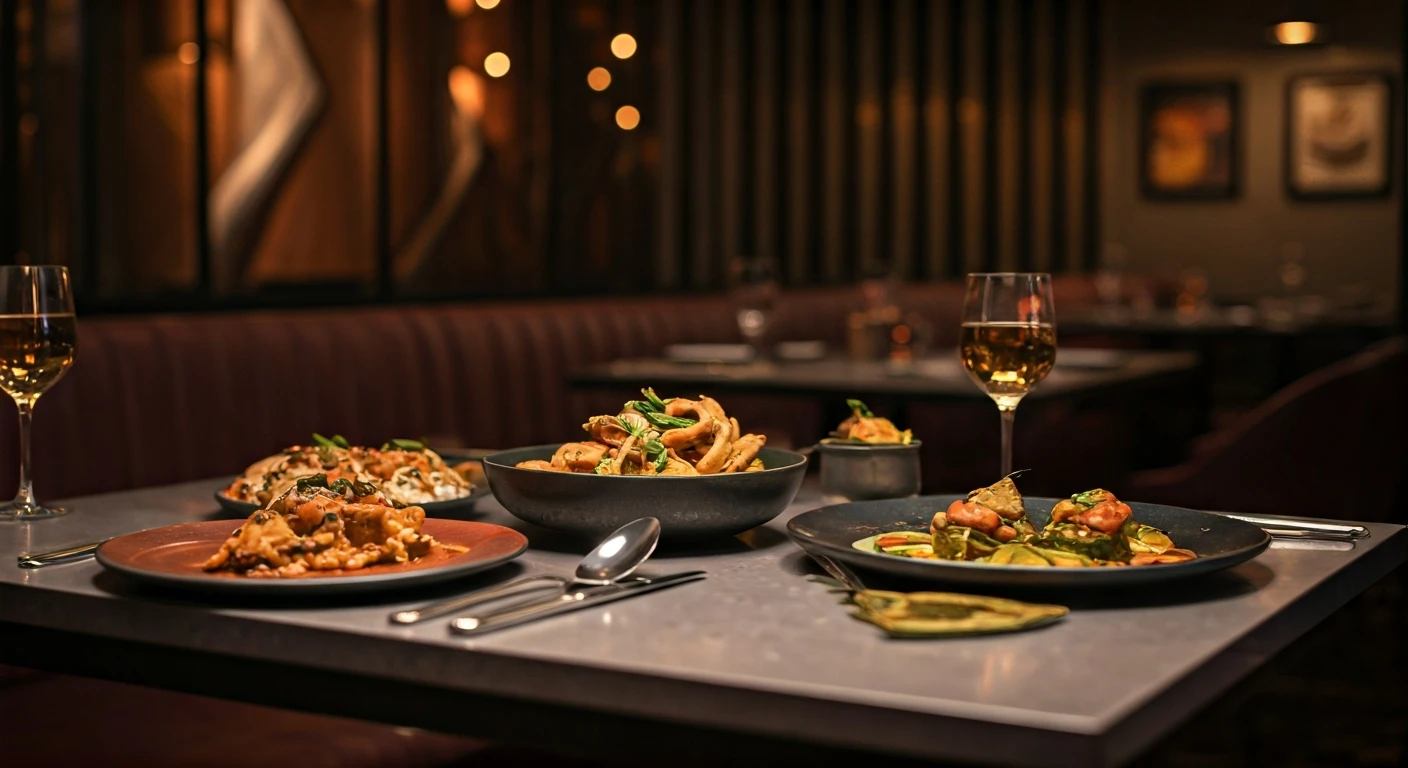
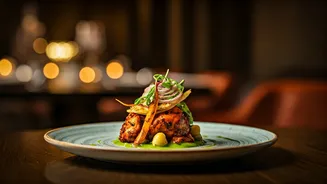
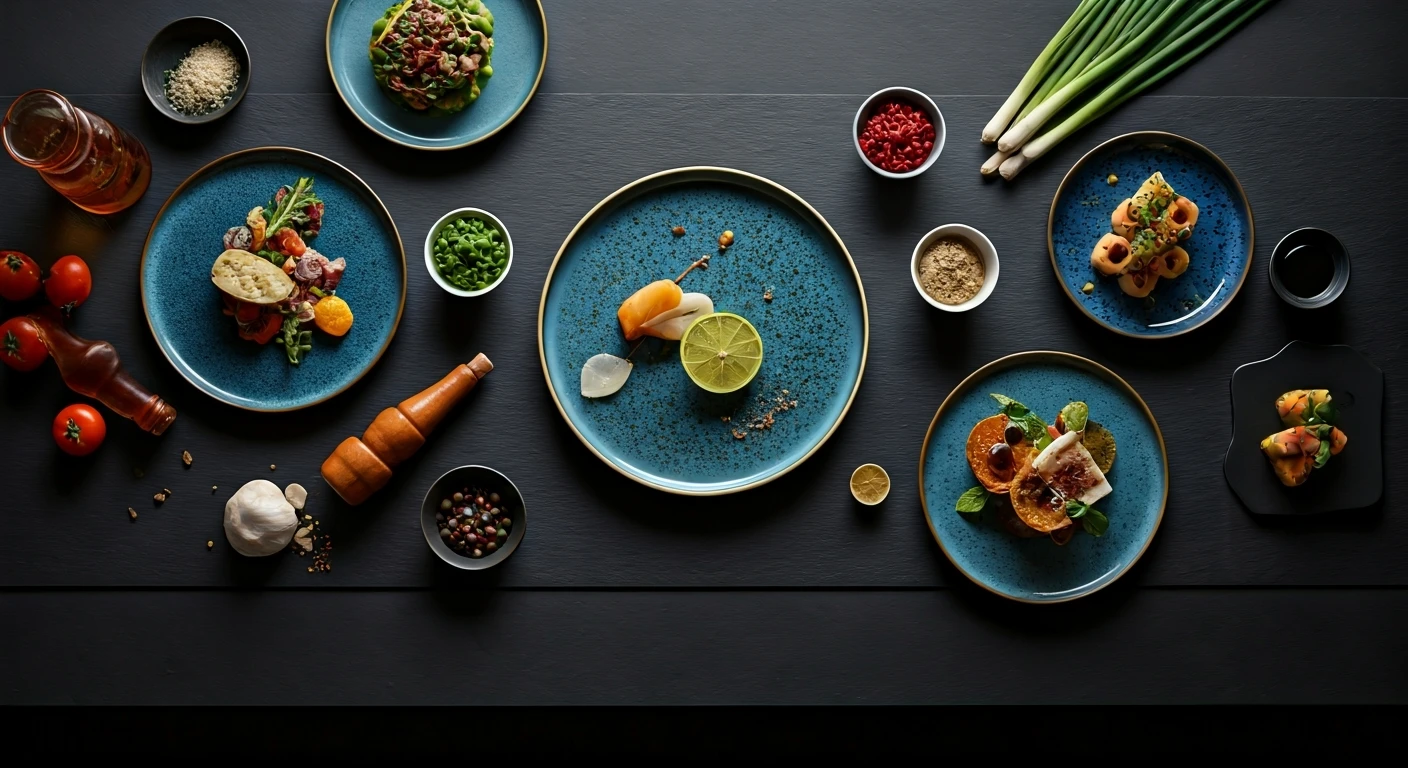
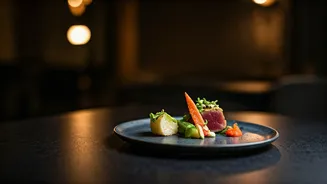
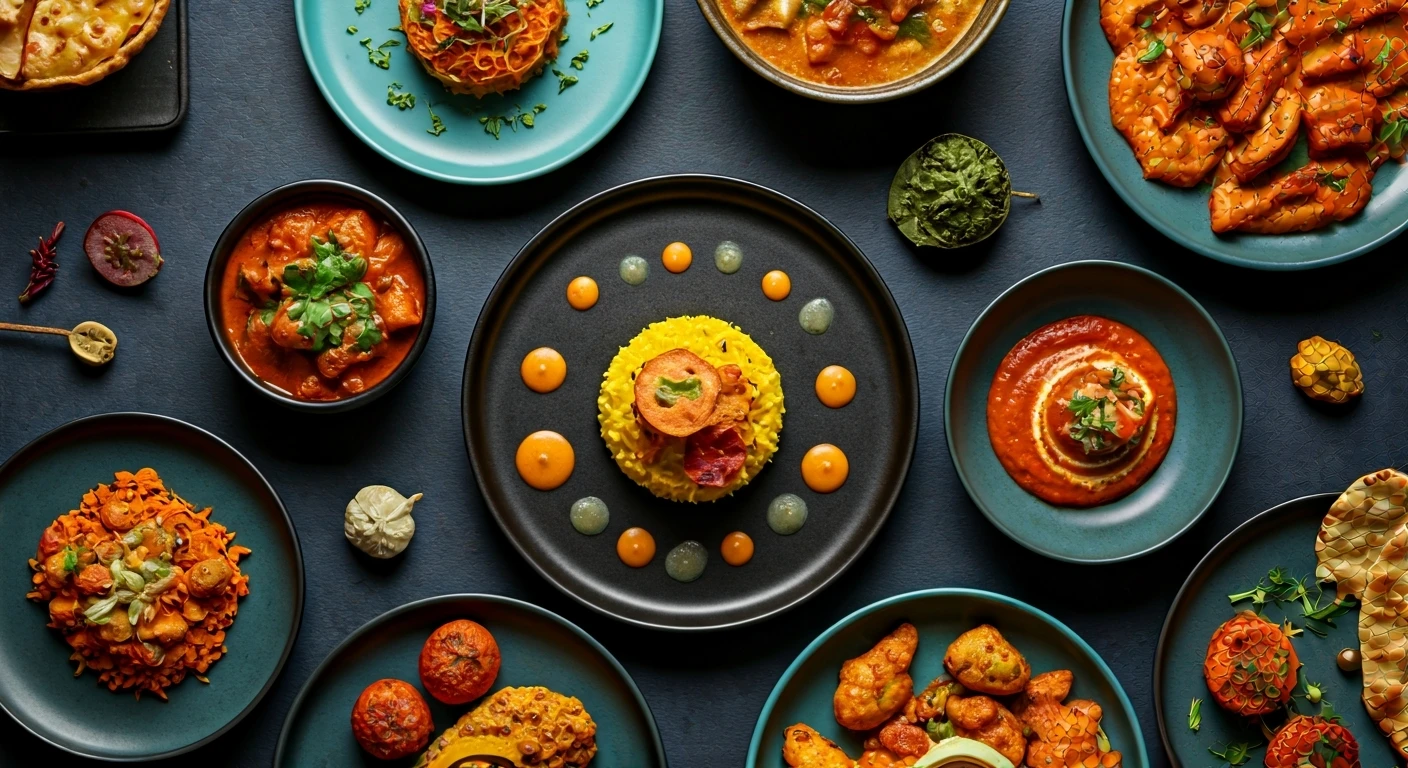
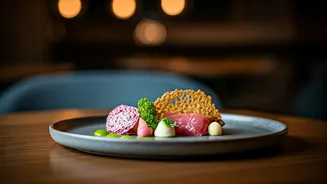
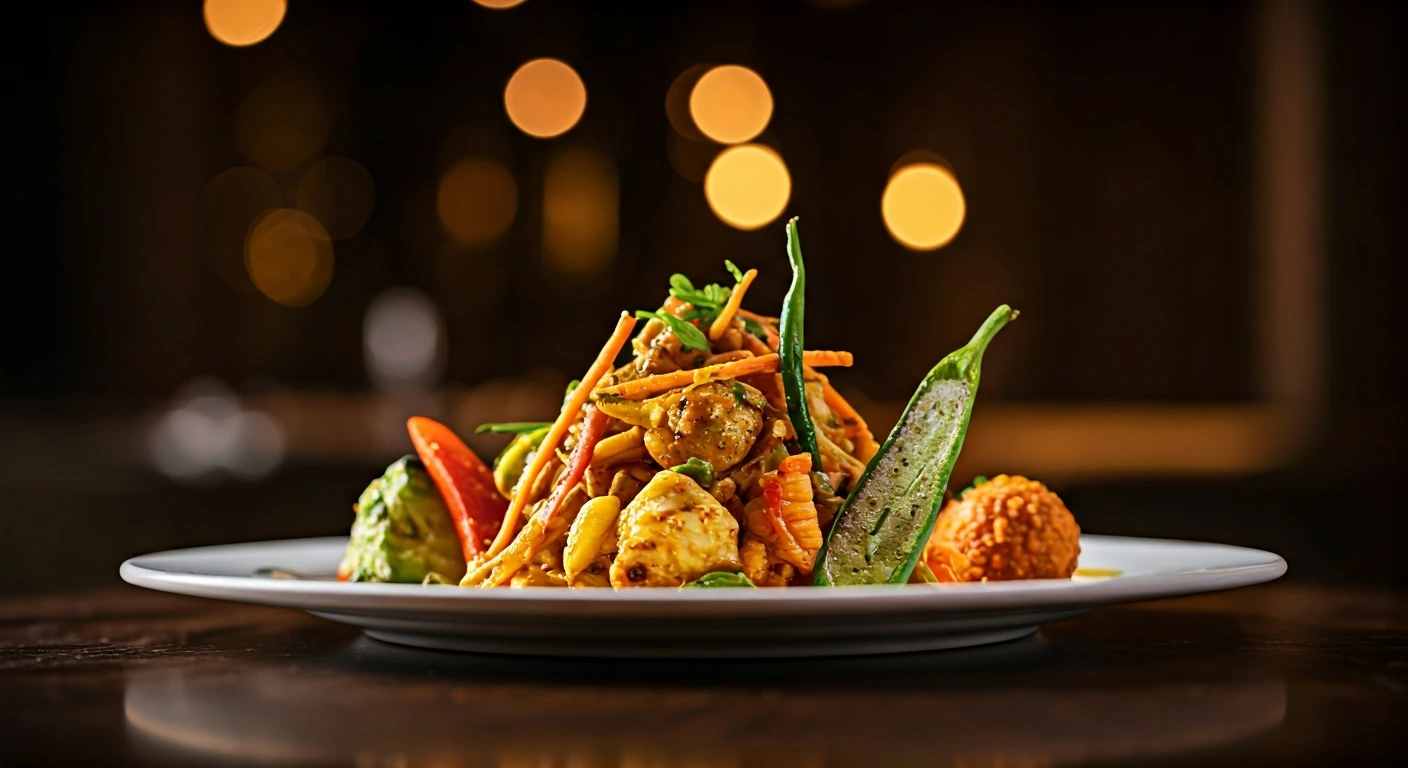
and the old-money elite. But that landscape is being radically redrawn. A new generation of standalone restaurants, driven by ambitious chefs and savvy entrepreneurs, is offering something far more exciting: a modern Indian identity on a plate. This isn't about replacing tradition but reinterpreting it with global techniques and a fearless creative spirit, turning humble regional dishes into sophisticated culinary art.
Delhi: Polished Tradition, Global Stage
As the nation’s capital, Delhi has long been a culinary heavyweight. But its modern glow-up is best exemplified by restaurants like Indian Accent. Long before it opened a successful New York outpost, its Delhi location was pioneering a new dialect of Indian food. Think inventive dishes like blue cheese naan or galouti kebabs served with foie gras. This wasn't fusion for fusion's sake; it was a confident reimagining of beloved flavors. The city’s scene is a blend of this high-concept modernism and a renewed appreciation for hyper-regional cuisines, with chefs championing ingredients and recipes from specific corners of the country, presenting them in a polished, contemporary setting that feels both authentically Indian and globally relevant.
Mumbai: The Experimental Epicenter
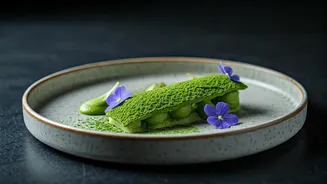
If Delhi is the polished capital, Mumbai is the energetic, experimental lab. As India’s financial and entertainment hub, the city buzzes with a restless energy that fuels its food scene. The defining trend here is a fanatical focus on ingredients. Restaurants like Masque, which has earned a spot on Asia's 50 Best Restaurants list, champion a 'seed-to-plate' philosophy, building tasting menus around the best produce from their own farm or specific regions of the Himalayas. This ingredient-first approach allows chefs to move beyond the classic canon of curries and kebabs, creating dishes that are minimalist, surprising, and deeply connected to the Indian landscape. Mumbai's diners, a cosmopolitan mix of global citizens, are eager for these new narratives.
Bengaluru: The Tech-Fueled Newcomer
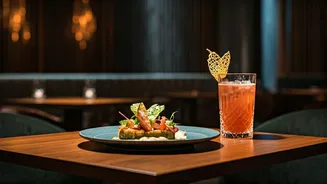
Known as India's Silicon Valley, Bengaluru’s dining ascent is fueled by a young, tech-savvy, and well-traveled population. This is a city that loves a good microbrewery, a quirky café, and, increasingly, a sophisticated tasting menu. The dining scene here is less about rewriting the rules of Indian food and more about embracing global trends with gusto. You'll find world-class cocktail bars, authentic Neapolitan pizzerias, and ambitious restaurants exploring everything from progressive South Indian to modern European cuisine. The demand comes from a generation that has the disposable income and the global palate to support a diverse and high-quality food ecosystem, making Bengaluru one of the most exciting and dynamic food cities to watch in the country.
What’s Driving the Glow-Up?
This culinary boom isn't happening in a vacuum. It's the product of several converging factors. A growing and aspirational middle and upper class has created a domestic market for fine dining that didn't exist 20 years ago. At the same time, a generation of Indian chefs who trained in the world's best kitchens—in New York, London, Copenhagen—are returning home, armed with cutting-edge techniques and a desire to apply them to the flavors of their childhood. Finally, there's a surge of cultural confidence. Instead of just imitating the West, these chefs are looking inward, exploring the subcontinent's incredible biodiversity and rich tapestry of regional cuisines to create something entirely new and uniquely Indian.