


Why June is the Magic Month
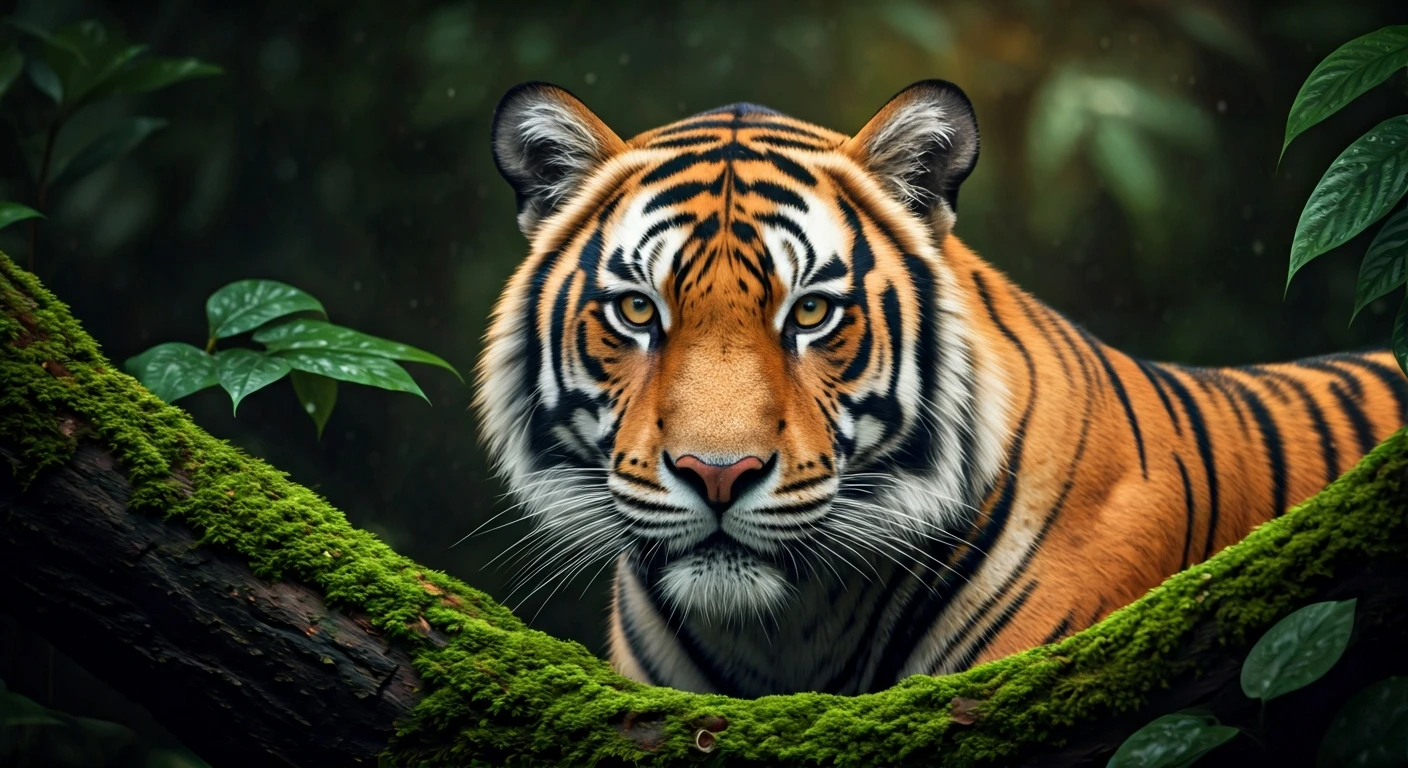
For the uninitiated, planning a trip to India in June sounds like madness. Temperatures regularly soar past 105°F, and the humidity builds to a suffocating peak. But in the world of tiger safaris, this is the prime-time finale. National parks in central
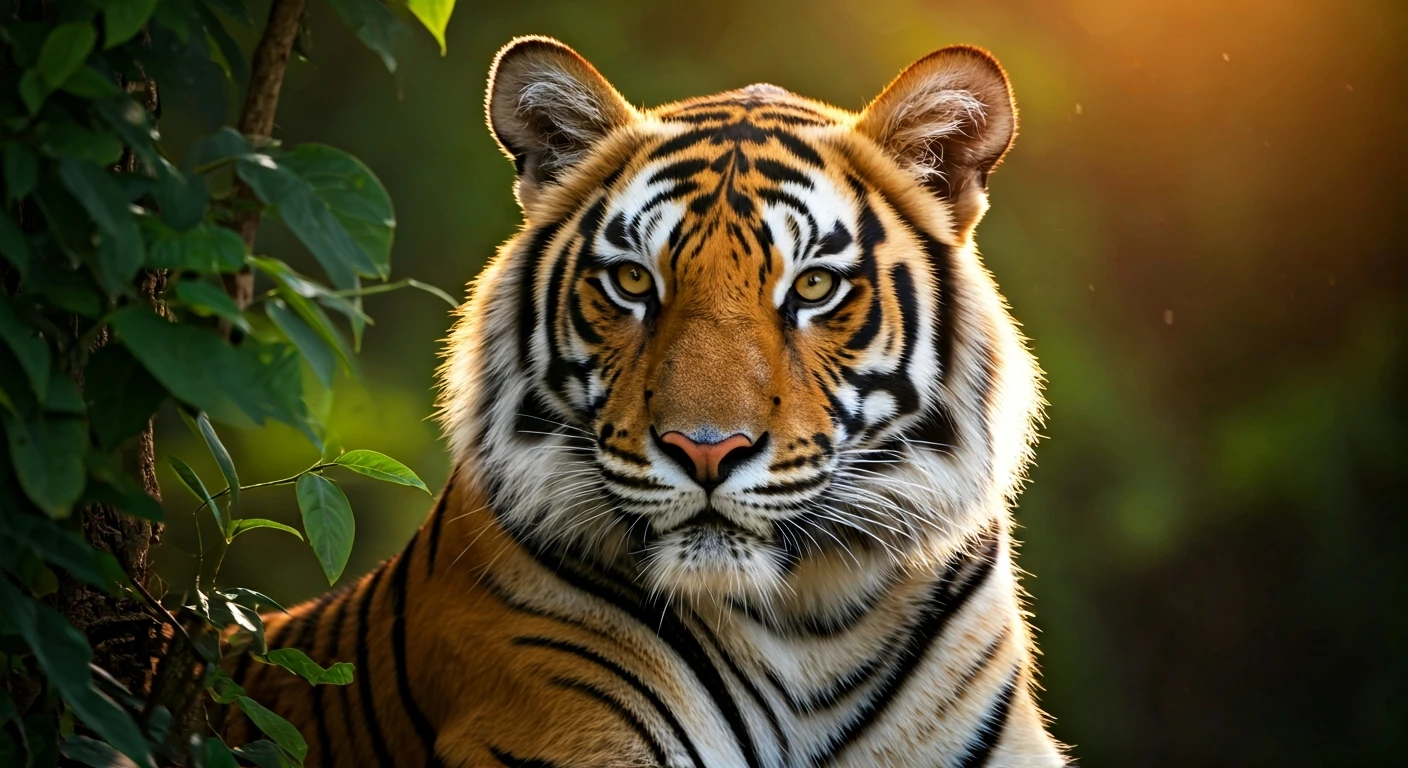
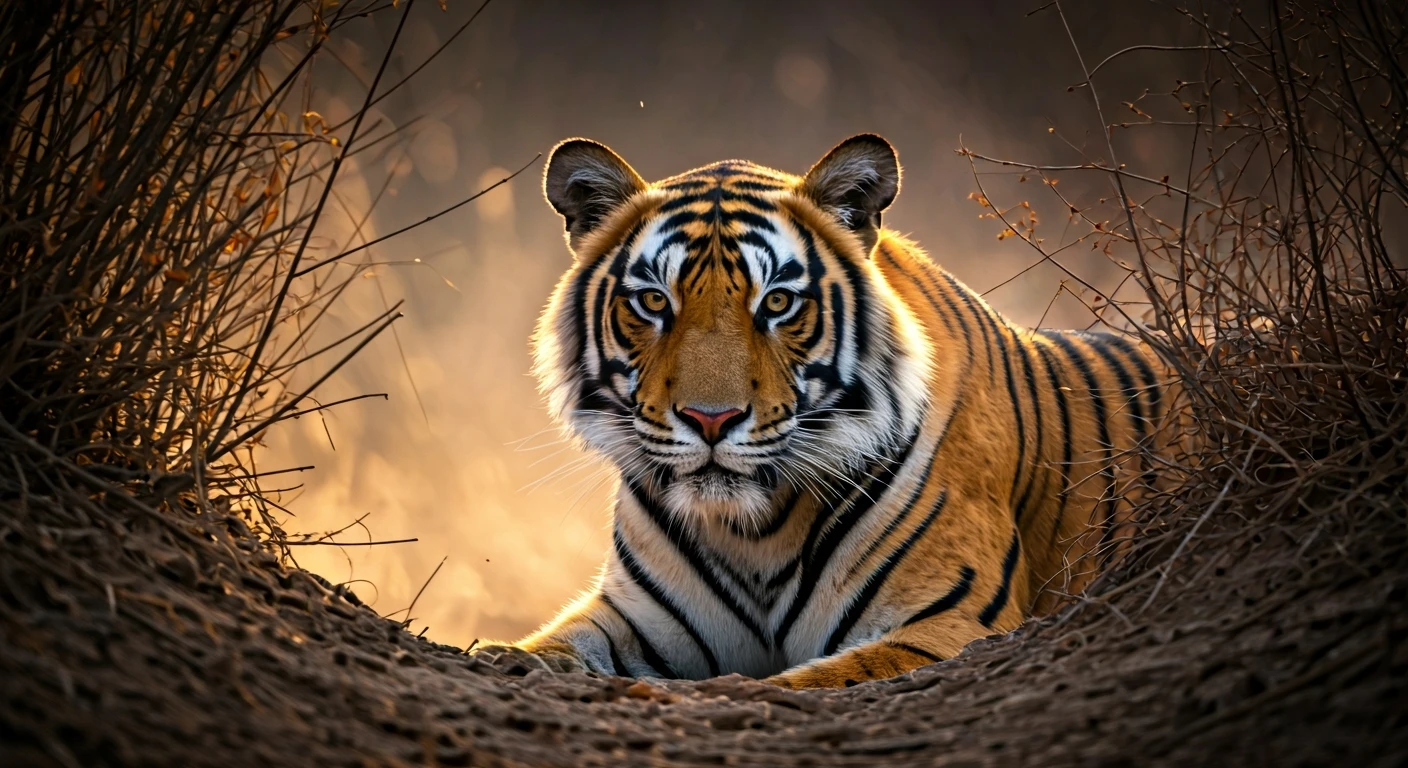
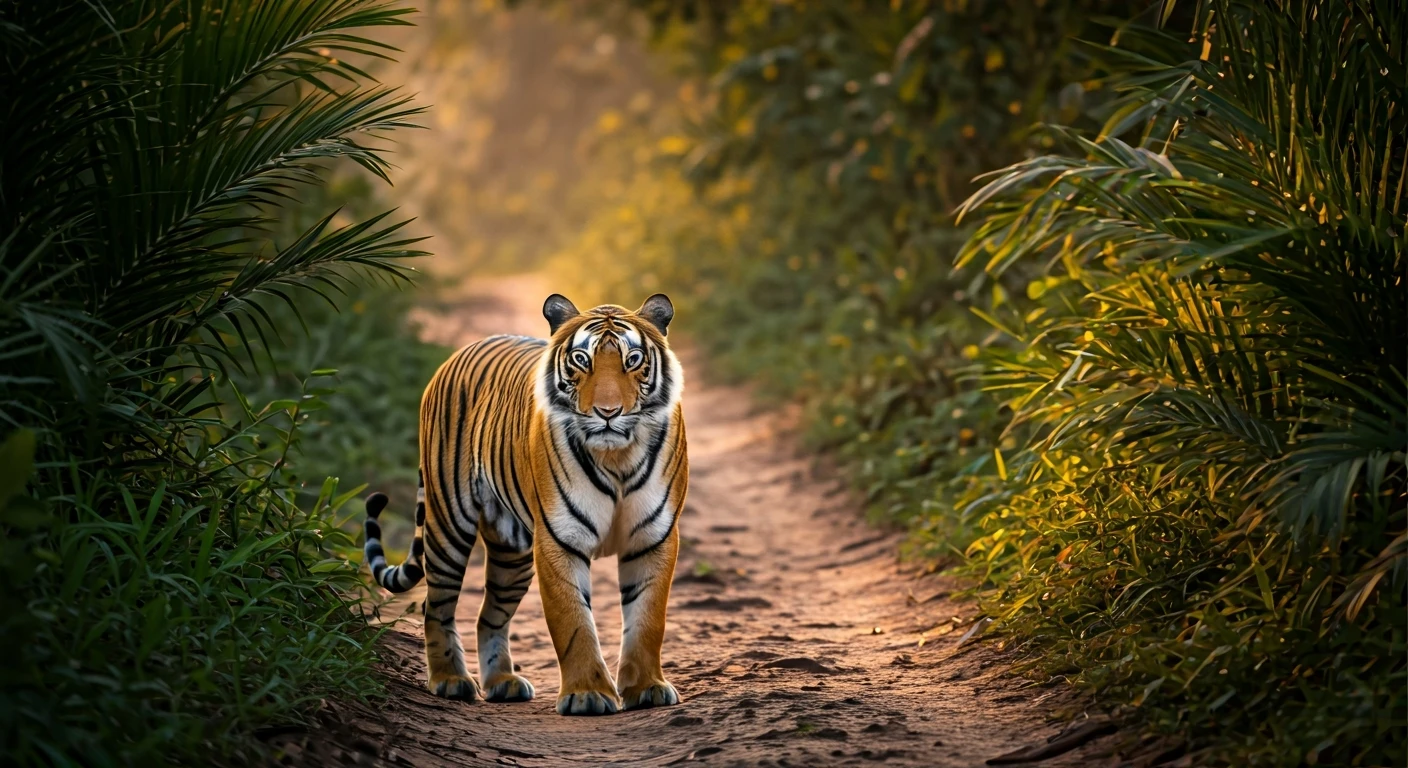
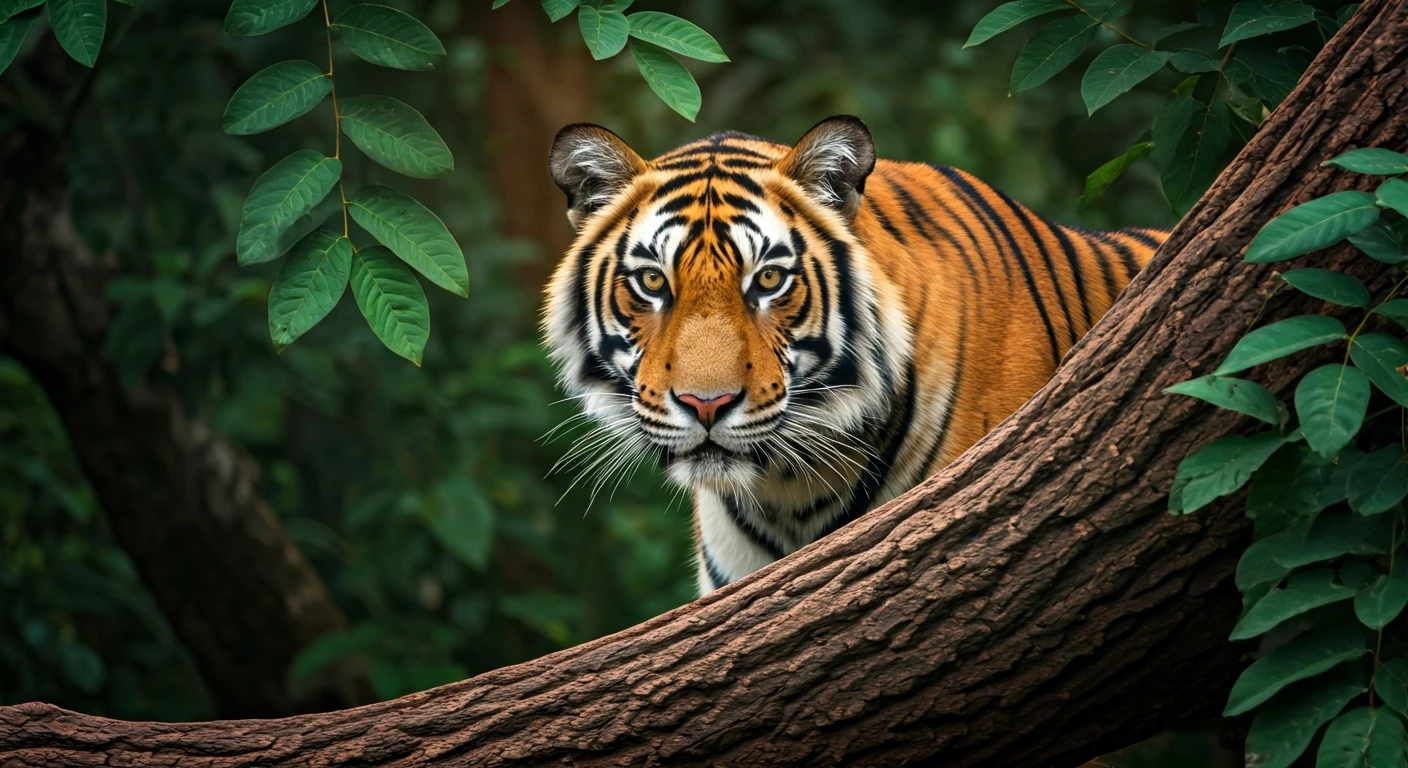
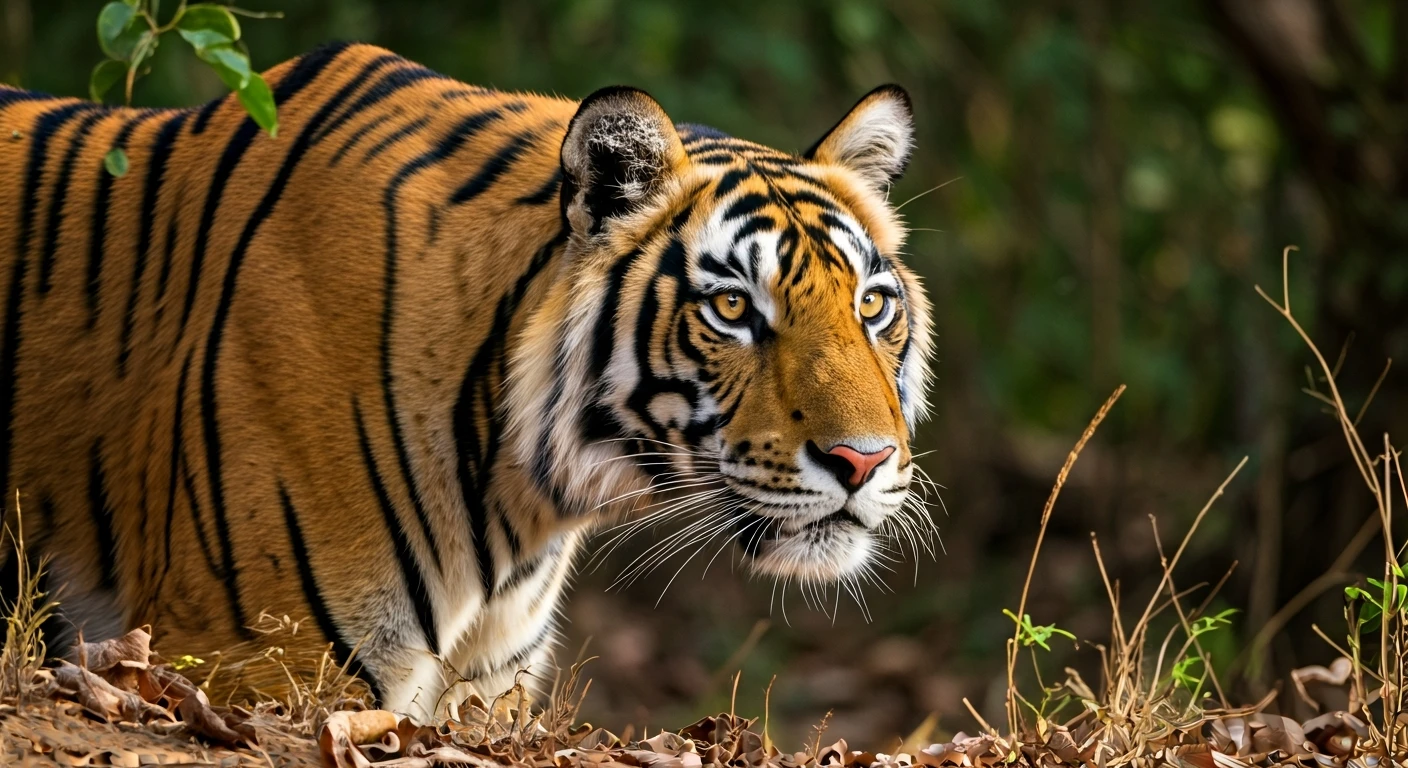
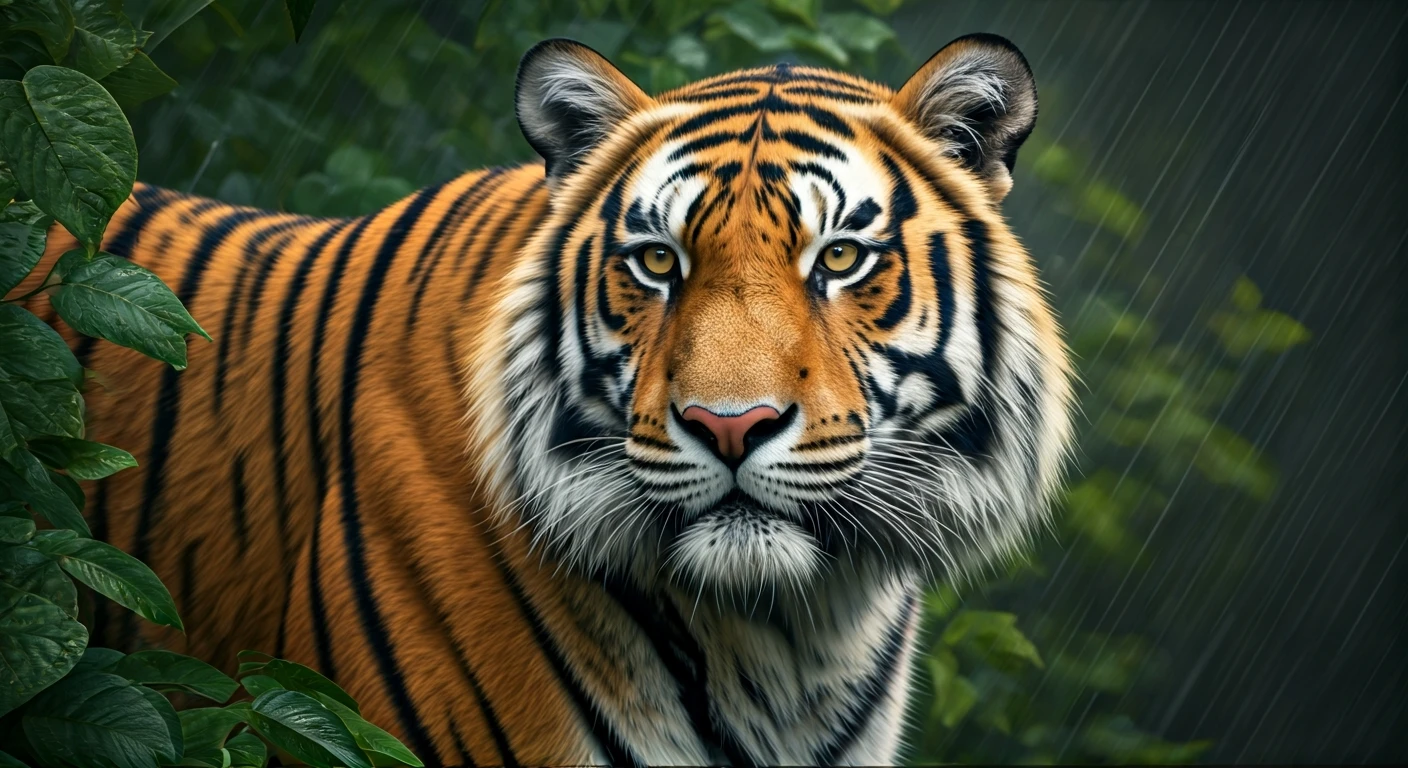
India, like Tadoba, Pench, and Kanha, are at their driest. Natural water sources have evaporated, forcing animals of all kinds to congregate at the few remaining lakes and man-made waterholes. For predators, especially the elusive Bengal tiger, this is a captive audience. The parched, thinning foliage offers less cover for a 500-pound cat, making sightings more frequent and dramatic. It’s a high-stakes game of patience played in open-air jeeps under a punishing sun, but the reward is a front-row seat to nature at its most raw. This is the last call; by July 1st, the monsoon rains will arrive, closing most park zones until the fall.
1. Tadoba: The Tiger Capital
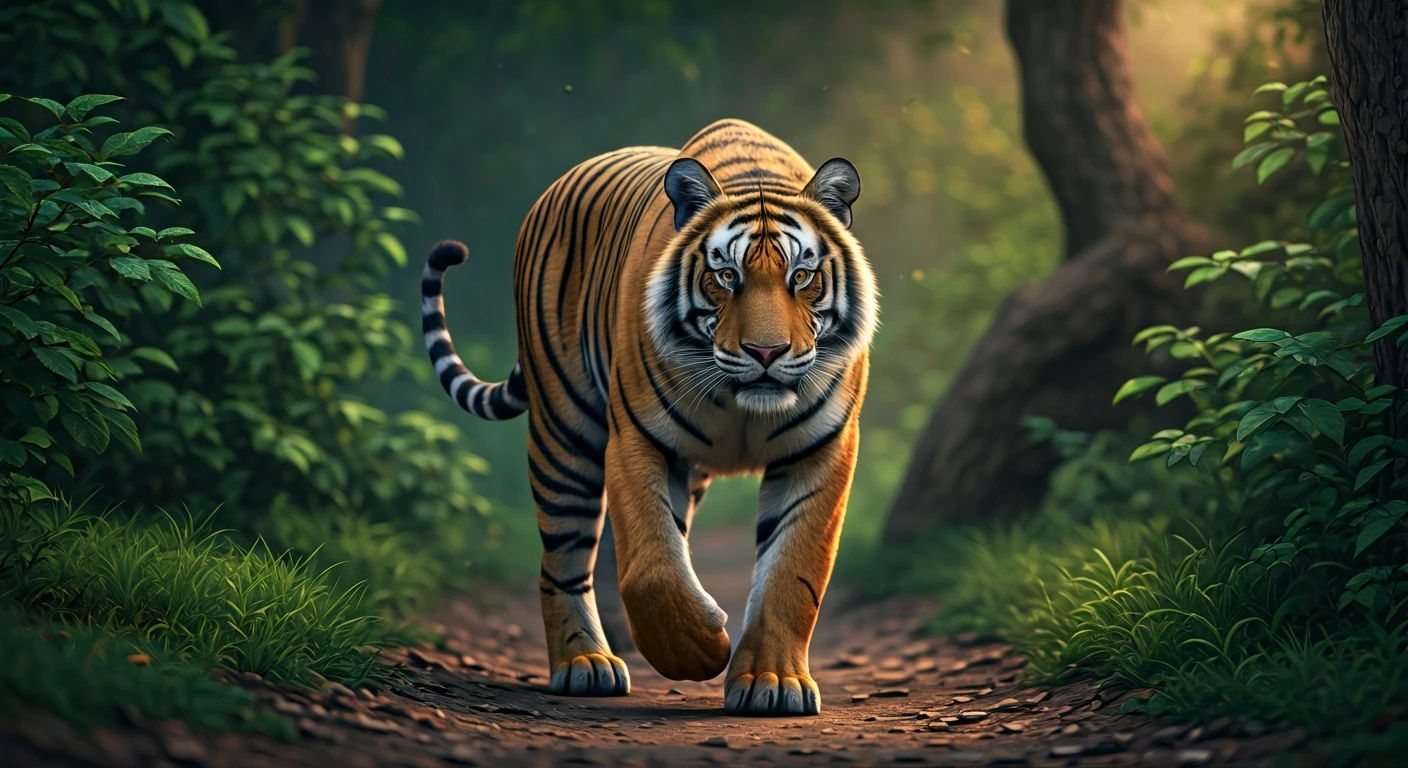
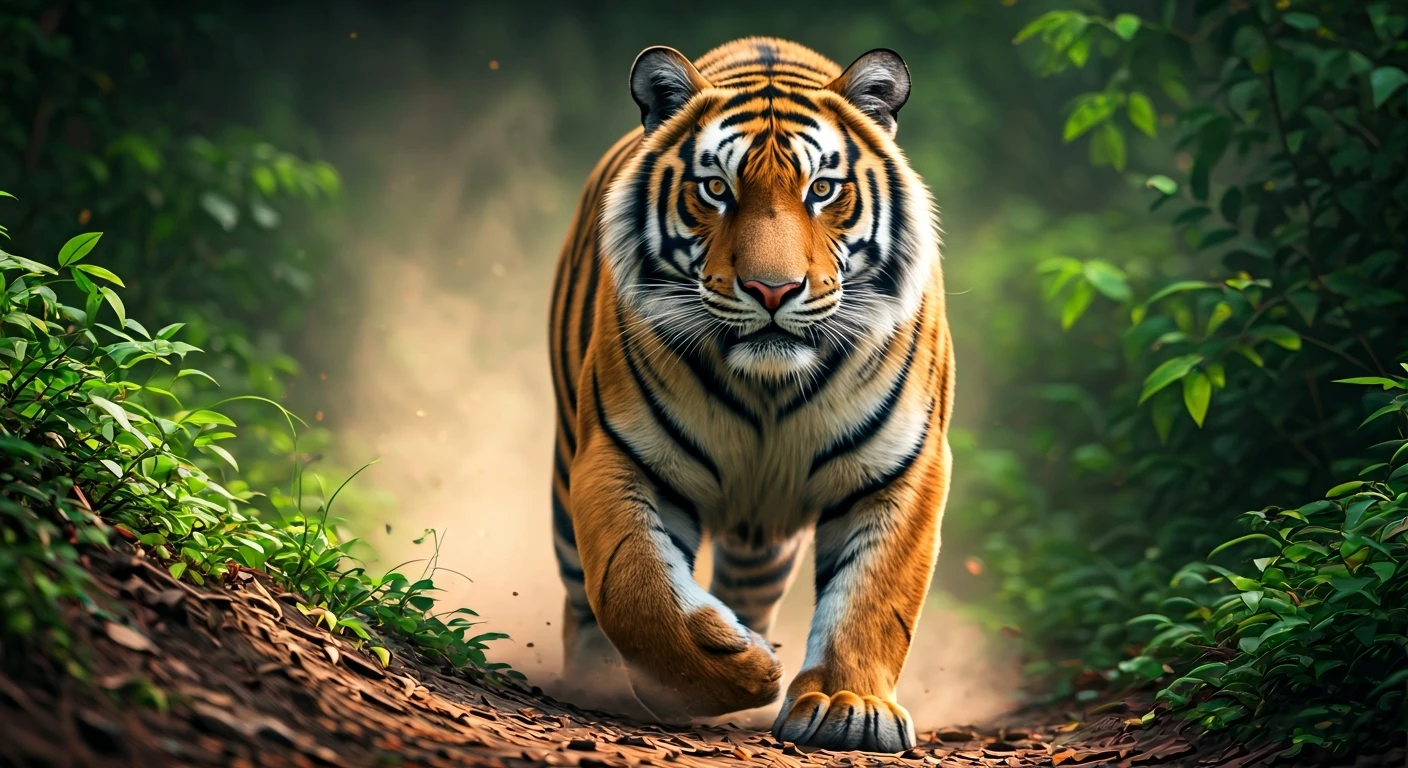
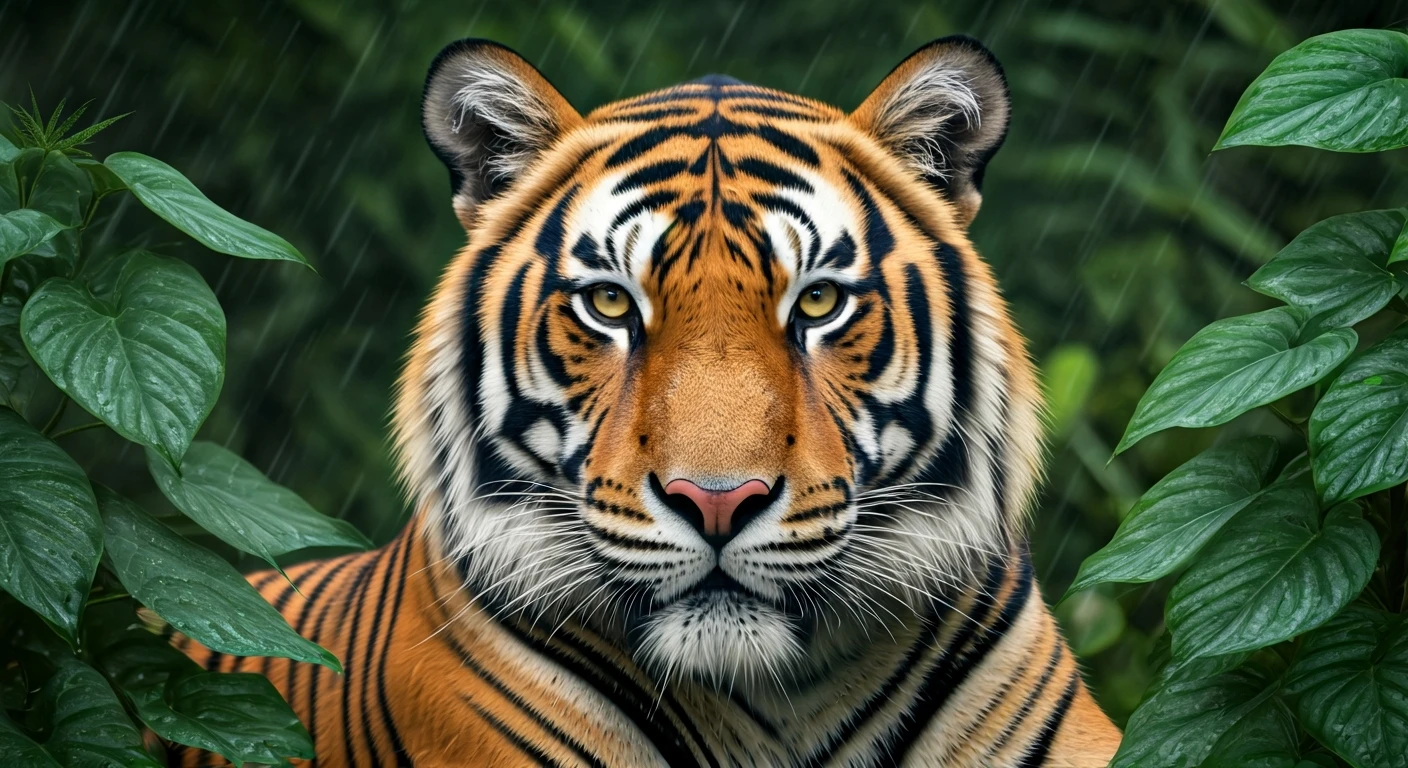
If your primary goal is to see a tiger, Tadoba-Andhari Tiger Reserve in Maharashtra is your destination. Often called the “Tiger Capital of India,” Tadoba boasts one of the highest tiger densities in the country, and its reputation for near-guaranteed sightings is well-earned. In June, the park’s arid landscape, dominated by teak forests and the expansive Tadoba Lake, becomes a theater of survival. Tigers, no longer able to cool off in hidden streams, make their way to the lake’s edge in broad daylight. Safari guides here are masters of tracking, reading pugmarks in the dust and listening for the alarm calls of deer and monkeys that signal a predator on the move. While Tadoba is also home to leopards, sloth bears, and wild dogs (dholes), the main event is unequivocally the tiger. A safari here is less about gentle sightseeing and more about a focused, thrilling pursuit. It's hot, dusty, and intense—an experience for the dedicated wildlife enthusiast chasing an unforgettable encounter.
2. Pench: The Land of Mowgli
Straddling the border of Madhya Pradesh and Maharashtra, Pench National Park offers a slightly different, though no less compelling, pre-monsoon experience. This is the forest that inspired Rudyard Kipling’s “The Jungle Book,” and its magic is palpable. The Pench River, which snakes through the park, is its lifeline. By June, it shrinks to a series of deep pools, drawing in herds of spotted deer, sambar, and gaur (Indian bison). And where the prey gathers, the predators follow. Pench is famous for its powerful tiger families, particularly the leading matriarchs who have been documented by filmmakers for years. But it’s also one of the best places in India to spot the elusive leopard, which favors the rocky outcrops and dense riverine forests. The park’s diverse terrain, from open canopy forests to grassy patches, also makes it a stronghold for the dhole, the formidable red-coated wild dog that hunts in packs. A June safari in Pench is a chance to see not just the king of the jungle, but his entire court, all drawn together by the promise of water.
3. Kanha: The Majestic Landscape
For those seeking a grander, more holistic safari experience, Kanha National Park in Madhya Pradesh is the undisputed jewel. It’s one of the largest and most beautifully managed parks in India, a sweeping canvas of sal forests, bamboo thickets, and vast grassy meadows known as “maidans.” These open plains feel more like the African savanna than the Indian jungle and are what set Kanha apart. In the haze of the June heat, these meadows are where you’ll find the last surviving wild population of the hard-ground barasingha, or swamp deer—a major conservation success story. While Kanha has a healthy tiger population, the sheer size of the park means sightings can require more patience. But the payoff is a tiger seen against a truly epic backdrop. A safari here is about more than just a checklist of sightings; it’s about absorbing the scale and beauty of a complete ecosystem, from the tigers and leopards to the jackals and the hundreds of bird species. It’s the perfect end-of-season destination for a traveler who appreciates the entire landscape as much as the star predator within it.