




The Great Digital Detox
In a world of perpetual notifications, endless scrolling, and the pressure to be always-on, the most valuable luxury is arguably the ability to disconnect. Woodland escapes offer this in its purest form. Unlike a city break where Wi-Fi is ubiquitous,
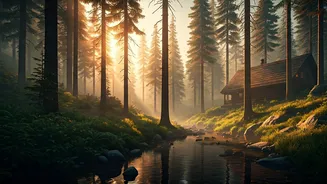
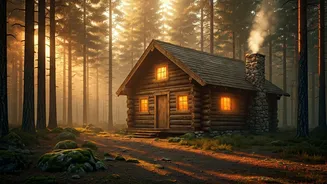
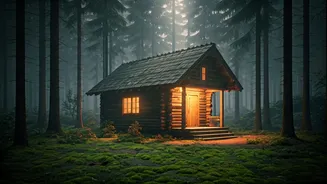
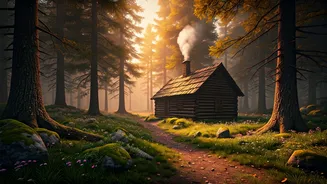
or a resort where you might still be tempted to check emails by the pool, a cabin nestled among the pines offers a natural barrier to digital life. For many, the spotty cell service isn't a bug; it's a feature. This desire for a 'digital detox' is a direct response to modern burnout. The promise of a weekend or a week without Slack alerts, news cycles, and the performative pressure of social media is profoundly appealing. It’s an opportunity to trade screen time for face time with loved ones, or to simply be alone with one’s thoughts. The forest doesn’t demand a response or an immediate reaction. It offers a space for minds to wander, reset, and recover from the cognitive overload of daily life, making the silence and solitude the main attractions.
A Post-Pandemic Recalibration
The travel landscape was fundamentally reshaped by the pandemic, and some of those changes have proven to be permanent. Initially driven by a need for social distancing and safety, the pivot away from crowded tourist hubs and toward private, self-contained accommodations has since evolved into a genuine preference. Travelers who discovered the ease and intimacy of renting a secluded cabin or a house in the woods found they actually preferred it. This shift also reflects a renewed appreciation for domestic travel. With international trips complicated by restrictions and uncertainty, many Americans rediscovered the beauty in their own backyards—from the dense forests of the Pacific Northwest to the rolling hills of the Appalachians. The 'road trip' renaissance made remote destinations more accessible and desirable. This recalibration taught travelers that a world-class escape doesn't always require a passport, just a full tank of gas and a willingness to explore the wilder corners of the country.
The Rise of 'Cabin Core'
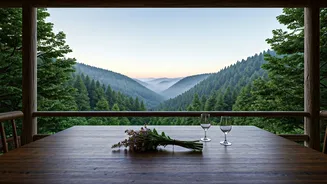
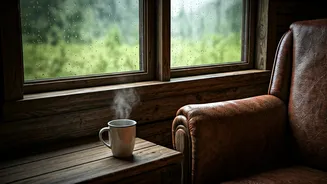
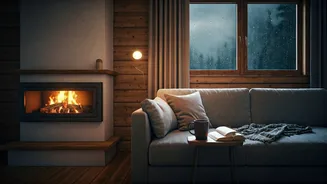
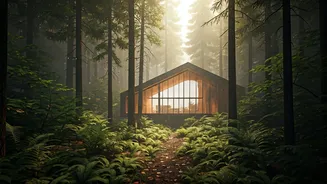
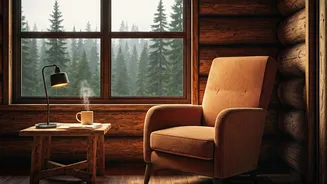
Aesthetics play a powerful role in travel choices, and the 'cabin core' movement has made woodland getaways more fashionable than ever. Popularized on platforms like Instagram and Pinterest, this aesthetic romanticizes a rustic, cozy, and simple way of living. It’s a visual mood board of crackling fireplaces, steaming mugs of coffee on a misty porch, flannel blankets, well-worn books, and floor-to-ceiling windows looking out onto a sea of trees. This isn't just about appearances; it's about aspiring to a feeling of comfort, tranquility, and authenticity that seems missing from modern urban life. Booking a stylish A-frame or a renovated log cabin allows travelers to step directly into that fantasy. Travel companies and rental platforms have capitalized on this, with curated lists of 'cabins,' 'treehouses,' and 'unique stays' that feed the growing demand. The trend creates a powerful feedback loop: the more people share their beautiful, moody photos from the woods, the more others are inspired to seek out the same experience.
Wellness Goes Into the Wild
The wellness movement has expanded beyond yoga studios and juice cleanses, embracing the scientifically-backed benefits of nature itself. The Japanese practice of *shinrin-yoku*, or 'forest bathing,' is a perfect example. It's not about hiking or exercise, but about simply being in the presence of trees and absorbing the environment. Studies have shown that spending time in forests can reduce stress, lower blood pressure, improve mood, and boost immune function. Travelers are increasingly seeking vacations that do more than just entertain—they want trips that restore them mentally and physically. A woodland escape is a wellness retreat in its own right. The clean air, the calming sounds of nature, and the opportunity for gentle activities like walking, bird-watching, or simply sitting by a lake align perfectly with this holistic view of health. It’s a recognition that true well-being comes from detaching from man-made stressors and reconnecting with the natural world.