
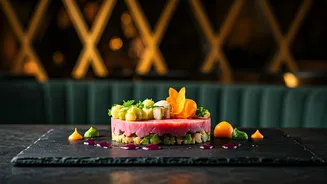
Beyond the Buffet Line
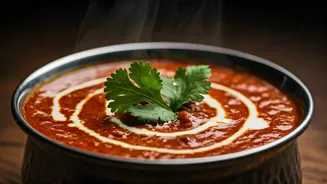
Let’s be clear: “premium” doesn’t just mean expensive. While the price tags are certainly rising, the real shift is in perception and execution. For decades, Indian food in the U.S. was largely represented by a standardized, Northern-centric menu of chicken
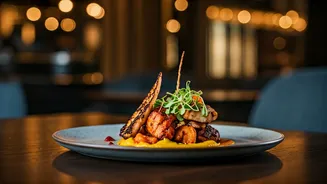
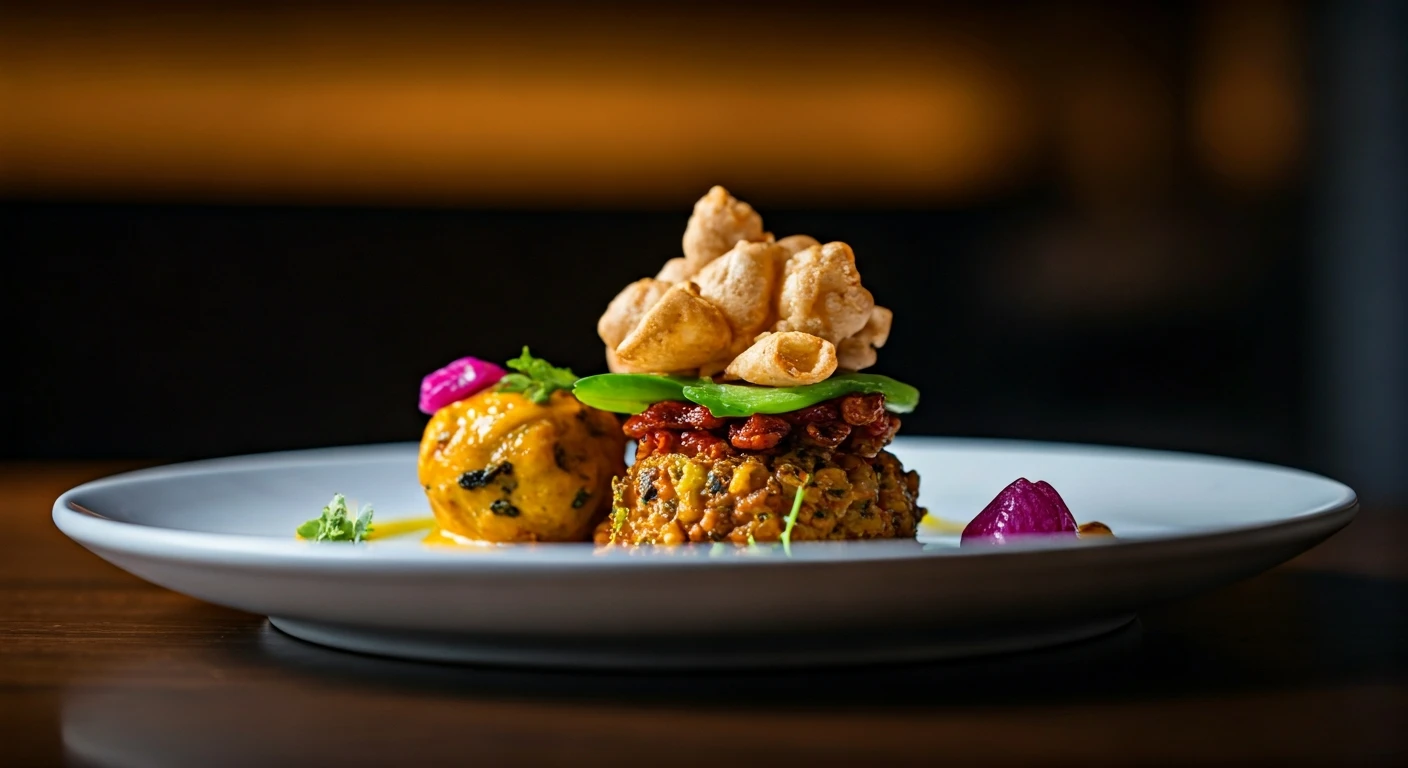
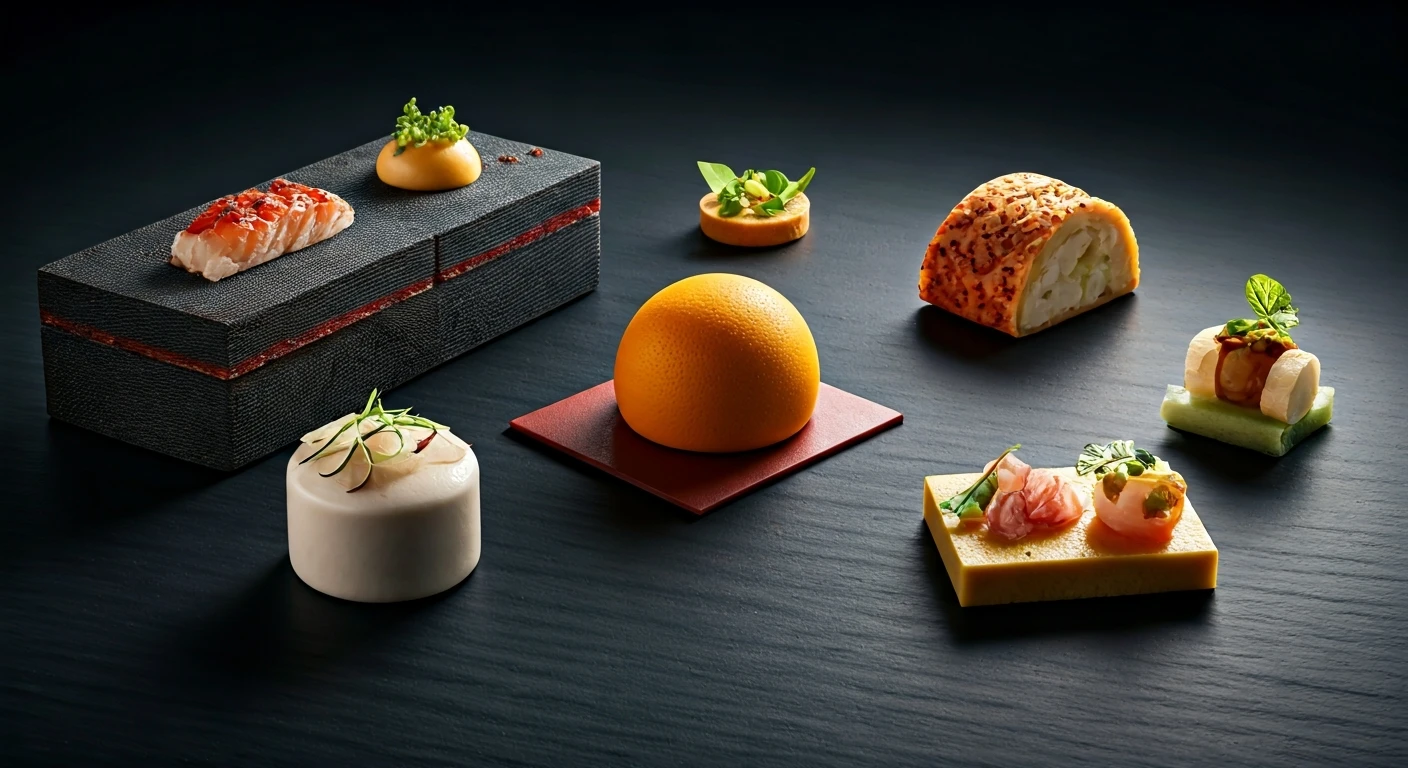
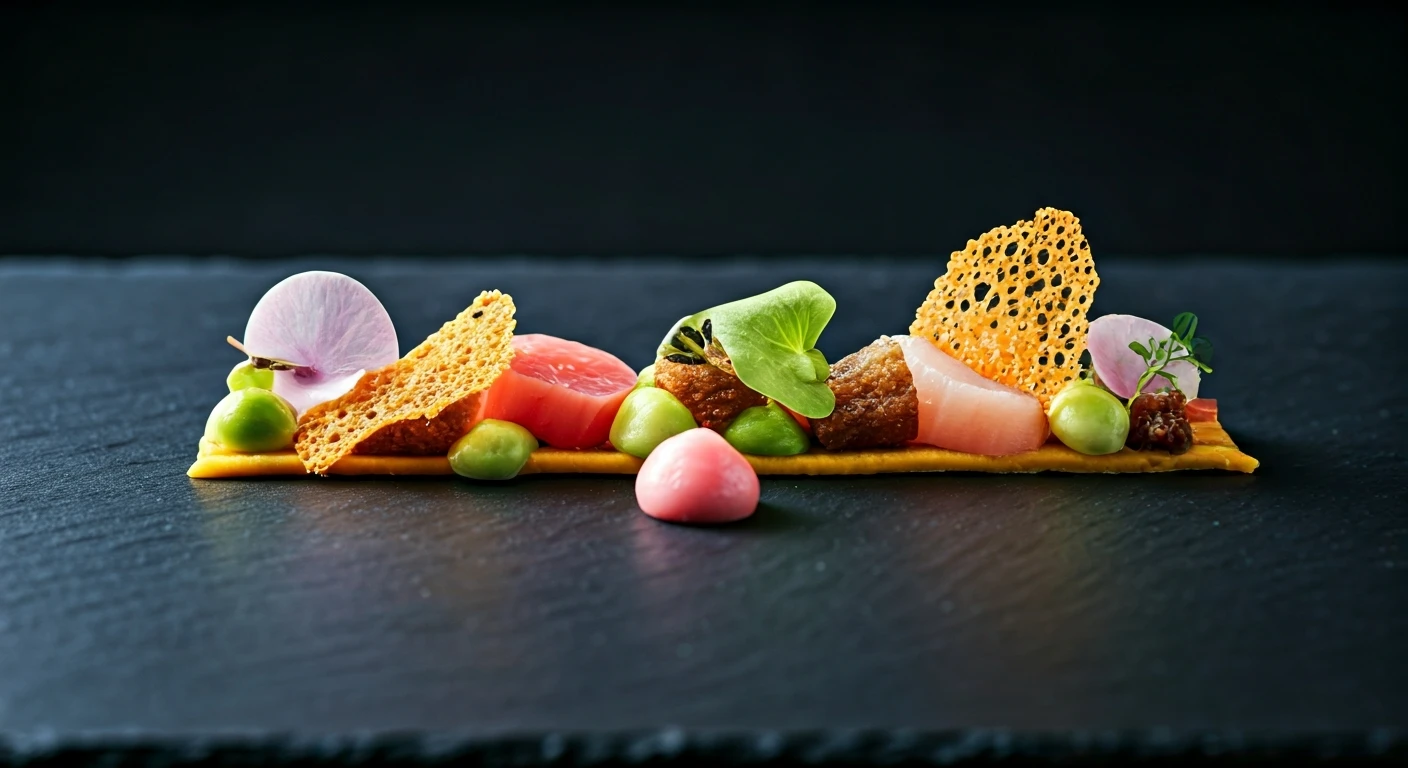
tikka masala, naan, and saag paneer. It was delicious, accessible, and often, incredibly affordable. But this narrow view obscured the staggering diversity of a subcontinent with dozens of distinct regional culinary traditions. The new wave of premium Indian dining is about shattering that monolith. It’s about chefs who are treating Indian food with the same reverence for ingredient, technique, and narrative that has long been afforded to French or Japanese cuisine. This means sourcing high-quality, seasonal produce, exploring forgotten regional recipes, and presenting dishes with modern-day artistry.
The Michelin Star Effect
Nothing signals a shift in the culinary world quite like a Michelin star. In New York City, the restaurant Semma made headlines by earning a star for its unapologetically authentic, and often fiery, southern Indian cooking. It wasn't 'dumbed down' for Western palates; it was a bold declaration of heritage. Chef Vijay Kumar brought the dishes of his home state of Tamil Nadu—from venison curry to Dindigul-style goat biryani—to the forefront of fine dining. Similar stories are unfolding across the country and the world. Restaurants like Baar Baar in New York and Los Angeles are reimagining classic dishes with a contemporary flair and a high-end cocktail program. Overseas, chefs like Gaggan Anand in Bangkok became global icons by applying modernist techniques to Indian flavors, creating playful, multi-course tasting menus that challenged every preconceived notion of what Indian food could be.
A Renaissance at Home
This isn't just a phenomenon for the Indian diaspora. The most significant changes are happening within India itself. In cities like New Delhi, Mumbai, and Bengaluru, a new generation of chefs and restaurateurs is driving a culinary renaissance. Restaurants like Indian Accent in New Delhi, often ranked among the best in Asia, pioneered the concept of “modern Indian” food, fusing global ingredients and techniques with nostalgic Indian flavors. Think blue cheese-stuffed naan or pulled pork phulka tacos. This movement has inspired countless others. Diners within India, particularly a growing, globally-traveled middle and upper class, are demanding more sophisticated experiences. They want to see their own culinary heritage celebrated on the same level as international cuisines, and they are willing to pay for it.
Why Now? The Perfect Storm
So what’s fueling this change? It’s a perfect storm of factors. First, a new generation of Indian chefs, many trained in prestigious culinary schools and elite kitchens around the world, are returning to their roots with a new set of skills and a desire to innovate. Second, diners are more adventurous than ever. Thanks to travel shows, social media, and a general foodie culture, Americans are increasingly seeking authentic and novel experiences. They're no longer content with a one-size-fits-all approach. Finally, there's a growing sense of cultural pride. Chefs and restaurateurs are making a conscious effort to tell the specific stories of their regions, families, and histories through food, moving beyond generic 'curry house' tropes.