


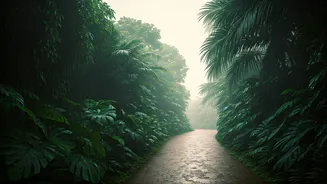
The Allure of the Downpour
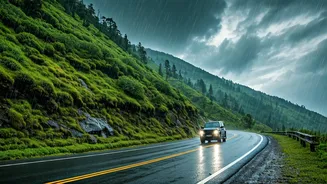
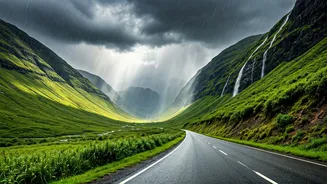
So, why the sudden obsession with traveling during what’s traditionally the ‘off-season’? For one, it’s a powerful aesthetic. The monsoon transforms landscapes, turning dusty hills into vibrant, emerald-green vistas. It offers a sensory experience that
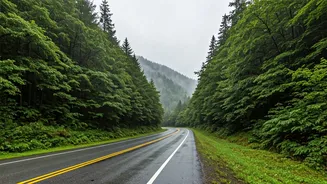
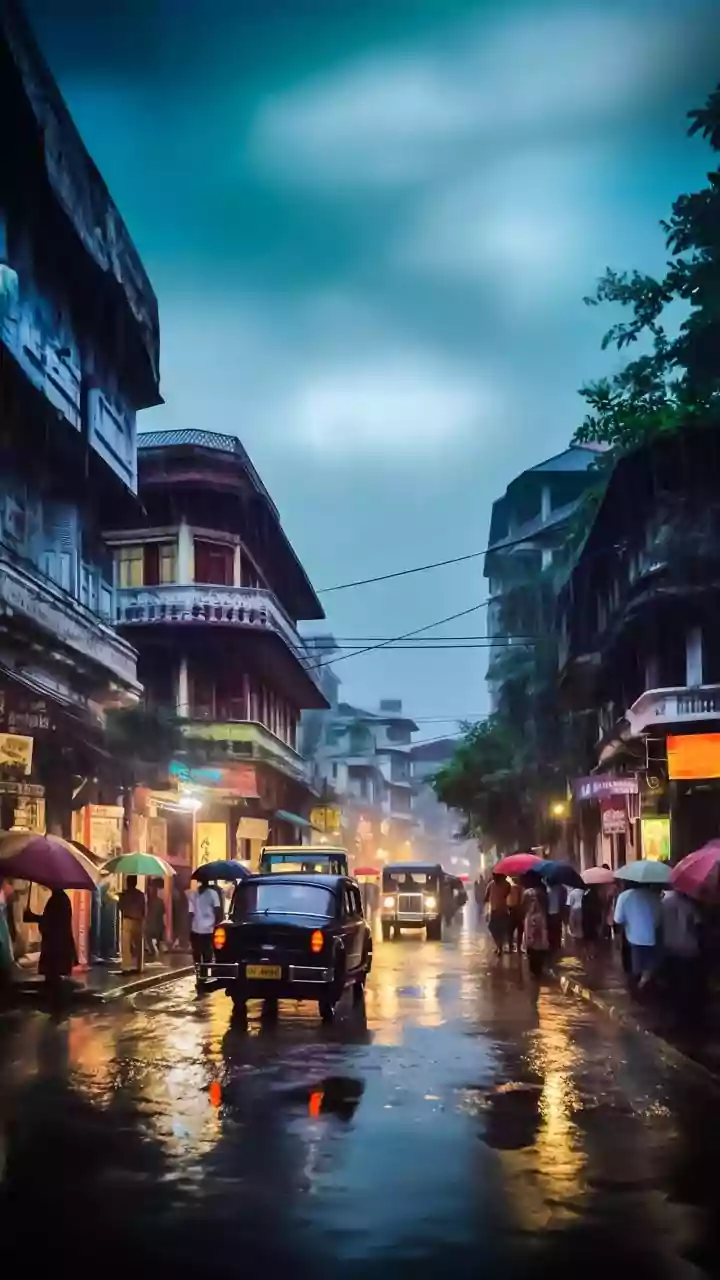
a perfect sunny day can’t match—the smell of rain on dry earth, the meditative sound of a constant downpour, the cozy feeling of being sheltered from the elements. For American travelers accustomed to avoiding inclement weather, there's a novel appeal in leaning into it. Furthermore, the monsoon season often means fewer crowds and lower prices on flights and accommodations. Popular destinations in Southeast Asia, India, and even the American Southwest become more accessible, offering a more authentic, less tourist-clogged experience. It’s a chance to see a place in its most dramatic, atmospheric state.
Beyond the Instagram Filter
But there’s a reality that doesn’t always make it into the perfectly curated 15-second video. Monsoon season isn't just picturesque drizzle; it can mean serious, disruptive weather. We’re talking flash floods that wash out roads, landslides that cut off entire regions, and day-long downpours that lead to canceled flights and shuttered attractions. What looks like a romantic adventure online can quickly become a logistical nightmare if you’re unprepared. Health is another major concern. The wet, humid conditions are a breeding ground for mosquitoes, increasing the risk of diseases like dengue fever and malaria. Water contamination can also lead to stomach bugs. This isn’t to say you shouldn’t go—it’s to say you should go with your eyes wide open, prepared for the challenges as much as the beauty.
Rule #1: Pack for a Wet World
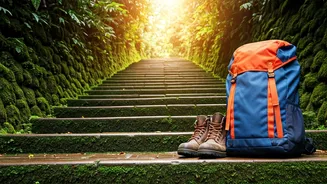
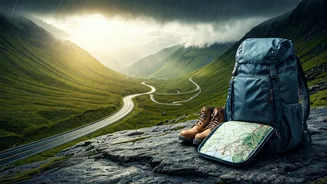
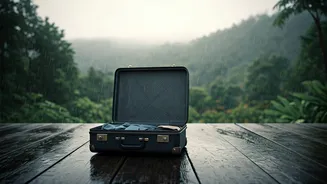
Your standard vacation wardrobe won’t cut it. Forget cotton, which takes forever to dry and gets heavy when wet. Your suitcase should be filled with quick-drying synthetic fabrics. Think athletic shirts, travel pants, and merino wool socks. A reliable, lightweight, and genuinely waterproof rain jacket is non-negotiable. For footwear, opt for waterproof hiking shoes with good grip or sturdy, strap-on sandals designed for water (not flip-flops, which are a slip-and-fall waiting to happen). Finally, protect your electronics. Invest in a quality waterproof backpack or, at a minimum, a set of dry bags to stash your phone, camera, and passport.
Rule #2: Plan Your Itinerary Loosely
Flexibility is the golden rule of monsoon travel. Don’t pack your schedule with back-to-back activities or plan tight connections. A road that was open this morning might be flooded by the afternoon. A ferry service might be suspended due to high seas. Build buffer days into your trip. Instead of planning a cross-country dash, consider setting up a home base in a larger town with reliable infrastructure and taking day trips from there. Research your specific destinations carefully; avoid extremely remote areas or regions known for severe landslides during the rainy season. Having a Plan B, and even a Plan C, is not pessimism—it’s just smart travel.
Rule #3: Prioritize Your Health
Staying healthy is paramount. Mosquitoes are your number one enemy. Use a potent insect repellent containing DEET or Picaridin, especially during dawn and dusk. If you’re in a high-risk area, sleeping under a mosquito net is a good idea. Be vigilant about food and water. Stick to bottled or purified water, and be wary of raw vegetables or street food that might have been washed in or exposed to unclean water. Hot, cooked meals are always your safest bet. Before you leave, check with the CDC or your doctor about any recommended vaccinations or medications for your destination.
Rule #4: Choose Your Destination Wisely
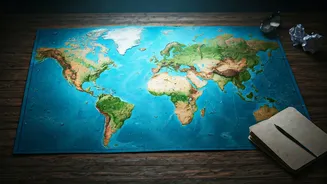
Not all monsoon zones are created equal. Some destinations are well-equipped for the rains, with infrastructure designed to handle the deluge. For example, regions like Kerala in India or parts of Thailand's Gulf Coast have long embraced monsoon tourism, offering specific wellness treatments and beautiful indoor-outdoor living spaces. Conversely, mountainous regions in Nepal or certain Indonesian islands can become treacherous and inaccessible. A little research goes a long way. Look for places that are celebrated for their beauty during the rainy season, not just places that happen to be cheap because of it.