




The Hidden Risk in Your Healthy Snack
You’ve packed your bags, triple-checked your tickets, and prepared a healthy snack to avoid greasy airport food. That container of cut fruit seems like a brilliant move. But here’s the rub: once you slice into a fruit, it’s no longer the simple, shelf-stable
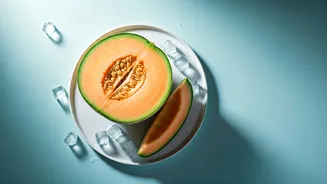
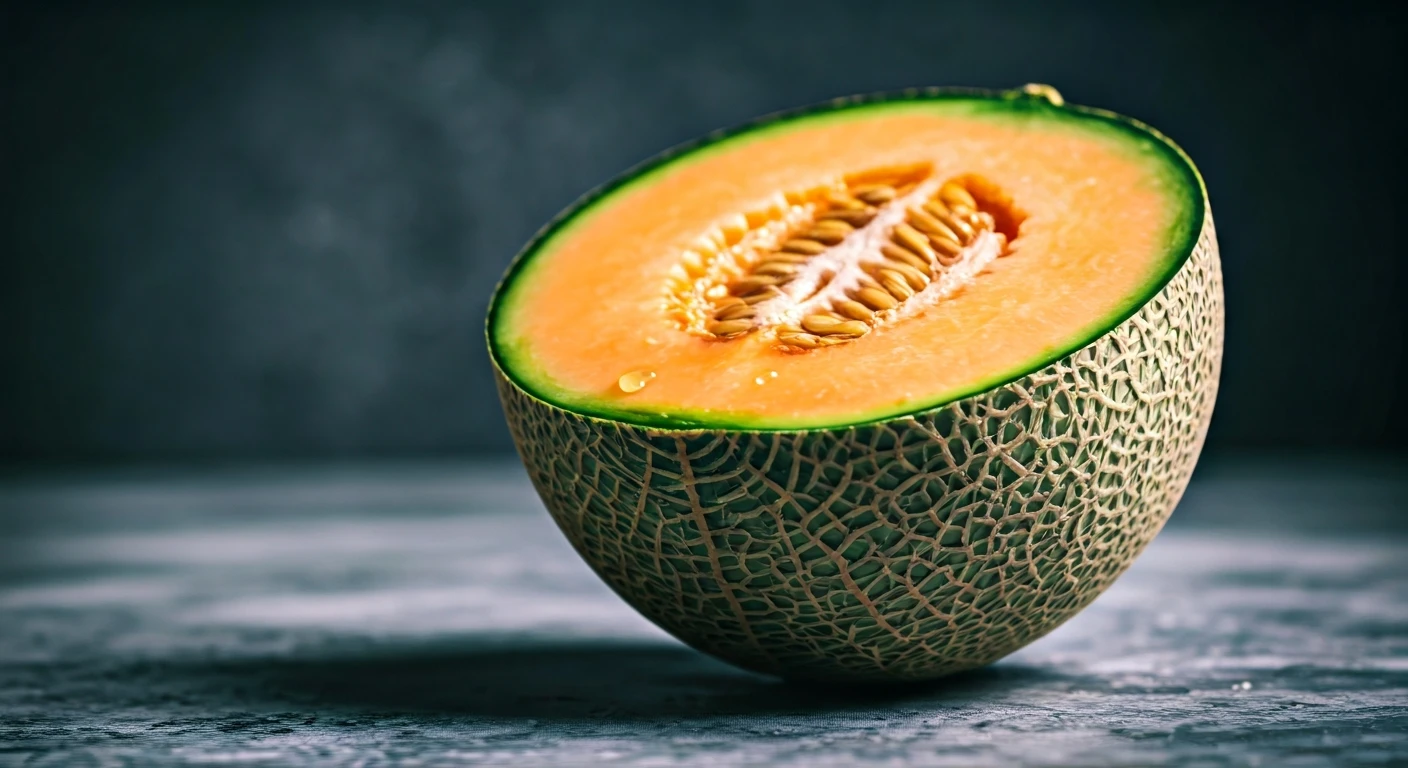
item it was on your counter. It becomes what food safety experts call a TCS food, meaning it needs Time and Temperature Control for Safety. Without refrigeration, that beautifully cut cantaloupe or watermelon becomes a perfect petri dish for bacteria. The culprit is the 'temperature danger zone'—a range between 41°F and 135°F where bacteria like Salmonella, Listeria, and E. coli can multiply rapidly. Your backpack, tote bag, or car cup holder is prime real estate in this zone.
Why Cut Fruit Is So Different
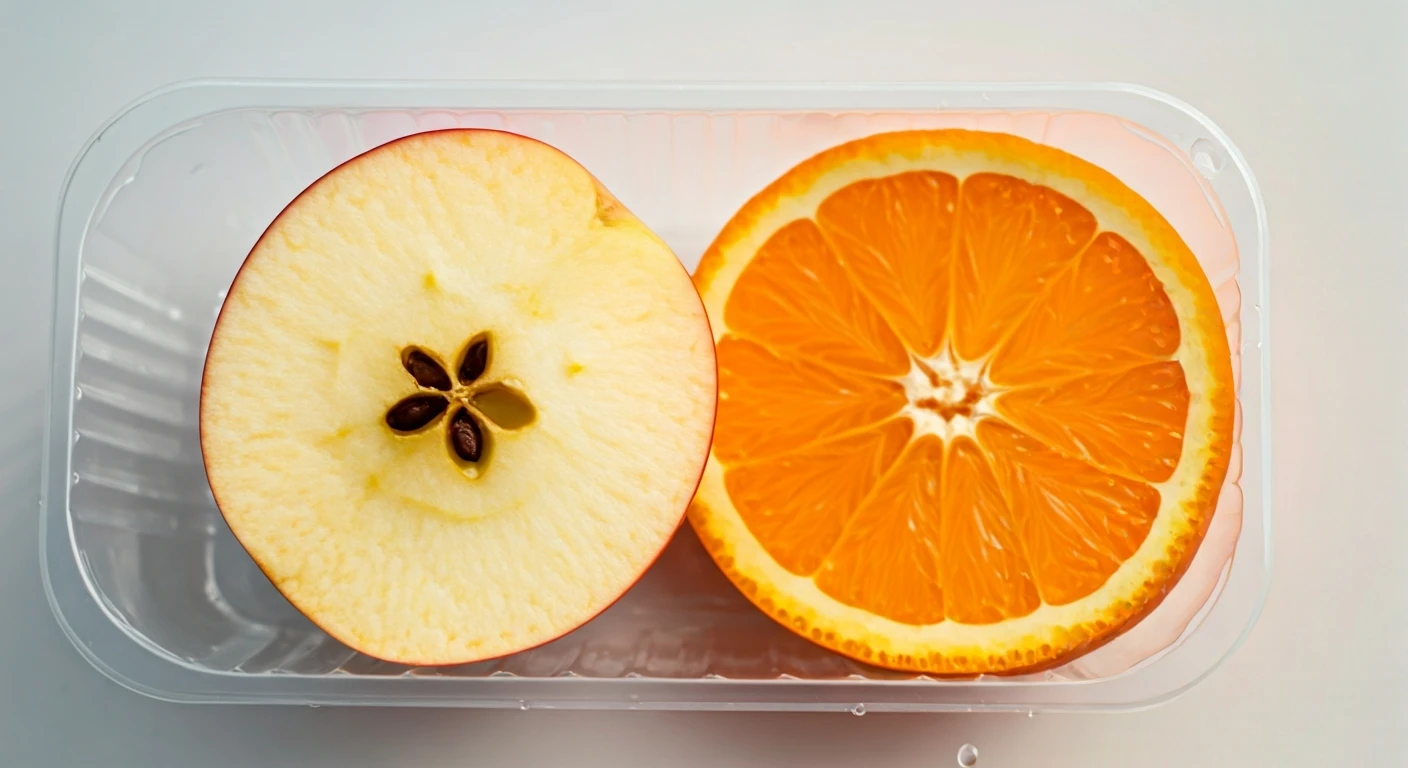
An apple or an orange is a marvel of natural packaging. Its peel provides a formidable barrier against contaminants. But the moment a knife breaks that skin, the game changes. First, any bacteria lingering on the rind (from the soil, handling, or your kitchen counter) can be transferred directly to the sterile flesh inside. Second, the sweet, moist, and often low-acid interior of fruits like melon, mango, and kiwi is an ideal environment for those bacteria to thrive. Cut melons are particularly notorious. Their high water content and neutral pH offer microbes everything they need for a population boom. A whole cantaloupe can sit on your counter for days, but a container of cut cantaloupe needs to be treated with the same caution as potato salad or raw chicken.
When Travel Days Break the Two-Hour Rule
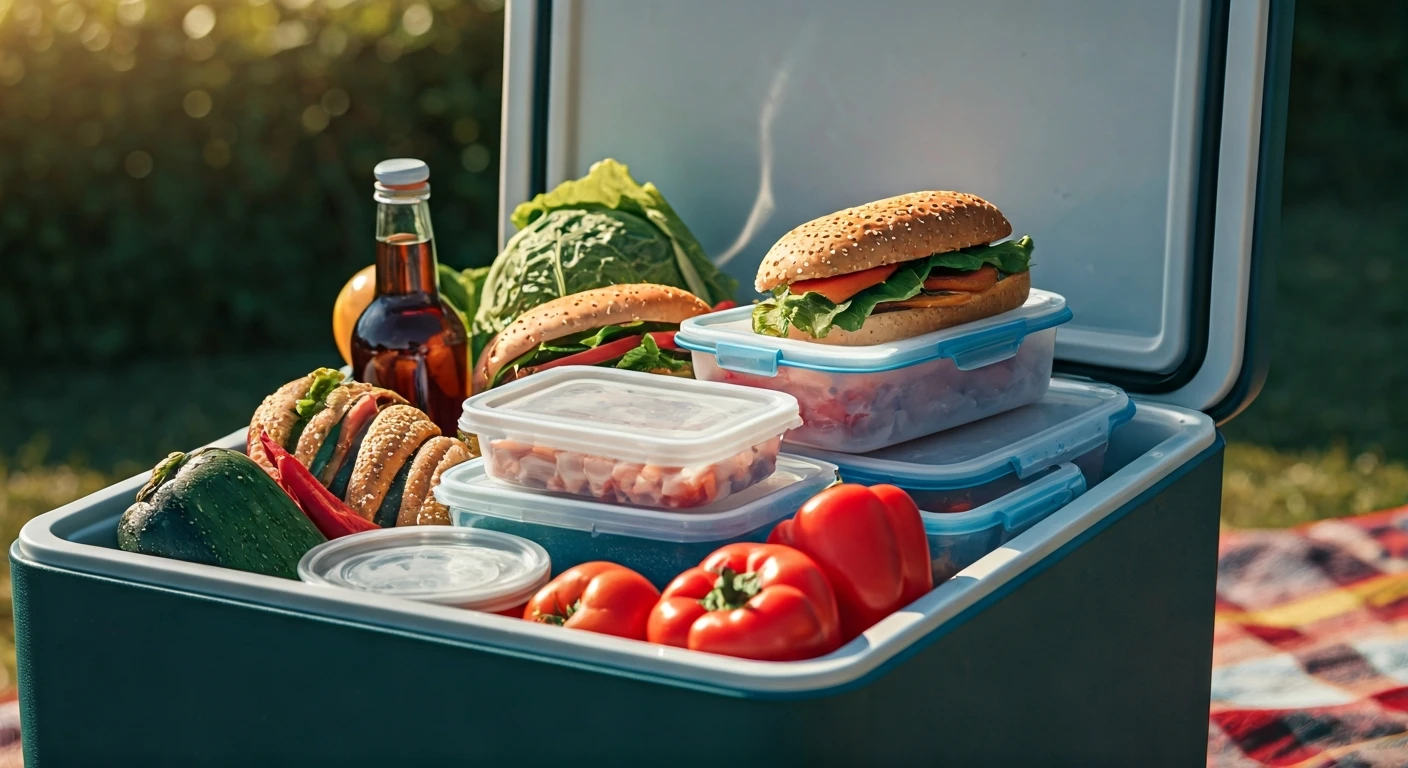
The golden rule of food safety is simple: perishable foods shouldn’t be left in the temperature danger zone for more than two hours (or just one hour if the ambient temperature is above 90°F). Now, think about a typical travel day. You might cut your fruit at 7 a.m. before leaving for the airport. You drive, park, get through security, and wait at the gate. Maybe your flight is delayed. By the time you’re in the air and ready for a snack, it’s easily been three or four hours. The ice pack you optimistically threw in your bag is now just a lukewarm pouch of water. For road trips, that container might sit in a hot car during a rest stop. Travel days are, by their very nature, unpredictable and almost guaranteed to violate the two-hour rule, turning your healthy intention into a potential gastrointestinal disaster.
Smarter, Safer Travel Snack Swaps
This doesn’t mean you have to resort to a bag of chips. The key is to choose snacks that are naturally travel-proof. Think of it as choosing low-maintenance companions for your journey.
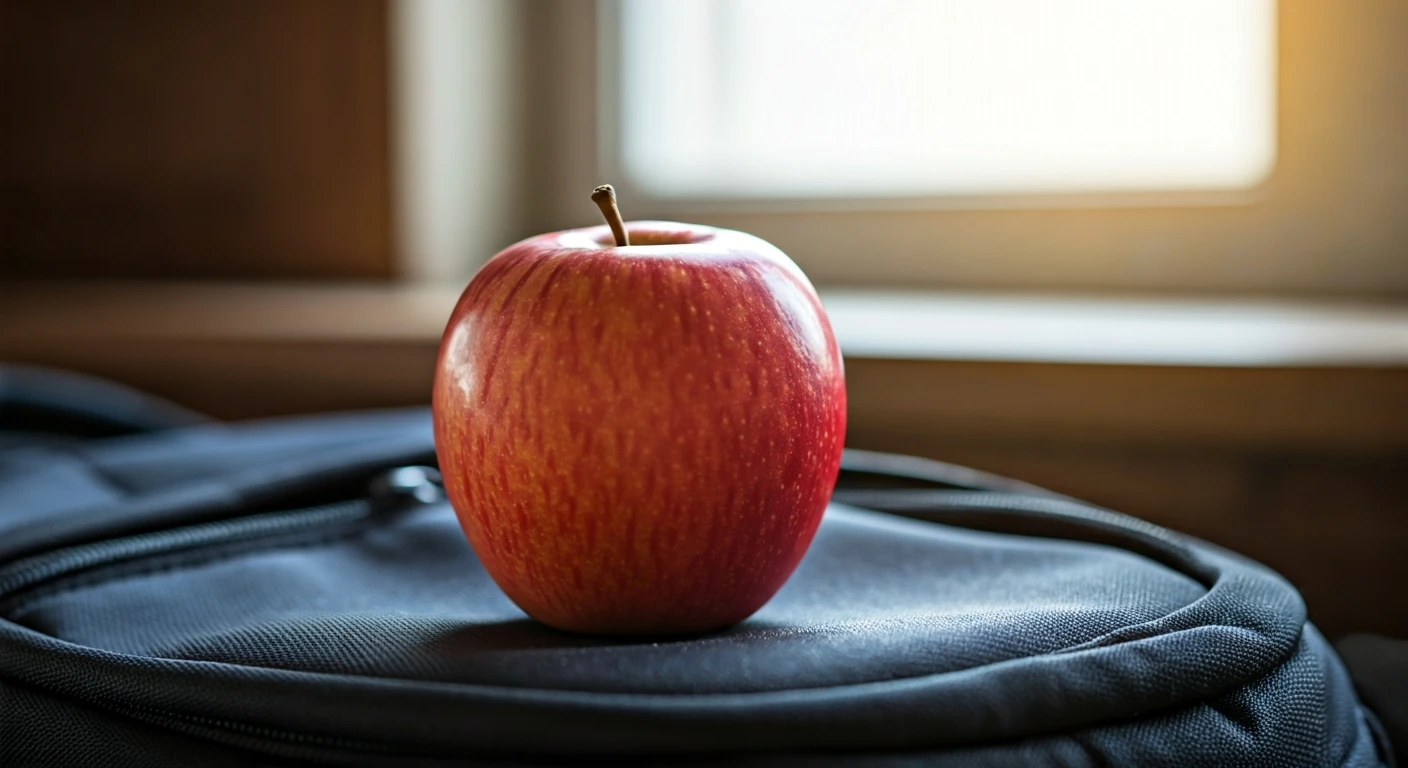
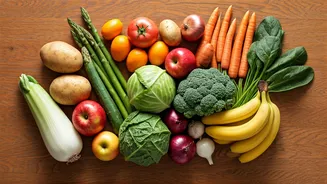
* **Whole Fruits:** The original and best single-serving snack. Apples, bananas, and oranges come in their own sturdy, natural packaging. They require no refrigeration and can handle being jostled in a bag.
* **Dried and Freeze-Dried Fruit:** Get all the sweetness and fiber without the food safety risk. Raisins, dried apricots, mango slices, and crunchy freeze-dried strawberries are lightweight and need zero care.
* **Nuts and Seeds:** Almonds, walnuts, pistachios, and sunflower seeds are packed with protein and healthy fats to keep you full. Opt for unsalted versions to stay hydrated.
* **Granola or Protein Bars:** The ultimate grab-and-go snack. Read the label to find one that’s low in added sugar and high in fiber and protein.
* **Hard Cheeses and Whole-Grain Crackers:** A stick of string cheese or a small block of cheddar will hold up better than soft cheeses and offers a savory alternative.