



An Entire Nation's Sweet Obsession
Forget the Super Bowl or the frenzy of a new iPhone release. Imagine an entire country of 1.4 billion people collectively losing its mind over a piece of fruit for three to four months straight. That is the reality of mango season in India. From late
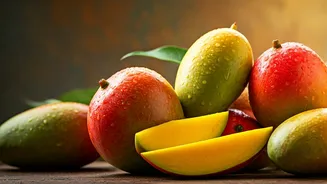
March through July, the mango ceases to be mere produce; it becomes the protagonist of a national story. Newspapers announce the arrival of the first crop. Family WhatsApp groups buzz with photos of the season’s first purchase. Arguments erupt over which regional variety is superior. The mango is not just eaten; it is celebrated, debated, and revered.
The Mango You Know (Isn't the Mango They Know)
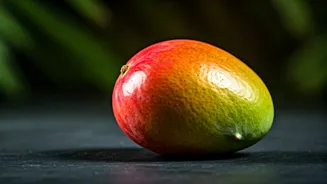
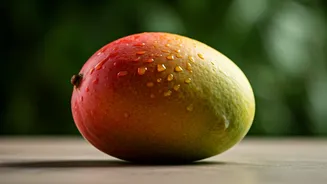
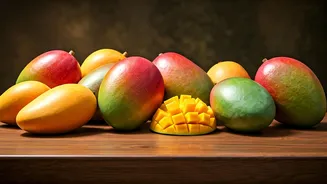
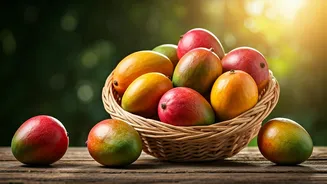
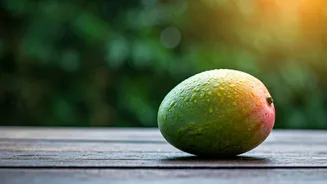
For most Americans, a mango is a mango: a large, reddish-green, vaguely oval fruit available year-round at the supermarket. This is typically the Tommy Atkins variety, a durable Floridian cultivar bred specifically to withstand the rigors of long-distance shipping. It’s sturdy, reliable, and often, texturally fibrous and disappointingly bland. Now, erase that image from your mind. India is home to over 1,500 varieties of mangoes, each with a distinct name, shape, size, color, and, most importantly, a unique flavor profile. These are thin-skinned, delicate fruits bred for centuries not for travel, but for taste. They don't have the shelf life to cross oceans, which is precisely why their arrival is such a precious, fleeting event. The experience is one of hyper-seasonality, a concept largely foreign in the modern American grocery store.
Meet the King: Alphonso and Its Court
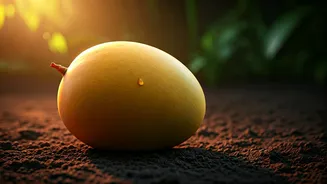
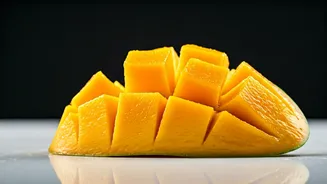
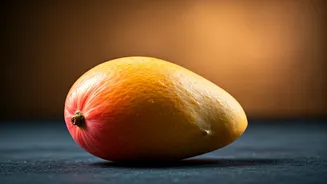
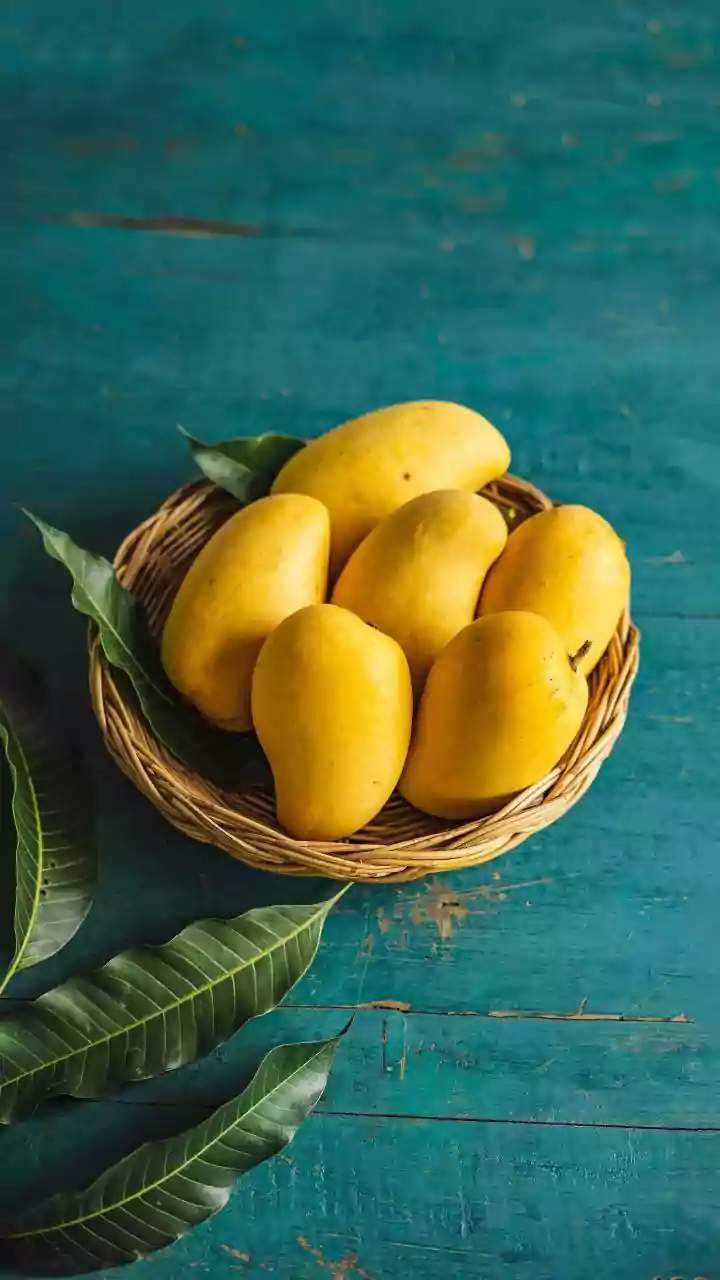
At the top of the mango hierarchy sits the undisputed king: the Alphonso, or ‘Hapus.’ Grown primarily in the western states of Maharashtra and Gujarat, this saffron-hued mango is a revelation. It has no fibrousness at all; the flesh is buttery and dense, melting in your mouth. The flavor is a complex symphony of sweet honey, citrusy tang, and a rich, perfumed aroma that can fill a room. A single box of premium Alphonsos is a coveted gift, a symbol of respect and affection. But the king doesn't rule alone. There’s the ‘Gir Kesar’ from Gujarat, known for its intense sweetness and bright orange pulp, often called the “Queen of Mangoes.” From the north comes the greenish, sweet-and-sour ‘Dasheri,’ and the south offers the voluptuous ‘Banganapalli.’ Each region has its champion, and every family has its favorite.
A Season of Ritual and Commerce
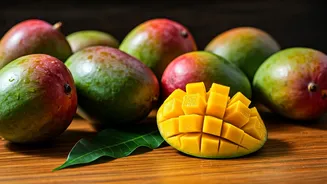
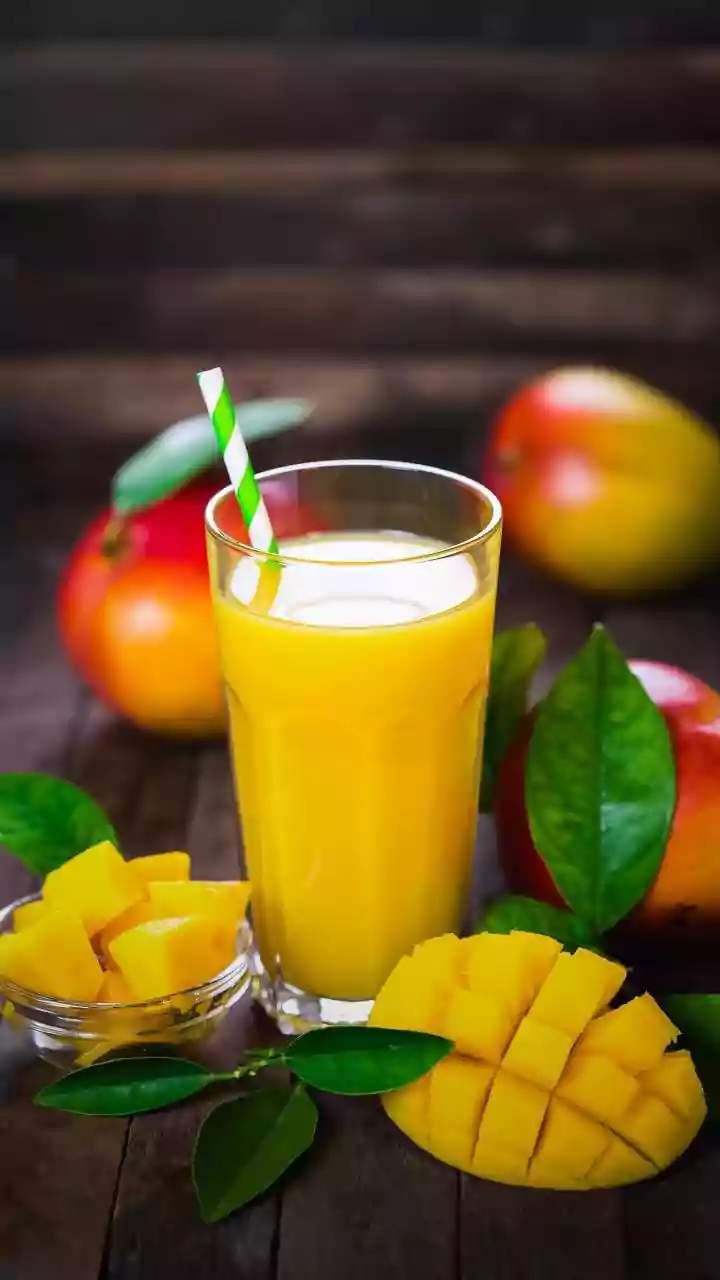
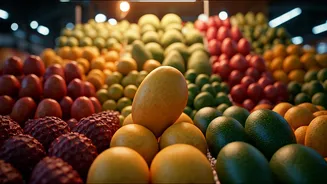
The cultural rituals surrounding mango season are as rich as the fruit itself. The first mango of the season is often eaten with a certain ceremony. Families host “mango parties,” where guests gather to do nothing but feast on buckets of chilled mangoes. Street vendors, or ‘thelawallas,’ artfully stack pyramids of colorful fruit, their cries a signature sound of the Indian summer. It’s also a massive economic driver, with a complex supply chain of farmers, brokers, and sellers all working in a frenzy. For these few months, the mango is not just food; it’s a currency of joy, a source of livelihood, and the sweet, sticky centerpiece of social life. Children are given free rein to get messy, their faces and shirts stained yellow in what is seen as a rite of summer.