





Meet the Unlikely Menu Hero
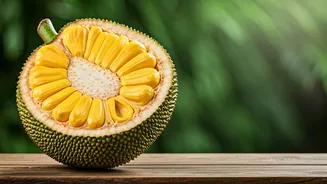
First, let's get acquainted. Jackfruit is a species of tree in the fig and mulberry family native to South and Southeast Asia. It produces the largest fruit of any tree, with some weighing up to 100 pounds. For centuries, it's been a staple ingredient
in the cuisines of India, Sri Lanka, Thailand, and Indonesia. But what makes it so special is its dual identity. When ripe, the fruit's pods are sweet, fragrant, and taste like a blend of mango, banana, and pineapple. When it's harvested young and green, however, the flesh is neutral in flavor and has a firm, fibrous, and remarkably meat-like texture. It’s this unripe version that has captured the attention of Western chefs and food innovators looking for the next great plant-based solution.
The Gen Z Plant-Based Play
The rise of jackfruit isn’t happening in a vacuum; it’s being fueled by the powerful engine of Gen Z's dining preferences. This is a generation that prioritizes sustainability, embraces global flavors, and is more willing to experiment with plant-based eating than any before it. While previous generations had to be convinced to try a veggie burger, many Gen Z diners actively seek out menus with compelling, creative meat-free dishes. They’re not just looking for a sad salad or a portobello mushroom cap. They want texture, flavor, and a sense of culinary adventure. Jackfruit ticks all these boxes. It’s perceived as a natural, whole-food alternative to highly processed plant-based meats, and its international roots give it an air of authenticity and discovery that resonates with a globally-connected cohort.
The Ultimate Texture Takeover
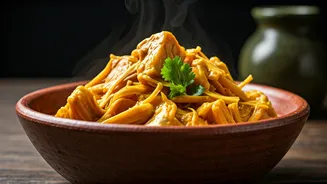
The secret to jackfruit’s success lies in its texture. When cooked, young jackfruit can be shredded, pulled, and chunked, making it an almost perfect mimic for pulled pork, shredded chicken, or braised beef. Unlike tofu, which can be soft, or seitan, which can be dense, jackfruit offers a satisfying, stringy chew. This textural magic allows it to seamlessly substitute for meat in tacos, sandwiches, and, most effectively, curries. It’s a blank canvas that readily absorbs the flavors of whatever sauce or spice blend it's cooked in. It doesn't try to be meat, but it performs the same function in a dish—providing heft, texture, and a vehicle for flavor—without the environmental or ethical concerns associated with animal protein.
Why Curry Is Its Killer App
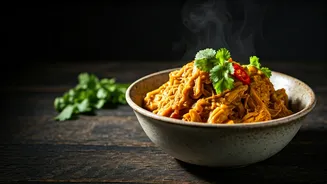
So, why are we seeing jackfruit *curries* specifically? Because it’s a perfect pairing. A rich, aromatic curry—whether it’s a Thai red curry, an Indian massaman, or a Caribbean-style stew—provides the bold flavor that the neutral jackfruit needs to shine. The slow simmering process tenderizes the jackfruit, allowing it to soak up every drop of the coconut milk, spices, and herbs. The result is a dish that is deeply satisfying and complex. It doesn’t feel like a compromise or a “vegan version” of something else; it feels like a dish that was always meant to be. The curry format delivers on comfort, flavor, and a sense of wholesome nourishment, making it an ideal entry point for anyone curious about this versatile fruit.