

From ‘Bleisure’ to Blended Living
For years, the buzzword was ‘bleisure’—tacking a few vacation days onto the end of a work trip. But what we’re seeing now is a much deeper integration. This isn’t about separating work and play into neat little boxes; it’s about blurring the lines entirely.
The new model sees the entire trip, including the workdays, as an opportunity for a better quality of life. Think of it as Bleisure 2.0. Instead of just a whirlwind tour of conference rooms, professionals are choosing longer stays in apartment-style hotels, scheduling lighter meeting loads to explore a city’s culture, and prioritizing properties that offer wellness amenities like yoga studios, spas, and access to nature. The trip itself becomes a restorative experience, not a draining obligation.
The Post-Pandemic Mindset Shift
This evolution is a direct result of the massive workplace shifts of the past few years. After an extended period of remote work, employees have proven they can be productive outside the traditional office. This has given them leverage. Top talent now demands more flexibility, autonomy, and a better work-life balance—and that extends to business travel. The burnout crisis has also made companies rethink the relentless pace they once demanded of their road warriors. They recognize that a rested, mentally healthy employee is a more effective and innovative one. As a result, travel policies are becoming more lenient, allowing for longer stays, direct flights at reasonable hours, and budgets that accommodate a more comfortable, less stressful experience.
What Slow Business Travel Looks Like
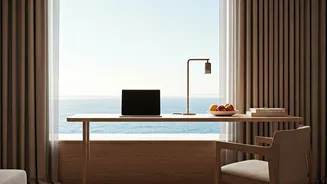
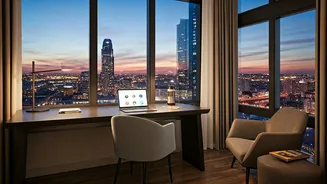
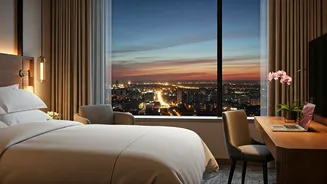
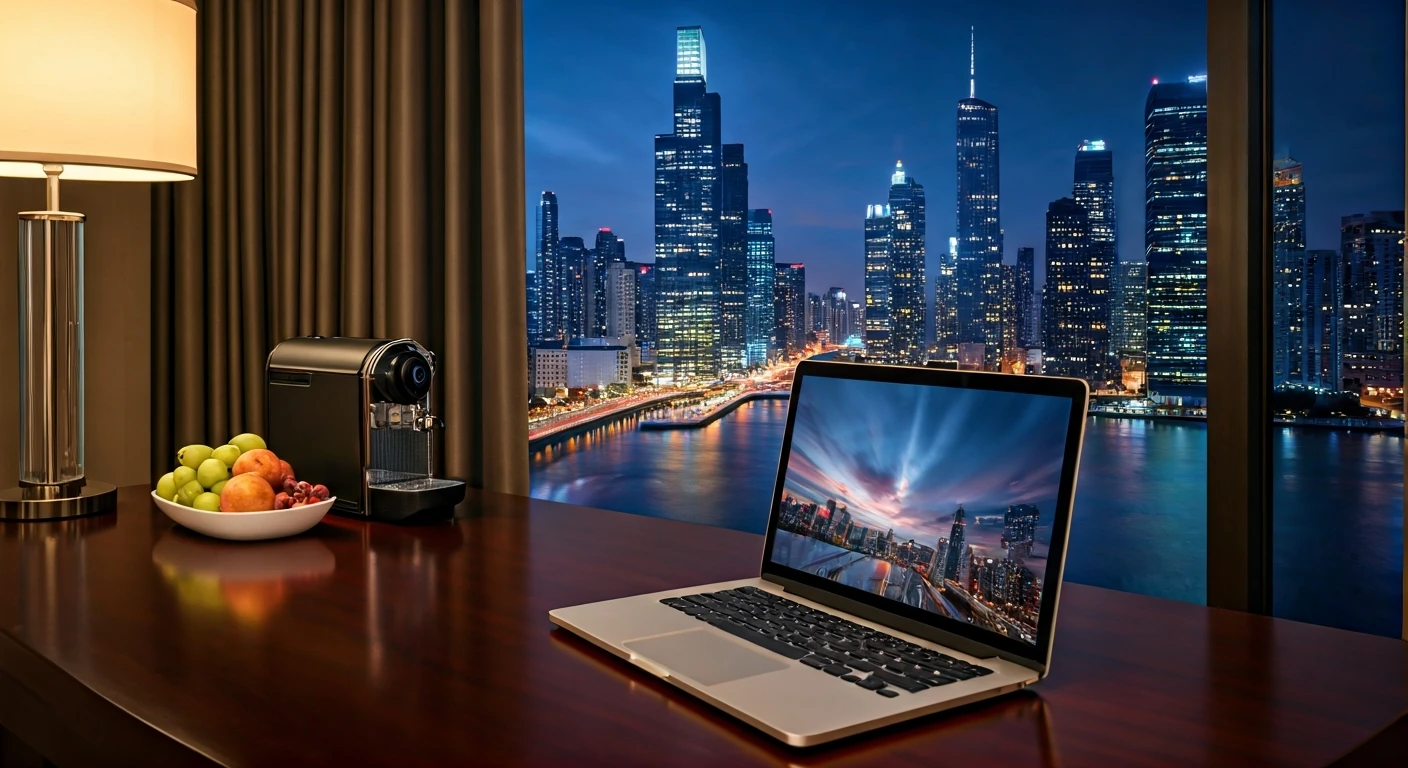
The hospitality industry is rapidly adapting to cater to this new ‘blended’ traveler. We’re seeing hotels partner with co-working companies to offer seamless office-away-from-the-office setups. High-end brands are designing ‘workation’ packages that might include an ergonomic desk setup in-room, high-speed Wi-Fi, and a complimentary evening cocktail or fitness class. The focus is on creating a holistic environment. A traveler might start their day with a guided run through a local park, spend the afternoon in focused work sessions, and then join a curated cooking class in the evening instead of having another lonely room-service dinner. It’s about replacing the sterile, generic business hotel experience with something rooted in place, wellness, and genuine human connection.
The New ROI: Retention and Recharge
For companies, embracing this trend is more than just a generous perk; it’s a strategic investment. In a competitive job market, offering a more humane and enriching approach to business travel can be a powerful tool for attracting and retaining top talent. It sends a clear message that the company values its employees’ well-being. The return on investment isn’t just measured in loyalty, but in performance. An employee who returns from a trip feeling recharged and inspired is far more valuable than one who comes back exhausted and resentful. This shift reframes the cost of a business trip, moving it from a simple travel and expense line item to an investment in human capital, creativity, and long-term productivity.