




So, What Exactly Is Kairi?
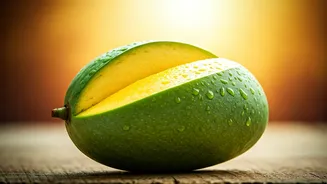
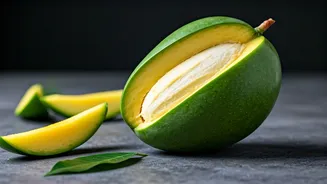
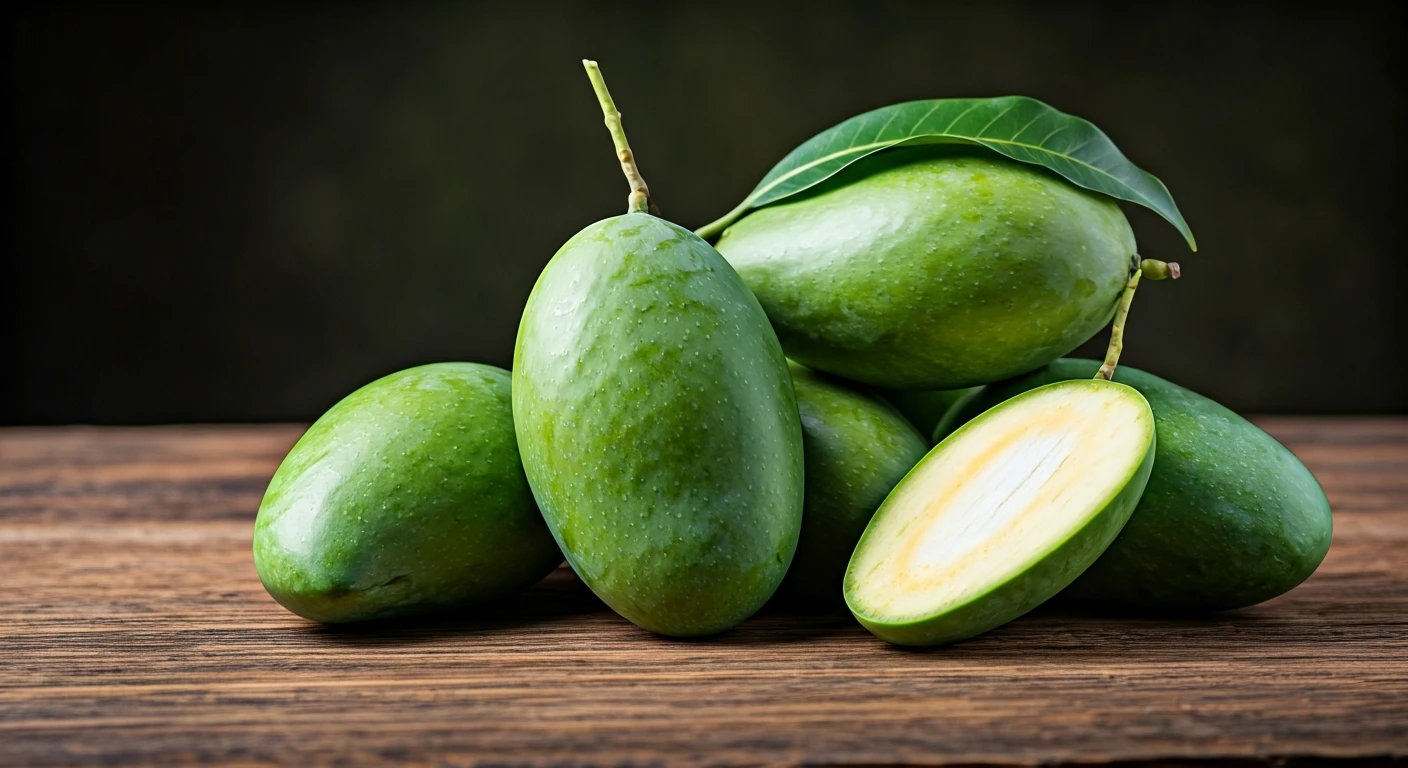
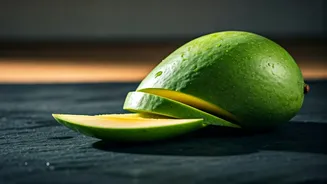
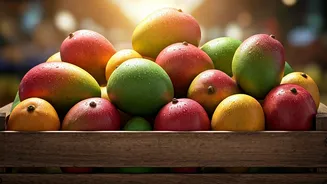
Simply put, kairi is an unripe mango. While Americans are familiar with the sweet, fragrant, and juicy ripe mango—often the Ataulfo or Tommy Atkins varieties—kairi is its polar opposite. Harvested early in the season, it’s firm, intensely sour, and bracingly
acidic, with a crisp texture that can be shredded, cubed, or grated. Think of it less as a fruit and more as a souring agent, similar to how you might use a lime, tamarind, or a tart green apple. In India, the arrival of kairi signals the true beginning of summer, a culinary tool perfectly designed by nature to cut through the oppressive heat and awaken the palate. It isn’t meant to be eaten fresh out of hand like its ripe counterpart; instead, it’s the star ingredient in a whole category of seasonal dishes designed for refreshment and flavor.
The Ultimate Summer Cooler: Aam Panna
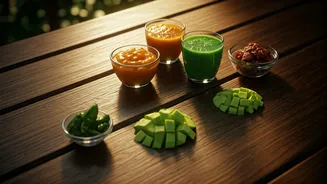
If there’s one drink that defines an Indian summer, it’s Aam Panna. This restorative beverage is the country’s answer to Gatorade, but infinitely more delicious. To make it, raw mangoes are boiled or roasted until soft. The pulp is then scraped out and blended with water, sugar (or jaggery), mint, and a pinch of roasted cumin and black salt. The result is a sweet, sour, and slightly savory drink that’s incredibly hydrating and believed to help protect against heat stroke. It’s the perfect balance of flavors, hitting every note on the tongue. Served chilled over ice, it’s a revelation—a sophisticated, complex cooler that makes standard lemonade seem one-dimensional by comparison. It’s the first and best way to understand kairi’s refreshing power.
A Jolt of Flavor for Curries and Dals
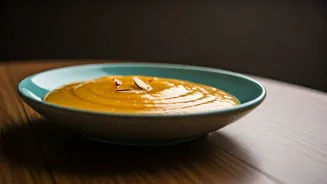
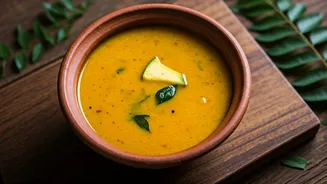
Beyond drinks, kairi’s primary role is to add a bright, tangy undertone to savory dishes. During summer, heavy, rich meals can feel overwhelming. Adding chunks of raw mango to a simple lentil soup (dal) transforms it completely. As the kairi cooks, it softens and infuses the dal with a clean, sour flavor that lifts the entire dish. This is a common practice across India, where ‘kairi dal’ or ‘manga curry’ becomes a staple on lunch menus. The same principle applies to fish curries in coastal regions, where the sourness of the mango balances the richness of coconut milk and the strong flavor of the seafood. It works as a natural tenderizer for meats and provides a vibrant counterpoint that cuts through fat, making summer meals feel lighter and more exciting.
The Instant 'Quick Pickle'
While long-fermented mango pickle (achaar) is a pantry institution in India, kairi is perfect for making instant chutneys and quick pickles that can be prepared in minutes. One of the simplest and most satisfying ways to use it is to create a fresh relish. Just peel and finely chop or grate the raw mango, then toss it with salt, red chili powder, and a pinch of turmeric. Some variations add a tempering of hot oil with mustard seeds and asafoetida. This instant ‘pickle’ is a flavor bomb that can be served alongside literally anything: grilled chicken, steamed rice and yogurt, flatbreads, or even as a topping for a simple avocado toast. It provides texture, crunch, and a powerful burst of sour and spicy flavor that elevates a simple meal into something memorable.
Finding and Using Kairi at Home
Ready to experiment? You can find raw green mangoes at most Indian or Asian grocery stores during the spring and summer months. Look for fruits that are uniformly green, rock-hard to the touch, and free of soft spots. They should feel heavy for their size. Store them in the refrigerator, where they will stay firm and sour for a week or two. If left at room temperature, they will slowly begin to ripen. If you can't find kairi, the best substitute is an extremely tart green apple, like a Granny Smith, though it will lack the unique resinous note of a true raw mango. Use it to make a batch of Aam Panna concentrate to keep in your fridge, or simply grate some into your next salad dressing for an unexpected, vibrant kick.