

The Great Outdoors Beckons Louder
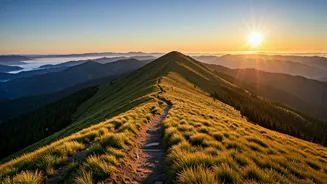
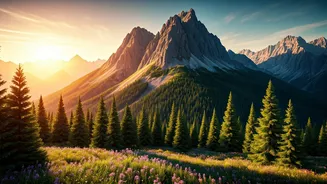
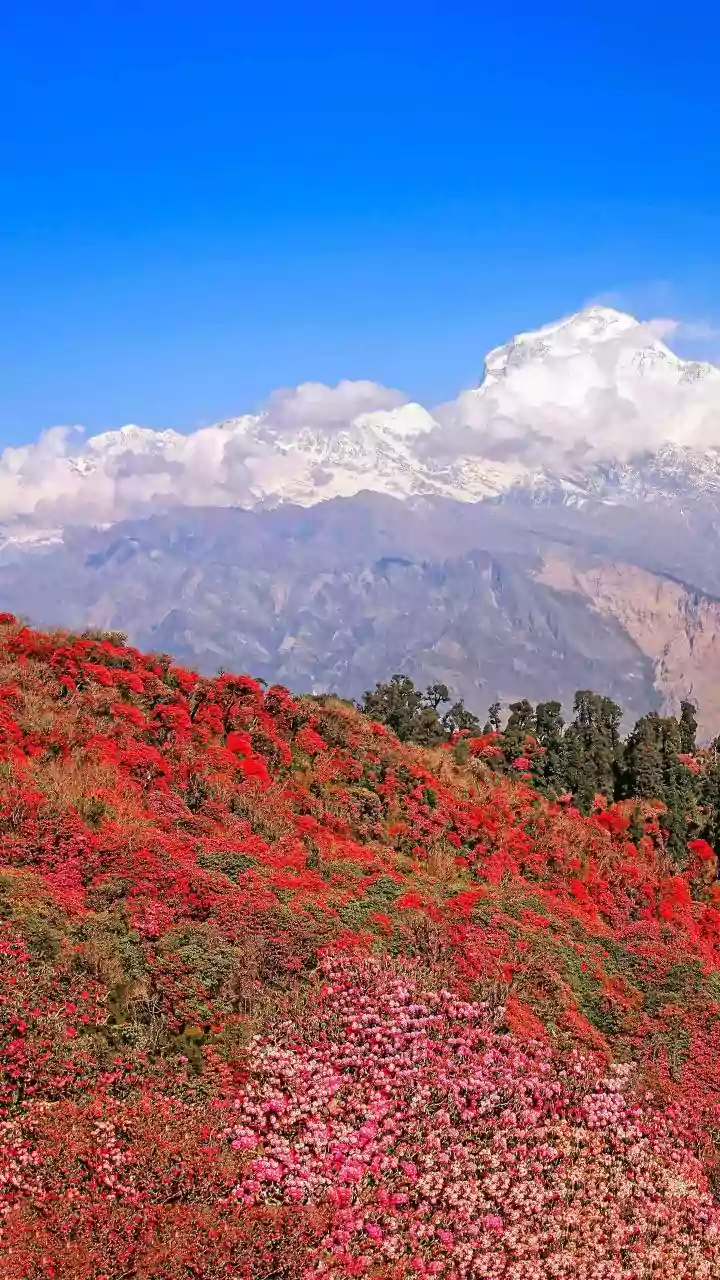
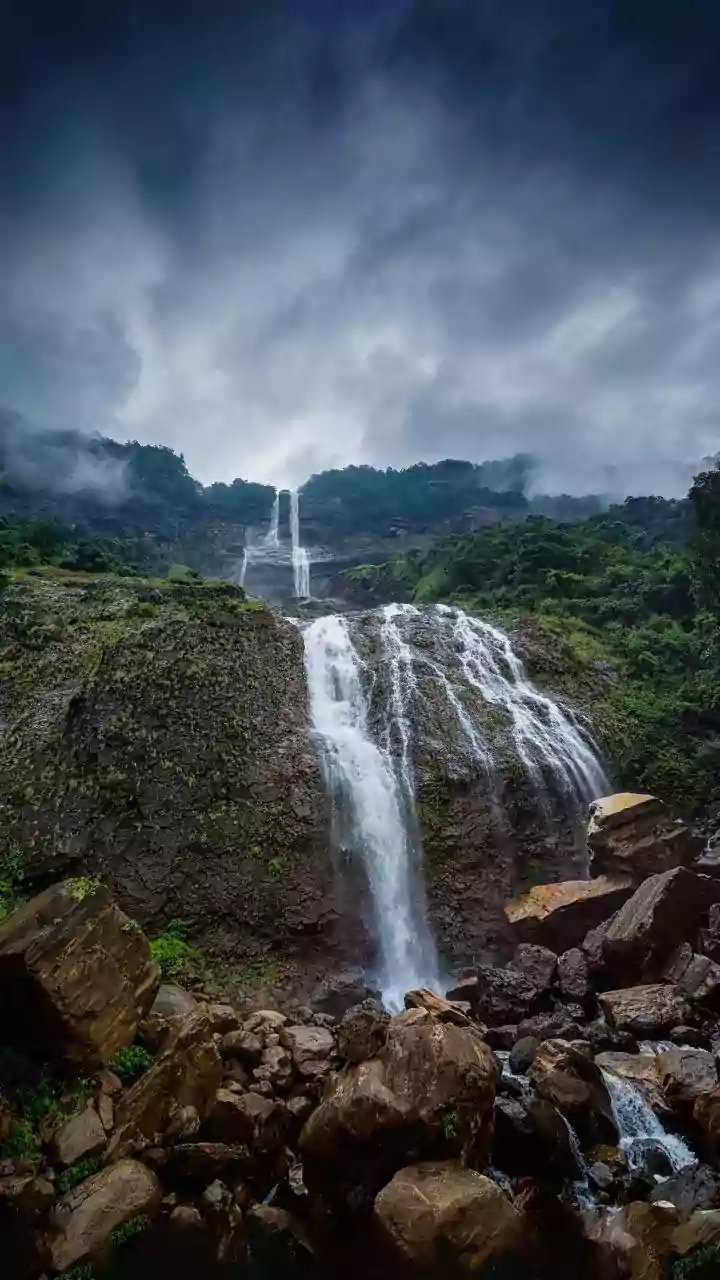
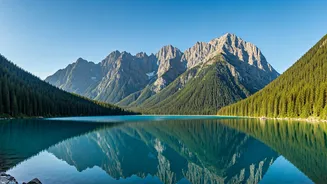
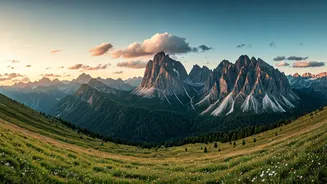
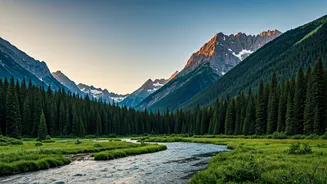
The simplest explanation is often the most powerful: Americans have fallen back in love with nature. After years of pandemic-era restrictions and increased screen time, the desire for open spaces, fresh air, and physical activity has become a dominant
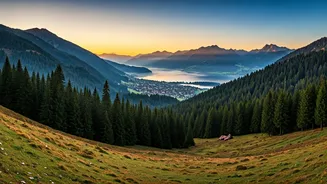
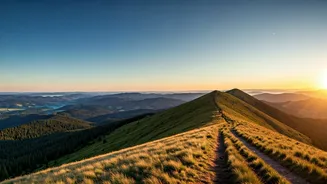
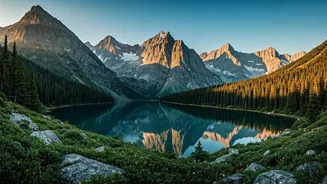
driver of travel decisions. Mountain towns, from the Blue Ridge to the Sierra Nevada, are the perfect answer to this call. They offer a tangible escape from the concrete and crowds of urban life. Unlike a beach vacation, which often still involves dense crowds, a mountain getaway promises hiking trails, scenic overlooks, and a sense of restorative solitude. This psychological shift has re-prioritized wellness and nature-based experiences, turning destinations like Asheville, North Carolina, and Park City, Utah, from niche ski resorts or arts hubs into year-round magnets for those seeking a reset.
The Work-From-Anywhere Revolution
The single biggest structural change fueling the mountain town boom is the remote work revolution. Before 2020, a trip to a place like Jackson Hole, Wyoming, was typically a week-long vacation. Now, for millions of Americans with flexible jobs, it can be a month-long 'workcation.' Untethered from a daily commute, professionals can rent a cabin or an Airbnb for an extended period, blending workdays with evening hikes and weekend adventures. This doesn't just increase the number of visitors; it fundamentally changes booking patterns. It drives up demand for longer-term stays, puts pressure on local housing, and fills restaurants and shops on weekdays, not just weekends. The ability to log into a Zoom call with a mountain view in the background has transformed these towns from seasonal vacation spots into viable, temporary home bases.
An Escape from Record Heat
This June, a new and urgent factor came into play: extreme heat. As punishing heat domes settled over large swaths of the South, Midwest, and Southwest, sending temperatures soaring past 100 degrees, the appeal of a cool mountain breeze became undeniable. This isn't just about comfort; it's a form of climate-driven travel. Searching for a destination where the daytime high is a pleasant 75 degrees is a powerful motivator. Online searches for 'cool weather vacations' surged, and booking data reflects a clear migration from hotter states to higher altitudes. Towns in Colorado, Vermont, and the Pacific Northwest have become temporary 'climate refuges' for those desperate to escape relentless and dangerous heat, making the seasonal appeal of mountain air more potent than ever.
The New 'Revenge Travel' Is Domestic
Last year, 'revenge travel' meant dusting off the passport for a grand, international adventure to make up for lost time. This year, the trend is evolving. Many travelers are now experiencing fatigue from the chaos of crowded airports, fluctuating international flight costs, and over-packed European capitals. The new wave of travel is more focused on slower, more restorative, and often domestic experiences. A trip to a charming town in the Adirondacks or a scenic drive through Colorado feels more manageable and less stressful. It offers the feeling of an escape without the logistical headaches of overseas travel. This pivot toward domestic tranquility benefits mountain towns, which are seen as an ideal compromise: adventurous yet accessible, remote yet comfortable.