

More Than a Meal: What Is Temple Food?
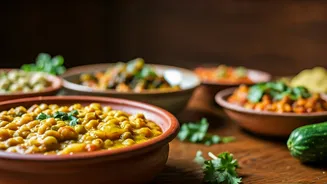
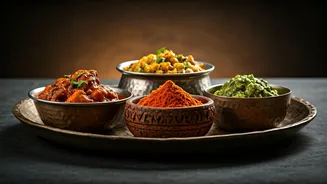
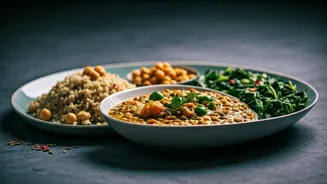
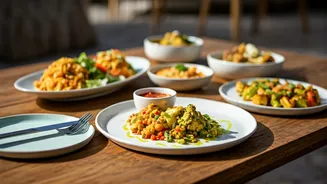
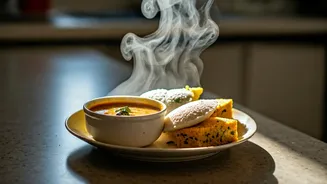
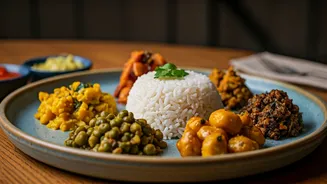
At its heart, temple food—or *prasad*—is a sacred offering. Across thousands of temples in India, specific vegetarian dishes are prepared daily with immense care and devotion, first offered to the temple's deity, and then distributed to worshippers. This
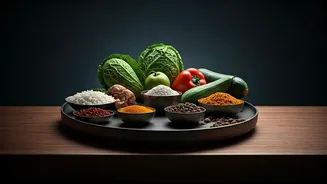
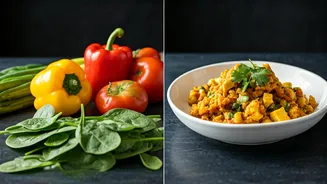
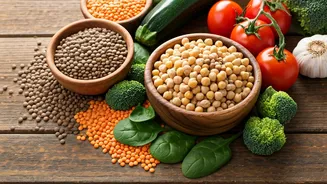
isn’t just food; it’s considered a blessing. What makes it distinct is its purity. Most temple cuisine is *sattvic*, an Ayurvedic concept meaning it promotes clarity and tranquility. This typically means no onions, garlic, or overly strong spices, relying instead on fresh, local ingredients, ghee (clarified butter), and subtle, aromatic seasonings like ginger, cumin, and cardamom. From the legendary sweet *laddu* at the Tirupati Balaji Temple to the elaborate 56-dish *mahaprasad* at the Jagannath Temple in Puri, which is cooked in earthen pots over a wood fire, each dish tells a story of region, ritual, and reverence.
The Search for Deeper Authenticity
For years, the American understanding of Indian food was limited to a handful of North Indian dishes. But diners are growing more sophisticated. The same impulse that has us seeking out single-origin coffee from a specific Colombian farm or learning the difference between Oaxacan and Jalisco mezcal is now being applied to Indian cuisine. Food lovers no longer just want “curry”; they want the fish curry specific to Kerala's backwaters or the lentil dishes of West Bengal. Temple food is the ultimate expression of this hyper-regionalism. These are recipes that have been perfected over centuries, tied inextricably to a specific place and its spiritual identity. They offer a taste of something deeply authentic and unchanged by commercial pressures, a direct line to a region’s soul.
A Perfect Match for Modern Wellness
The principles of temple food align seamlessly with today’s biggest wellness trends. It is inherently plant-based, clean, and mindfully prepared. The *sattvic* nature of the food, designed to be easily digestible and calming to the system, resonates with a growing number of Americans seeking to reduce inflammation and improve gut health. This isn't food engineered in a lab to be “healthy”; its wellness benefits are a byproduct of its spiritual purpose. In a world saturated with processed foods and complicated diets, the simplicity and purity of a meal made with just a few high-quality, natural ingredients is incredibly appealing. It taps into the desire not just to eat well, but to feel a sense of harmony and balance from our food.
From Sacred Kitchens to Social Feeds
For centuries, temple food was experienced almost exclusively by pilgrims. Today, globalization and digital media have blown the doors wide open. The Indian diaspora, now several generations deep in the U.S., is a powerful cultural engine, sharing family recipes and regional traditions with pride. Simultaneously, travel bloggers and food influencers on platforms like Instagram and TikTok are documenting their visits to Indian temples, showcasing these unique dishes to millions. A striking image of a meal served on a banana leaf or a video of a massive temple kitchen in action can generate millions of views, sparking curiosity. This digital word-of-mouth is a powerful force, creating demand and inspiring chefs in the West to explore this new culinary vocabulary.
The Rise of Spiritual Gastronomy
Ultimately, the projected trend is about more than just ingredients; it's about intention. We are increasingly looking for meaning in what we consume. Temple food offers a story and a sense of connection that most meals lack. The idea that food can be a form of devotion, prepared with positive energy and shared as an act of grace, is a powerful antidote to the fast-paced, transactional nature of modern eating. As chefs and home cooks begin to experiment with these recipes, they aren’t just recreating a dish—they’re tapping into a philosophy. This isn’t just about eating; it’s about partaking in a tradition that nourishes both body and spirit, making it one of the most compelling food stories to watch.